
Trending
Gold Corner
Source: Newsmaker.id
Period: September 28 – October 2, 2026
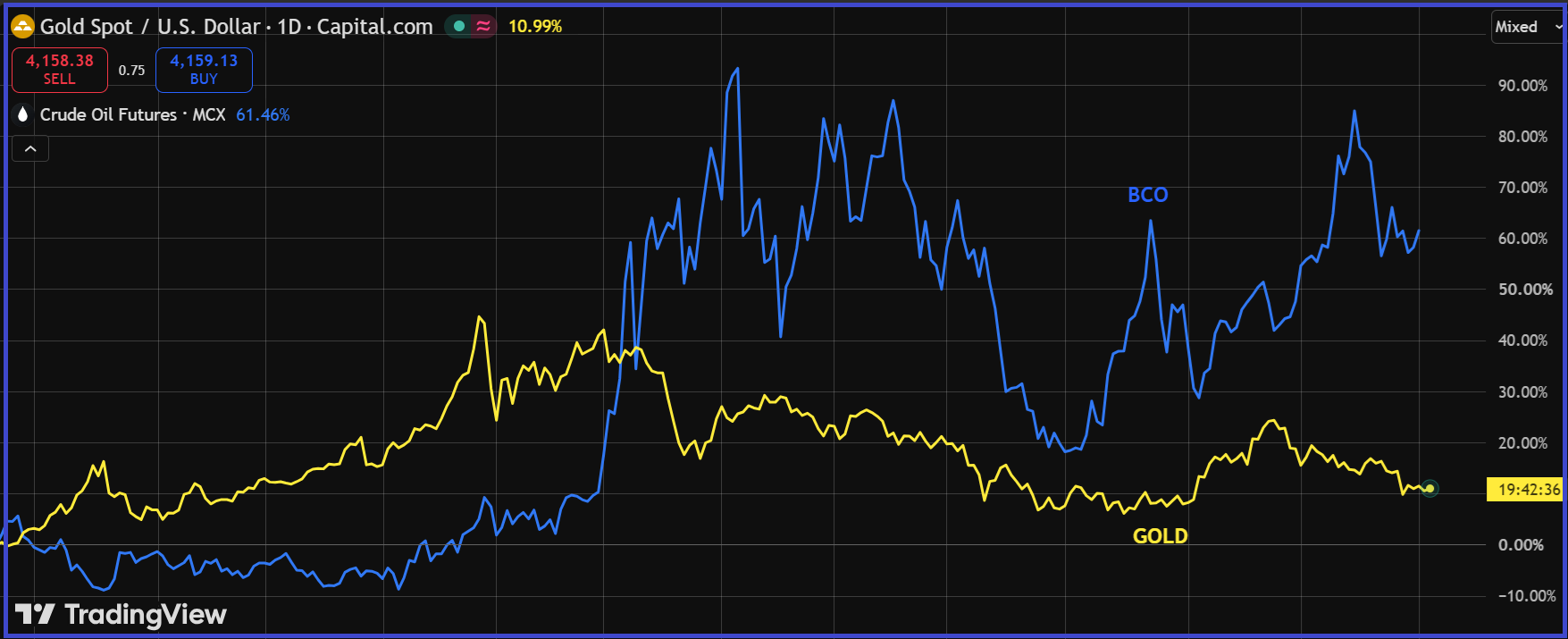
Gold prices during this period were influenced by a tug-of-war between pressure from a stronger U.S. dollar and higher Treasury yields, and support from signs of weakening U.S. economic data. At the beginning of the period, gold came under pressure as markets still believed the Federal Reserve could keep interest rates higher for longer, while elevated energy prices caused by the U.S.–Iran conflict also raised inflation concerns.
Sentiment gradually improved after economic indicators such as job openings and consumer confidence showed signs of weakness. Softer PCE inflation data also helped reduce expectations for further Fed rate hikes. However, other economic data still pointed to relatively solid conditions, while several Fed officials maintained a hawkish tone.
A sharp slowdown in Nonfarm Payrolls briefly lifted gold as markets saw a lower probability of another rate hike. However, the gains were not sustained because Treasury yields and the U.S. dollar remained strong. Overall, gold fundamentals remain relatively balanced, with the next direction likely to depend heavily on the U.S. dollar, Treasury yields, inflation, labor market data, and the Federal Reserve’s policy stance.
Global oil prices remained volatile throughout the period, with developments in the conflict and negotiations between the United States and Iran becoming the main market drivers. Tensions surrounding the reopening of the Strait of Hormuz briefly pushed oil prices higher as markets feared potential disruptions to global energy supplies.
However, oil prices later lost momentum and weakened several times as hopes for diplomatic progress increased and signs of recovering exports from the Middle East emerged. Although supply conditions began to improve, geopolitical risks continued to support a risk premium and kept volatility elevated.
Toward the end of the period, Brent crude remained at relatively high levels but came under renewed pressure as investors assessed that improving supply flows could reduce concerns over potential shortages. Overall, the direction of oil prices remains highly dependent on developments in the Middle East conflict, U.S.–Iran negotiations, conditions in the Strait of Hormuz, and the sustainability of the global supply recovery.
If gold holds above 4,100, there is still room for a rebound toward 4,200, followed by 4,300. A clear break above 4,200 would strengthen the bullish outlook.However, if gold falls below 4,100, the price could extend its decline toward 4,000. If 4,000 is also broken, bearish pressure could continue toward the 3,900 area.In simple terms: above 4,100, gold still has rebound potential; below 4,100, further downside risk increases. The main market focus this week remains on U.S. Treasury yields, the U.S. dollar, and comments from Federal Reserve officials.
For Brent crude, the key area is around 100. As long as Brent stays above 100, the upside potential remains open toward 105, followed by 108–110.
If the price fails to stay above 100 and falls below that level, Brent could correct toward 97–95. If 95 is also broken, the decline could extend toward the 90 area.
In simple terms: above 100, the bias remains bullish with targets around 105–110. Below 100, watch for a deeper correction toward 95.
From a fundamental perspective, Brent remains highly sensitive to Middle East tensions, supply risks, developments in the Strait of Hormuz, and OPEC+ decisions. As a result, price movements this week could remain highly volatile.
Note: This article is intended for analysis purposes only and should not be considered a definitive investment reference. Traders and investors should continue to monitor both fundamental and technical developments before making any investment or trading decisions.