
Trending
Gold Corner
Source: Newsmaker.id
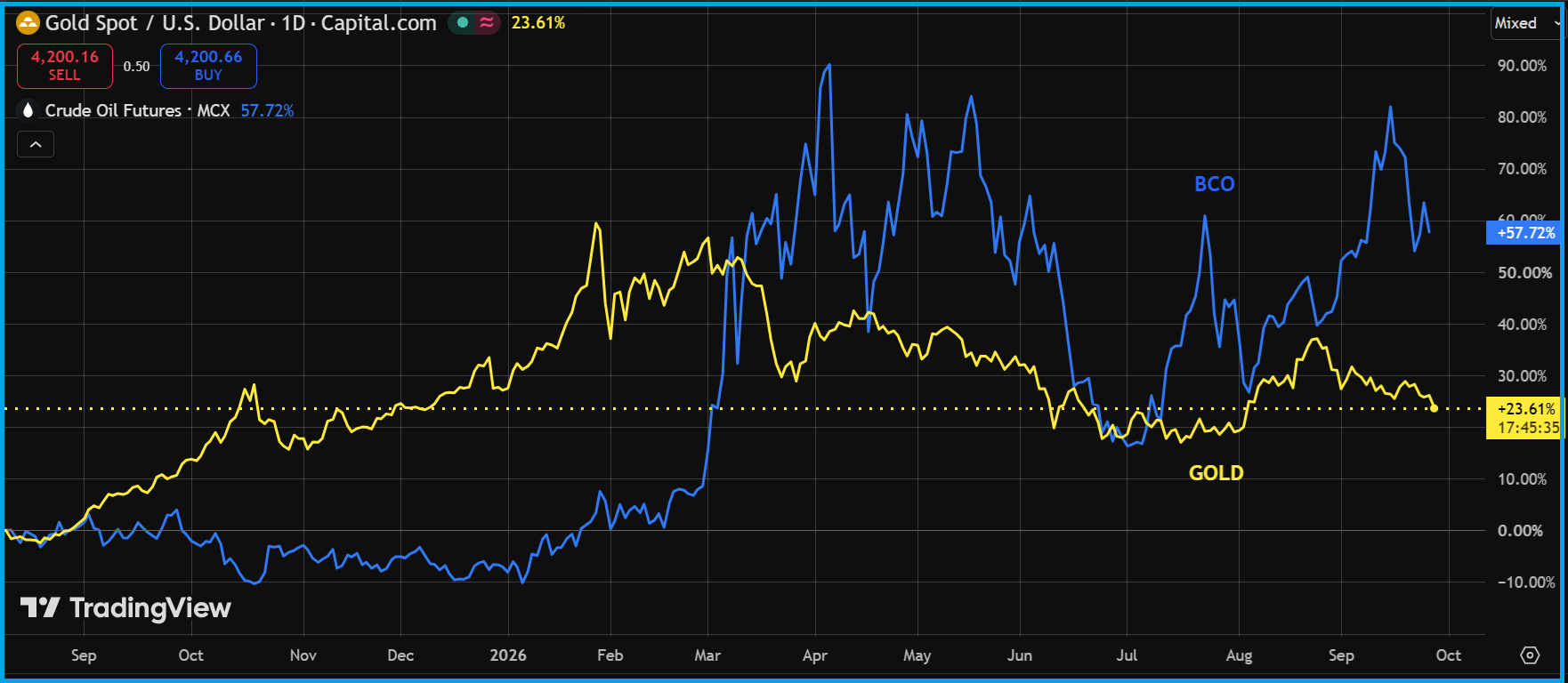
Gold prices came under pressure throughout last week due to a stronger US dollar, rising Treasury yields, and increasing market expectations that the Federal Reserve may maintain a tighter monetary policy stance. Persistent concerns over elevated US inflation led investors to anticipate the possibility of further interest rate hikes, reducing the appeal of non-yielding assets such as gold.
Meanwhile, developments in US-Iran diplomatic relations provided temporary support for gold by easing some geopolitical concerns. However, the upside remained limited as markets continued to focus on the Fed’s policy direction and stronger-than-expected US economic activity data. Toward the end of the week, gold received some support as the dollar corrected and Treasury yields eased from their highs, although the outlook for Fed policy remained the main market focus.
Meanwhile, oil prices experienced high volatility due to developments surrounding the US-Iran conflict and diplomatic efforts. Oil initially weakened as expectations of a potential resolution increased after the US showed greater openness toward negotiations and reduced the likelihood of military action against Yemen. However, uncertainty surrounding the Iran negotiations pushed oil prices higher, with prices moving above the $100 per barrel level amid concerns over potential energy supply disruptions in the Middle East.
Toward the end of the week, oil prices corrected again following indications of potential diplomatic progress and the possibility of restoring energy trade routes, including developments related to the Strait of Hormuz. Markets continue to closely monitor US-Iran negotiations, as geopolitical changes remain a key factor influencing global oil prices.
Gold prices moved lower throughout last week and closed around 4,285, declining approximately 2%. The decline occurred after gold failed to hold above the 4,600 resistance area, facing pressure from a stronger US dollar, rising Treasury yields, and expectations that US interest rates could remain elevated.
From a technical perspective, gold is currently in a correction phase. The 4,200–4,250 area becomes an important support zone. If this area holds, gold has the potential to rebound toward 4,350–4,400. However, if selling pressure increases and prices break below 4,200, gold could extend its decline toward the 4,000 area.
Going forward, markets will focus on US inflation data, particularly the Core PCE Price Index. A higher-than-expected inflation reading could put further pressure on gold by strengthening the dollar and reinforcing expectations for higher interest rates. Conversely, easing inflation could provide room for gold prices to recover.
Meanwhile, Brent crude oil moved in a volatile range throughout the week as markets remained focused on Middle East geopolitical developments and US-Iran negotiations. Oil prices gained at times due to concerns over potential supply disruptions but later corrected as hopes for diplomatic progress emerged.
Technically, Brent remains in a correction phase after its previous rally from the 70–75 area toward 108. The 95–97 area is currently an important support zone. If this level holds, oil prices could rebound and retest the 100–103 area. However, a break below 95 could open the possibility of further declines toward 90–92.
Going forward, oil price movements will continue to be influenced by geopolitical risks, global supply conditions, and the strength of global energy demand.
Note: This article is for analytical purposes only and should not be considered a definitive reference. Always consider fundamental and technical developments in the market before making any investment decisions.