
Trending
Gold Corner
Source: Newsmaker.id
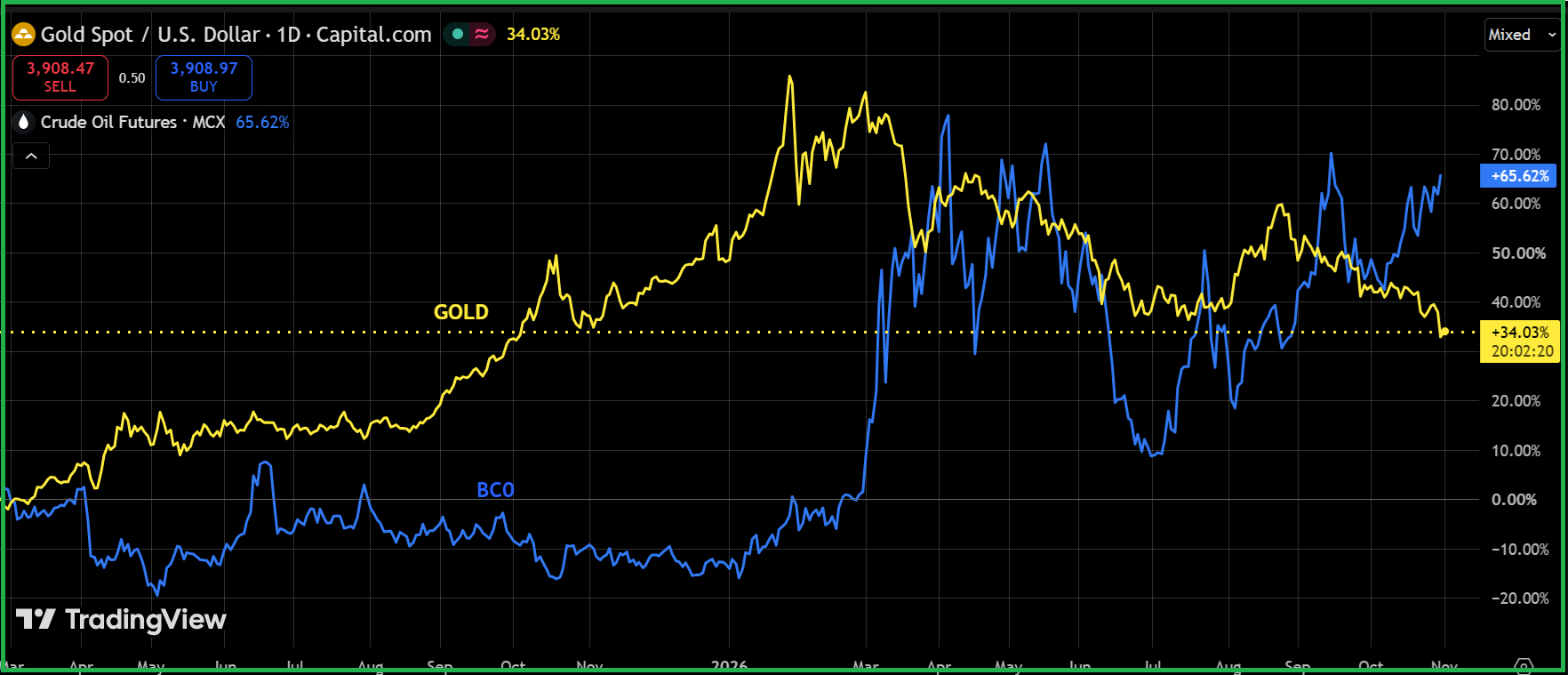
Gold began the week with a recovery, supported by lower oil prices, easing inflation concerns, and hopes for US-Iran diplomacy. However, gains faded after the Federal Reserve held interest rates while maintaining a hawkish stance. Strong US economic growth and persistent PCE inflation reinforced expectations of a December rate hike. Selling pressure intensified amid a global technology stock selloff and market liquidations, pushing gold to its lowest level since October 2025. Overall, gold's outlook turned increasingly bearish, with investors focusing on Fed policy, US dollar movements, Treasury yields, and whether gold can reclaim the key psychological level of $4,000.Gold Weekly Outlook: Bearish Pressure Remains Dominant
Gold (XAU/USD) – Weekly Technical Outlook | November 2–6, 2026
Gold (XAU/USD) continues to show a bearish bias on the daily chart heading into the trading week of November 2–6, 2026. Following a sharp decline from its previous highs, gold has consistently formed a pattern of lower highs and lower lows, reflecting persistent selling pressure. The previous close around $3,873 per troy ounce suggests that gold remains in a corrective phase, although a technical rebound is still possible after the recent steep losses.
Looking ahead, gold could experience a short-term rebound if it manages to hold the key support zone between $3,870 and $3,850. Any recovery may push prices toward the nearest resistance area of $3,950–$4,000. However, unless gold breaks above and sustains its position beyond these resistance levels, upward movements may remain temporary within the broader downtrend. Conversely, a decisive break below $3,850 could trigger further selling pressure, potentially driving prices toward $3,800 and $3,750 per troy ounce.
Overall, gold's outlook for the week remains bearish, with limited potential for a sustained recovery. Price movements will largely depend on gold's ability to defend nearby support levels, the direction of the US dollar, shifting expectations regarding Federal Reserve interest rate policy, and global geopolitical developments. Until a convincing bullish reversal signal emerges on the daily chart, market participants are likely to remain cautious about price recoveries, as the risk of further downside remains significant.
BCO
Brent crude oil prices fluctuated throughout the week, driven by competing influences between hopes for US-Iran peace negotiations and rising supply disruption risks in the Middle East. Diplomatic optimism initially pressured oil prices, but Houthi attacks on Saudi energy facilities, supply disruptions in Libya, and declining US crude inventories provided renewed support. Tensions escalated following an attack on an oil tanker in the Strait of Hormuz, pushing Brent sharply higher toward the end of the week. Overall, oil market sentiment remained bullish, with Brent recording its fourth consecutive monthly gain of approximately 13% in October. The next price direction will largely depend on developments in the US-Iran conflict, the security of key energy transportation routes, and the global supply-demand balance.
Brent Crude Oil (BCO) Technical Outlook | November 2–6, 2026
Brent crude oil (BCO) continues to show a bullish bias on the daily chart heading into this week's trading session. Following a recovery from previous lows, oil prices have formed a pattern of higher highs and higher lows, reflecting strengthening buying momentum. Last week's closing price of $112.29 per barrel suggests that Brent still has room for further gains, although prices are approaching a key resistance zone that could trigger profit-taking.
Looking ahead, Brent may test its nearest resistance area between $113 and $115 per barrel. A sustained breakout above this zone could open the way for further gains toward $117–$120. However, if upward momentum weakens, a technical correction could push prices back toward the support area of $110–$108, followed by the next support level around $105.
Overall, Brent's outlook for the week remains bullish, although short-term corrections remain possible. Price direction will largely depend on developments in the US-Iran conflict, the security of oil transportation routes through the Strait of Hormuz, global supply conditions, and shifting energy demand expectations. As long as Brent holds above its key support levels, the potential for further upward movement remains intact.
DISCLAIMER
Please note: This article is intended for analytical and informational purposes only and should not be considered definitive investment advice. Investors are advised to carefully assess fundamental and technical market developments before making any trading or investment decisions.