
Trending
Oil
Source: Newsmaker.id
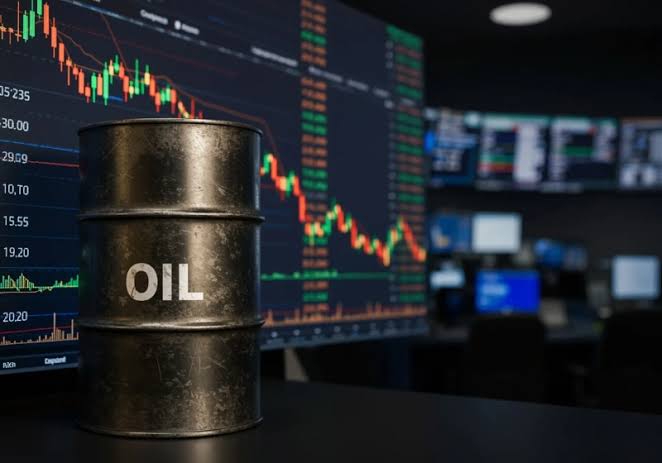
Global oil prices slid by more than 4% on Monday (Nov 2) following talks between Iranian and Qatari officials, which revived hopes for an agreement to end the US-Iran conflict. Brent crude fell 4.2% to US$108.64 per barrel, while WTI dropped 4.2% to US$99.71 per barrel.
The decline occurred after Iranian negotiators concluded discussions with Qatari mediators. A draft proposal is reportedly circulating, and further meetings remain a possibility. These developments have eased market concerns regarding potential disruptions to oil supplies from the Middle East.
Iranian Deputy Foreign Minister Abbas Araghchi stated that the ongoing talks are part of continued consultations with Qatari mediators. Tehran also indicated that it remains prepared for both diplomatic and defensive paths, leaving the market wary of the risk of escalation should negotiations fail.
Downward pressure on oil prices was also driven by the absence of any major military escalation over the weekend. This has led to a reduction in the geopolitical risk premium—a factor that had previously pushed Brent prices to a six-month high at the end of October.
Nevertheless, supply risks have not entirely vanished. Attacks on tankers in the Strait of Hormuz remain a concern, while the conflict—ongoing since late February—has significantly depleted global oil inventories. The CEO of ADNOC noted that nearly 1 billion barrels of oil have been drawn from global stockpiles since the conflict began disrupting shipping lanes through the Strait of Hormuz.
Meanwhile, some analysts still see the potential for price increases should supply disruptions worsen. Goldman Sachs has even raised its oil price projections, estimating that Brent could reach US$140 per barrel by 2027 if oil production from Gulf nations remains 3.5 million barrels per day below the 2025 average.
The market will now closely monitor developments in Iran-Qatar negotiations, the security of the Strait of Hormuz, and the direction of U.S. policy following the midterm elections. While greater prospects for diplomacy could keep downward pressure on oil prices, a failure in negotiations or a military escalation could potentially trigger a sharp rise in prices. (arl)
Source: Newsmaker.id