
Trending
Fiscal & Monetary
Source: Newsmaker.id
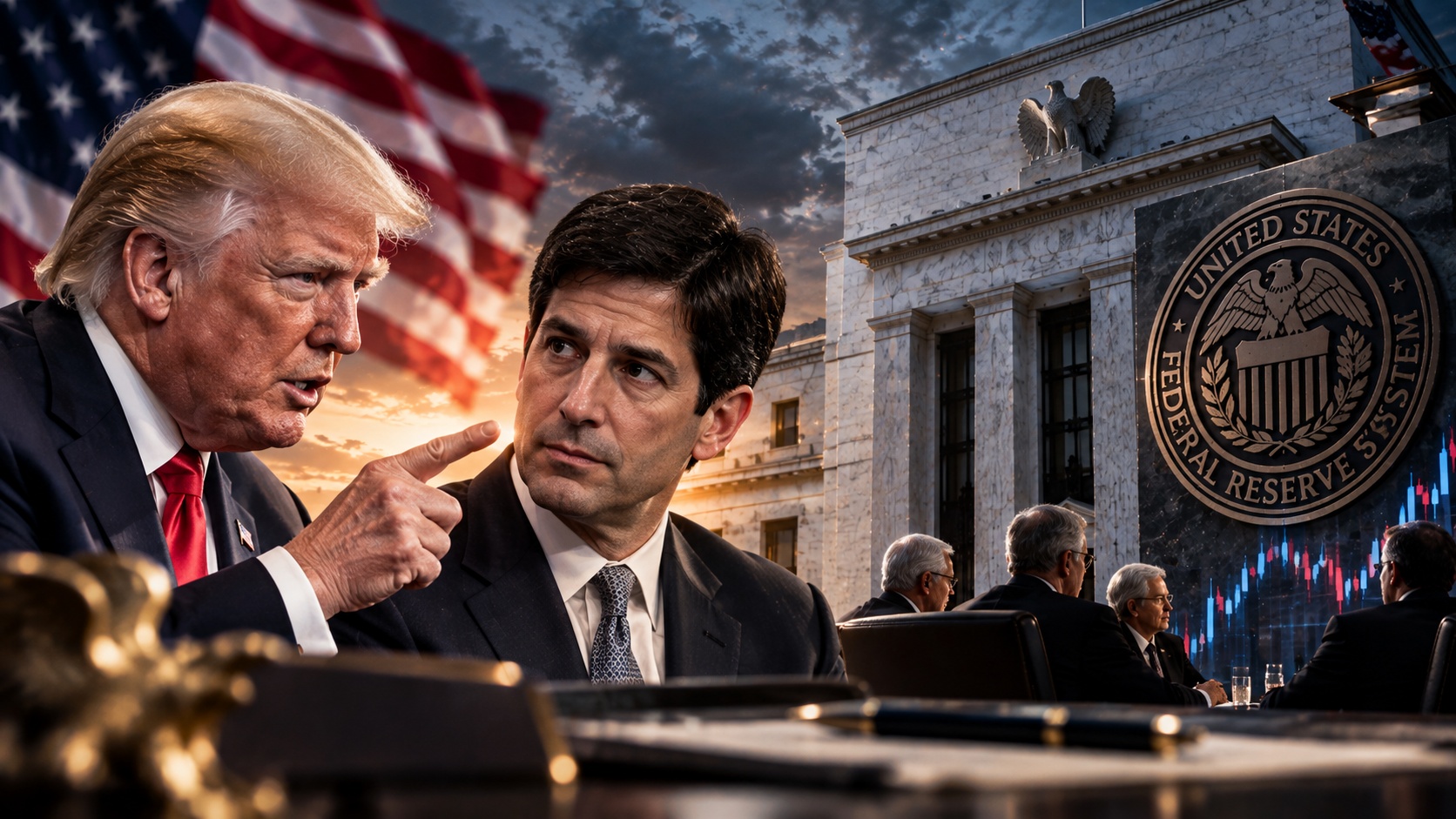
U.S. President Donald Trump has stated that he retains confidence in Federal Reserve official Kevin Warsh, despite the central bank's decision to raise interest rates. Instead, Trump directed his criticism at the Fed's Board—describing it as "unfriendly"—after all members of the Federal Open Market Committee (FOMC) approved a 25-basis-point rate hike, bringing the target range to 3.75%–4.00%.
Trump acknowledged having spoken with Warsh but stated he did not attempt to influence the decision. According to Trump, Warsh lacked the votes to block the move, as all 12 FOMC members supported the hike. This stance suggests Trump is still cutting Warsh some slack, even as pressure on the central bank mounts.
Previously, Trump had urged the Fed to immediately lower interest rates to 1% or even lower. He argued that high borrowing costs were undermining U.S. competitiveness and widening the trade deficit. However, such drastic rate cuts are typically reserved for times when the economy is facing a serious crisis.
This rate hike—the first since 2023—followed U.S. consumer inflation data for August that came in higher than expected. The Fed is also contending with price pressures stemming from surging energy costs—driven by the U.S.–Iran conflict and Trump’s tariff policies—and inflation concerns. Warsh emphasized that geopolitical risks have altered the inflation outlook, even though the U.S. economy remains supported by productivity growth, investment, and a robust labor market.
For the markets, the Fed's hawkish stance could strengthen the U.S. dollar while putting downward pressure on gold prices due to rising yields on interest-bearing assets. Oil prices could also face pressure from concerns that high interest rates will slow the economy and dampen energy demand; however, the risk of supply disruptions linked to the U.S.–Iran conflict may limit any decline.