
Trending
Fiscal & Monetary
Source: Newsmaker.id
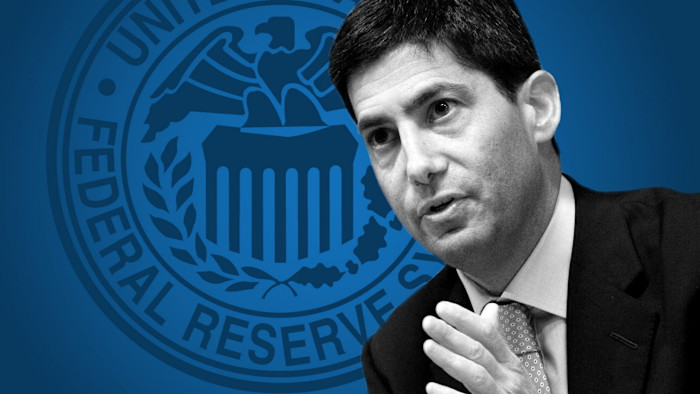
Federal Reserve official Kevin Warsh emphasized that the central bank's primary focus remains on price stability following the Fed's official decision to raise interest rates by 25 basis points to the 3.75%–4.00% range. Warsh assessed that US inflation remains too high and that price trends throughout the summer have not shown significant improvement.
In the press conference following the FOMC meeting, Warsh also noted that overall US financial conditions were not yet sufficiently tight. This statement reinforced the view that the September hike was not merely a one-off move, particularly as the latest projections indicate that 16 out of 18 Fed officials still anticipate at least one additional rate hike before the end of the year.
Market sentiment shifted toward a more hawkish stance during Warsh's remarks. The two-year Treasury yield rose by approximately 7 basis points to 4.732%, while the 10-year yield breached the 5% mark again, reaching around 5.012%. The Dollar Index also strengthened by about 0.6% to 100.30 as investors repriced the likelihood of interest rates remaining higher for longer.
Wall Street reversed course and came under pressure after initially trading higher. The S&P 500 fell by roughly 1% and the Nasdaq declined by 0.7% toward the end of the press conference, reflecting concerns that corporate borrowing costs could remain elevated if the Fed continues its tightening campaign.
Markets also raised their expectations for the next rate hike. The probability of the Fed raising rates again at the late-October meeting rose to approximately 56.5%, up from 54% prior to the September decision. However, some market participants view December as a more likely timeframe for a hike should inflation and energy price data fail to show significant improvement.
Warsh’s key message following the FOMC decision was clear: the fight against inflation is far from over. With the dollar and yields strengthening again and stock markets turning weaker, investor attention will now shift to CPI and PCE data, oil prices, and the labor market to assess whether the Fed will indeed raise interest rates again before the end of 2026.
Source: Newsmaker.id