
Trending
Fiscal & Monetary
Source: Newsmaker.id
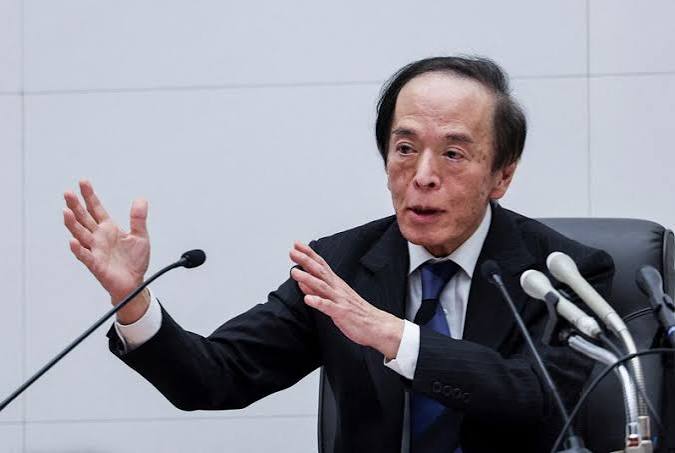
Bank of Japan (BoJ) Governor Kazuo Ueda signaled that interest rate hikes in Japan could continue if inflationary pressures intensify. This statement followed the BoJ's decision to raise interest rates by 25 basis points to 1.25%, the highest level in 31 years. Ueda emphasized that the central bank is keeping its options open regarding future policy moves.
Ueda stated that decisions on the magnitude or frequency of rate hikes would depend on price trends and inflation risks in Japan. He noted the BoJ's desire to act proactively to prevent inflation from rising too high, thereby avoiding the need for aggressive tightening that could place significant strain on the economy.
According to Ueda, Japan is currently in a phase requiring careful monitoring of various economic data. However, he stressed that a cautious approach does not imply the BoJ will move slowly. The central bank will consider inflation trends, financial conditions, and the economic impact of rate hikes before determining its next steps.
Ueda also highlighted that Japan's core inflation is approaching the 2% target. Wage increases and rising medium- to long-term inflation expectations are factors reinforcing price pressures. Additionally, he warned that renewed energy price hikes stemming from the Middle East conflict could heighten inflationary pressure, affecting everything from production costs to consumer prices.
He further explained that global central bank policies—including those of the US Federal Reserve and the European Central Bank—are influenced by similar factors, such as inflation pressures from the Middle East conflict and rising investment in artificial intelligence (AI). However, he emphasized that BoJ policy is not aimed at controlling the yen's exchange rate, but rather at maintaining price stability and the health of the Japanese economy.
Newsmaker Analysis: Kazuo Ueda’s statements indicate that the BoJ is opening the door to further policy normalization while avoiding signals of overly aggressive tightening. Markets will closely monitor whether Japanese inflation stabilizes around the 2% target, as well as trends in wages and energy prices. Looking ahead, the direction of the yen and the Japanese market will depend heavily on how quickly the BoJ raises interest rates compared to other major central banks. (arl)
Source: Newsmaker.id