
Trending
Global & Economy
Source: Newsmaker.id
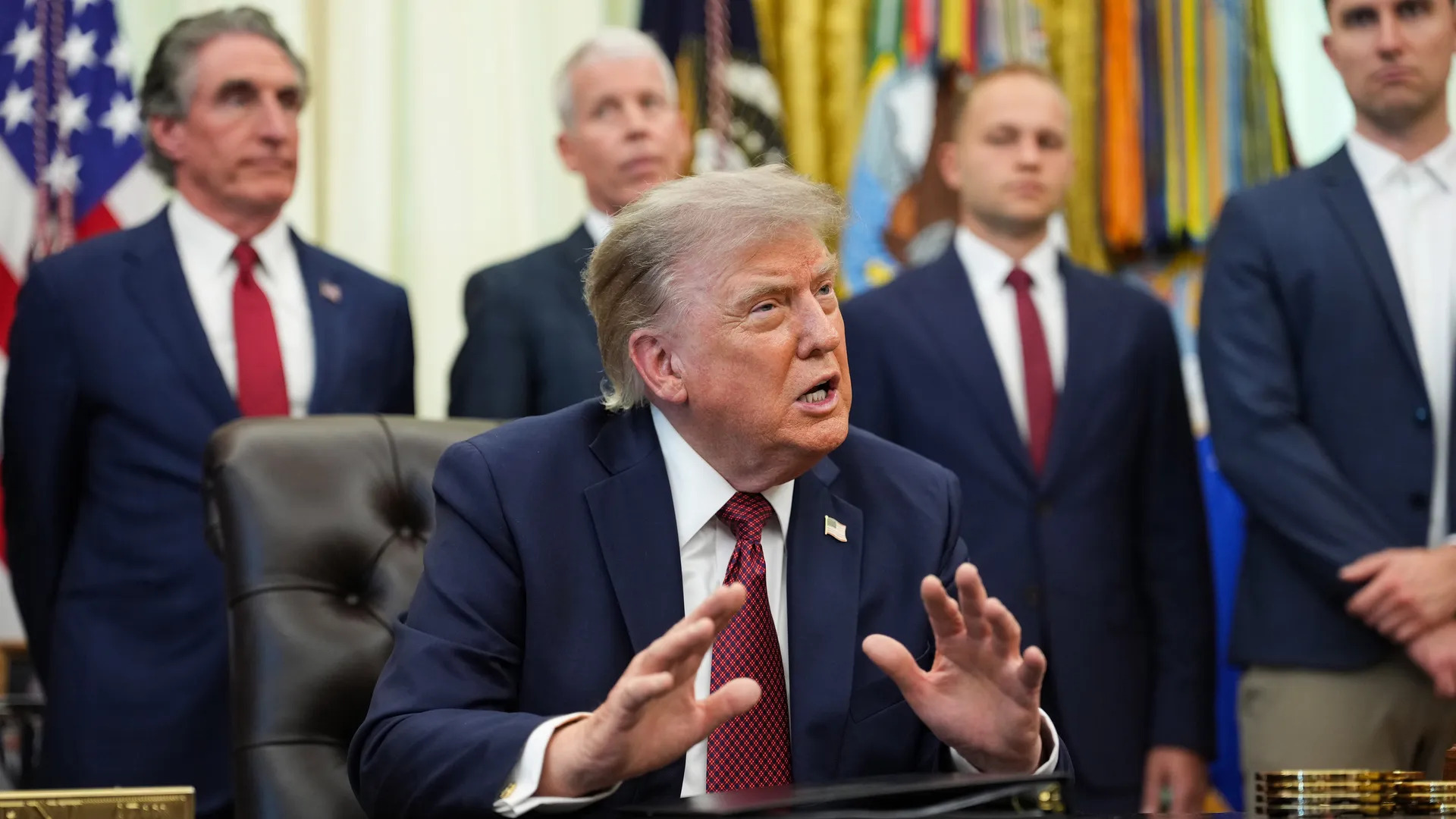
U.S. President Donald Trump is set to meet with leaders from Gulf nations on the sidelines of the United Nations General Assembly (UNGA) in New York on Tuesday (September 22). According to an Axios report cited by Reuters, the meeting is expected to address next steps regarding the Iran conflict and post-conflict strategies.
The meeting is expected to involve leaders or representatives from the six member states of the Gulf Cooperation Council (GCC): Saudi Arabia, the United Arab Emirates, Qatar, Bahrain, Kuwait, and Oman. Gulf nations are key stakeholders in these discussions, as the Iran conflict has impacted regional security and economics, including trade activities and energy exports.
Talks are expected to focus on the U.S. administration's ideas regarding a post-conflict strategy for Iran. The Trump administration is reportedly formulating a broader "day-after plan"—a strategy for the post-war landscape—which, according to Axios, is not expected to be finalized until after the U.S. midterm elections. No official details have been released regarding the specific policies or agreements to be discussed.
The meeting takes place as regional conflict continues to strain Middle Eastern trade and energy routes. Tensions surrounding the Strait of Hormuz have been a primary concern for Gulf nations, given the strait's critical role in global oil and gas shipments. In recent weeks, security developments in the region have also continued to influence global oil price volatility.
This agenda coincides with the start of the general debate at the 81st UN General Assembly in New York on September 22. Trump’s meeting with Gulf leaders will be a diplomatic event closely watched by markets, as it could offer clues regarding the direction of U.S. policy toward Iran and the prospects for resolving the conflict. For energy markets, diplomatic developments in the region could influence perceptions of supply risk for Middle Eastern oil, particularly if the talks yield progress regarding security in the Strait of Hormuz. (asd)