
Trending
Global & Economy
Source: Newsmaker.id
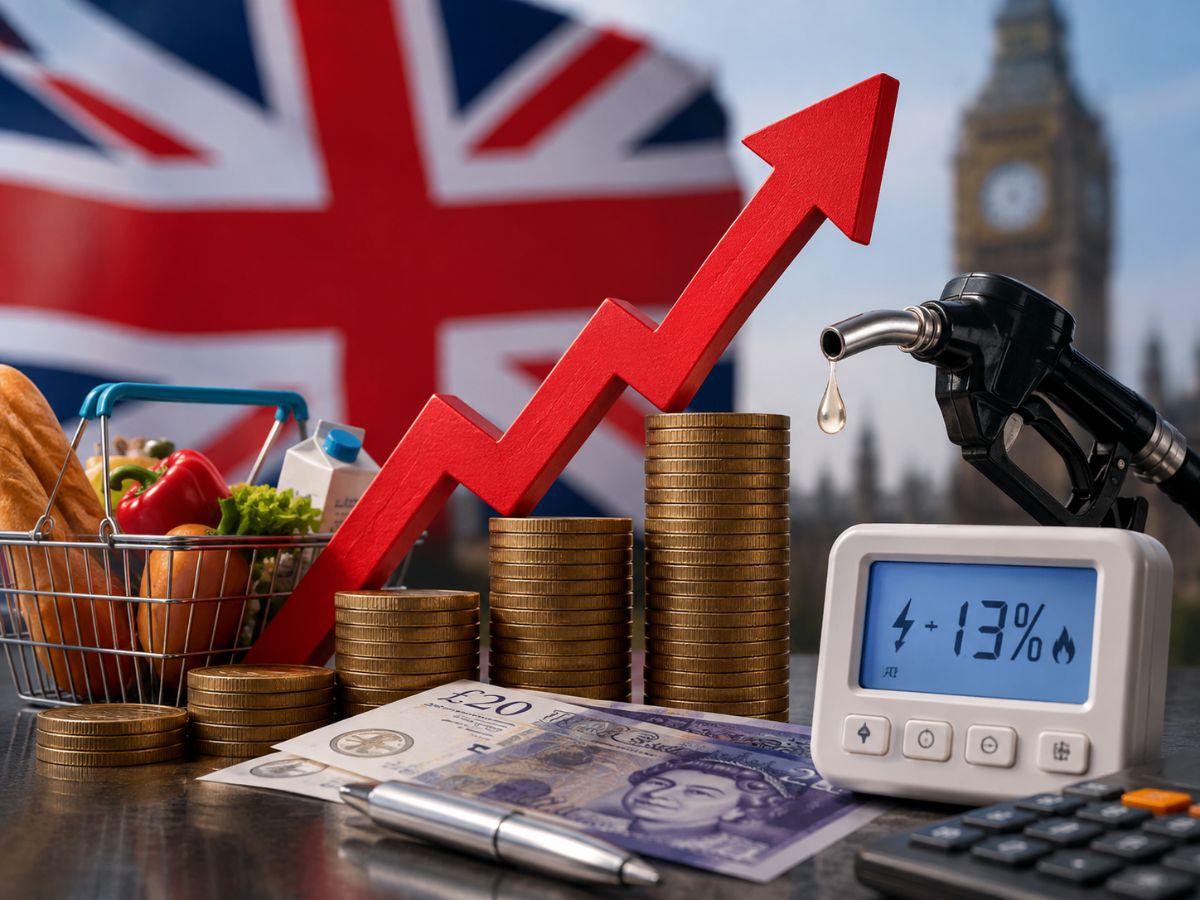
UK inflation rose to 3.1% year-on-year in August, the highest level in five months and in line with market forecasts. The increase was primarily driven by a surge in energy prices resulting from renewed tensions in the Gulf region.
Petrol and diesel prices were the main drivers of the inflation rise, followed by higher airfares, particularly for long-haul travel. Rising crude oil prices also pushed up raw material costs and producer-level goods prices.
Despite the rise in headline inflation, core inflation—which excludes volatile components like food and energy—remained at 2.6% for the fourth consecutive month. Inflation in the services sector, a key focus for the Bank of England, also held steady at 3.4%.
These conditions lead the market to anticipate that the BoE will maintain interest rates at Thursday's meeting. The probability of a 25-basis-point hike is estimated at only around 20%, although the market still sees a significant likelihood of two rate hikes before the end of 2026.
Upward price pressure is more pronounced on the producer side. Output prices rose 3.7% year-on-year in August, while input prices surged 6.1%. Goldman Sachs projects that UK inflation could peak at around 3.9% in early 2027 if energy-related pressures persist.
Newsmaker Analysis: While the rise in UK inflation to 3.1% increases the risk of tighter monetary policy, stable core and services inflation still provide the BoE with room to hold interest rates steady. Market focus will shift to the tone of the BoE's policy stance; if the central bank begins to express greater concern regarding the impact of energy prices, expectations for further rate hikes could rise, potentially supporting the pound. (arl)
Source: Newsmaker.id