
Trending
Fiscal & Monetary
Source: Newsmaker.id
The Bank of Japan (BOJ) is expected to raise interest rates by 25 basis points to 1.25% at its meeting on Friday (September 18). If realized, this rate would mark a 31-year high and the first hike since June. Markets are now awaiting the official decision and clues regarding the next tightening steps.
Expectations for a rate hike are bolstered by inflationary pressures, wage growth, and solid Japanese economic data. These developments provide the BOJ with room to continue scaling back stimulus while underscoring the need to keep price increases under control. The yen's weakness is also a concern, as it could drive up the cost of imports.
Inflationary risks also stem from the Middle East conflict, which is disrupting global energy supplies. Shipping disruptions in the Strait of Hormuz and threats to alternative routes in the Red Sea keep markets anxious about oil availability. For Japan, which relies on energy imports, high oil prices add pressure to corporate costs and household spending.
From abroad, US Treasury Secretary Scott Bessent has voiced support for firmer monetary measures to address the yen's weakness. Federal Reserve rate hikes also pose a challenge for the BOJ; a persistently wide interest rate gap between the US and Japan could support the dollar and place renewed downward pressure on the Japanese currency.
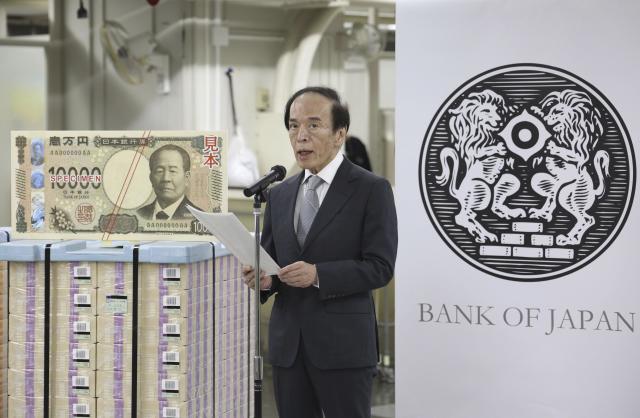
With a September rate hike already largely priced in by the market, investor attention has shifted to Governor Kazuo Ueda's press conference. Market participants are looking for clues regarding the timing and pace of future hikes. Thus far, Ueda has emphasized that further moves depend on the inflation outlook and the impact of previous rate hikes on financial conditions.