
Trending
Nikkei
Source: Newsmaker.id
The Bank of Japan (BOJ) surprised financial markets on Friday (October 30, 2026) by announcing an acceleration in the sale of its exchange-traded fund (ETF) holdings. Starting in January 2027, the Japanese central bank will increase its annual ETF sales from approximately 330 billion yen to 860 billion yen, based on book value. This policy was announced alongside a decision to maintain interest rates at 1.25%. Although this move could potentially increase the supply of shares in the market, investors believe the impact can be absorbed by the substantial trading activity within the Japanese stock market.
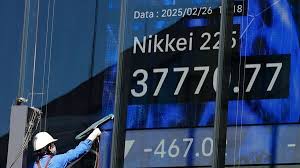
The Nikkei 225 index had previously come under pressure due to a global sell-off in technology stocks; however, it managed to recoup some of its losses following the BOJ’s announcement, even though it remained down by approximately 2% during midday trading. Market participants do not anticipate that the accelerated ETF sales will trigger a major downturn, as the value involved is relatively small compared to daily transaction volumes. Based on current market prices, the value of the ETFs to be sold is estimated at approximately 2.4 trillion yen per year. Meanwhile, the average daily trading value for stocks in the Topix index has reached around 9 trillion yen so far this year. This comparison suggests that the Japanese market possesses sufficient trading capacity to accommodate the gradual increase in share supply.
This policy is part of the BOJ’s ongoing effort to scale back the monetary stimulus that has been in place for years. The central bank began purchasing ETFs in 2010 to support the stock market and economic activity—a program that was subsequently expanded during the tenure of former Governor Haruhiko Kuroda. The BOJ ceased its ETF purchases in March 2024 and began selling its holdings in January 2026. This acceleration in sales is expected to increase the number of shares available for trading while simultaneously reducing the central bank’s direct involvement in the equity market. The proceeds from the divestment of these assets also have the potential to increase the Japanese government's revenue.