
Trending
Nikkei
Source: Newsmaker.id
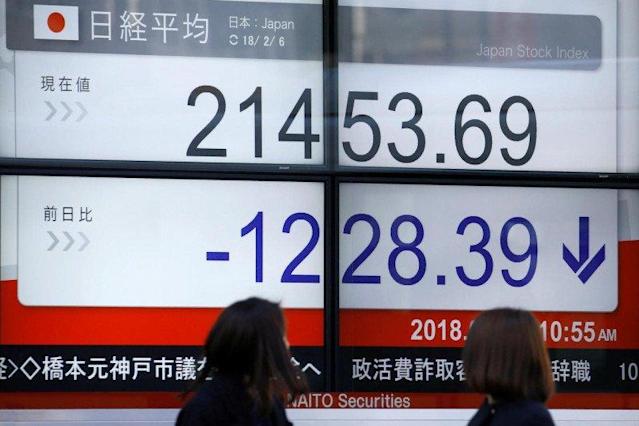
Japanese stock markets weakened once more during Monday’s trading session (November 2, 2026), with the Nikkei 225 index falling by approximately 0.3% toward the 63,000 level in early trading. This decline extends the pressure seen late last week, when technology stocks faced a sell-off driven by growing concerns regarding the sustainability of investments in artificial intelligence (AI). Investors have begun to question whether tech companies can generate profits commensurate with the massive capital poured into AI development, leading to a waning appetite for riskier assets.
The pressure on the Japanese market follows a downturn on Wall Street last Friday, triggered largely by a nearly 30% plunge in Intel shares—the company’s steepest single-day decline in over four decades. The U.S.-based semiconductor firm issued revenue projections that fell short of expectations, citing a slowdown in demand for personal computers alongside rising costs for technology development. These developments have fueled fears that heavy spending on AI infrastructure may not necessarily translate into profit growth in the near term. This sentiment has rippled across Asian markets, including Japan, which is home to numerous suppliers of semiconductor components and equipment.
Within the domestic market, Japanese technology stocks were among the hardest hit. Kioxia Holdings slid by approximately 13%, Ibiden weakened by 6%, and Screen Holdings fell by 5.8%. These declines reflect growing investor caution regarding the outlook for demand for chips and electronic components. The pressure also extended to the banking sector, with Mitsubishi UFJ dropping 2.3%, Sumitomo Mitsui falling 2.6%, and Mizuho Financial retreating by 2.5%. The weakness across these various sectors suggests that market concerns are no longer confined to technology firms, but are beginning to weigh on broader investment sentiment. In addition to developments in technology stocks, investors are also awaiting data on wage growth in Japan, which will provide insight into the strength of household consumption and the future direction of the Bank of Japan’s (BOJ) policy. At its meeting last week, the BOJ maintained interest rates at 1.25% but signaled that underlying inflation has reached its 2% target range. Nevertheless, the central bank still needs to ensure that these price pressures can be sustained over the long term. Wage growth is a critical factor, as an increase in household income can bolster consumption while providing the BOJ with room to continue the normalization of its monetary policy.