
Trending
hong-kong
Source: Newsmaker.id
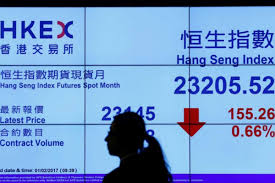
The Hang Seng Index fell 1% by the close of trading on Thursday (October 15), mirroring pressure in global stock markets after U.S. inflation data—which came in higher than expected—reignited concerns regarding interest rate hikes by the Federal Reserve. Technology stocks were the primary source of downward pressure, with the Hang Seng Tech Index dropping 2.7%.
Weakness was also seen in mainland Chinese markets. The Shanghai Composite and the CSI300 both fell 1.6%, reaching their lowest closing levels since August 2025. Meanwhile, the STAR50 declined 1.5%, and the ChiNext Composite slumped 2.9% amid a broader sell-off in technology shares.
The pressure on tech stocks follows a reassessment by investors of the risks posed by higher interest rates. Hotter-than-expected U.S. inflation data strengthened the dollar and weighed on Wall Street, while rising Treasury yields and volatility in oil prices tightened dollar liquidity and dampened investor risk appetite.
In Hong Kong, shares of Alibaba fell 3.7%, joining other tech stocks under pressure. Strategists at UBS Securities suggest that the correction in the Chinese market is largely driven by the unwinding of positions in tech stocks that had previously seen valuation increases, while redemption pressures on mutual funds have further weighed on market sentiment.
Investors are now turning their attention to China’s third-quarter Gross Domestic Product (GDP) data, due for release on Monday. This data will serve as a key indicator of the strength of China’s economic recovery, following positive developments in areas such as trade and credit expansion.
Additionally, the International Monetary Fund (IMF) has warned that economic growth in Asia could slow next year. Key risks include the potential for rising energy prices stemming from the conflict involving Iran, a possible correction in the AI sector, and the impact of rising global bond yields on the region’s financial conditions.
Newsmaker Analysis: The Hang Seng continues to face strong pressure driven by a combination of hot U.S. inflation, rising U.S. yields, and a sell-off in technology stocks. A 2.7% decline in the Hang Seng Tech Index highlights the technology sector as a primary weak point, given its heightened sensitivity to expectations of higher interest rates. In the near term, this pressure could persist if the U.S. dollar and U.S. yields remain strong; however, attention will now shift to China’s third-quarter GDP data, which could serve as a catalyst in determining whether the correction in the Hang Seng will continue or begin to ease.
Source: Newsmaker.id