
Trending
hong-kong
Source: Newsmaker.id
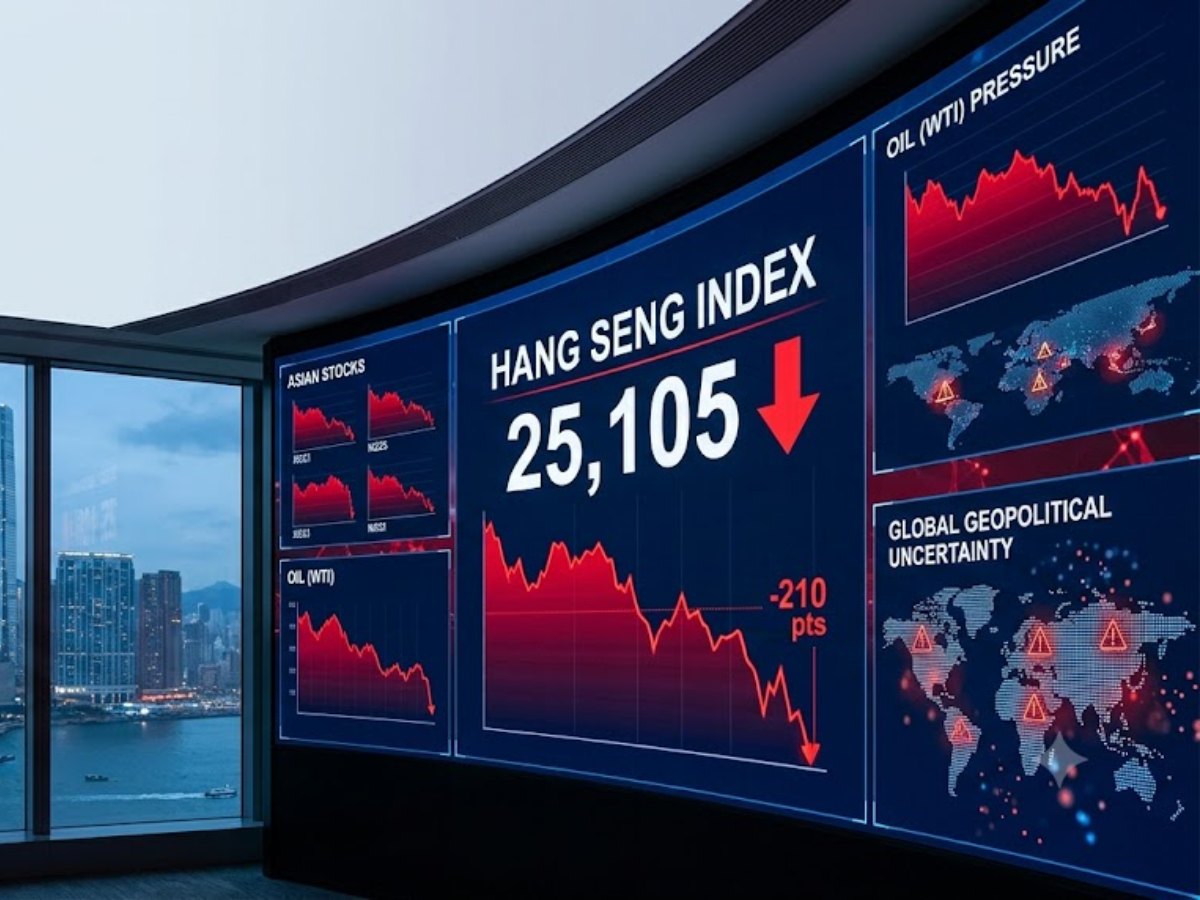
Hong Kong stocks traded mixed on Wednesday (Oct. 14); the Hang Seng Index fell 0.1% to 24,314.17, while the Hang Seng China Enterprises Index rose 0.1% to 8,183.17. Pressure was particularly evident in technology stocks after rising oil prices reignited inflation concerns, while investors also remained cautious regarding the valuations of artificial intelligence (AI)-related companies.
The Hang Seng TECH Index fell 0.5% as investors reassessed high valuations and substantial corporate spending on AI development. Sentiment toward the tech sector was also influenced by the market's anticipation of US inflation data, which could offer clues regarding the Federal Reserve's interest rate policy direction.
Inflationary pressure also stemmed from China. China's producer inflation rose to 5.0% in September from 3.8% in August, exceeding market expectations and marking the fastest increase since June 2022. The data indicates intensifying price pressures in the manufacturing sector, drawing investor attention to China's economic outlook and monetary policy.
Among individual stocks, Standard Chartered fell nearly 4% after launching a cryptocurrency trading service for eligible affluent clients in the United Arab Emirates. Through this service, clients can buy and sell Bitcoin and Ether using their bank accounts. Meanwhile, Poly Xverse Intelligent Technology surged 40% after raising the price of its proposed share placement to HK$0.36 from HK$0.34.
Investors are now awaiting US consumer and producer inflation data, scheduled for release on Wednesday and Thursday, respectively. These figures will be a key focus, as they could influence expectations regarding Federal Reserve policy. Meanwhile, persistently high oil prices, inflationary pressures in China, and caution regarding AI stock valuations are expected to remain key factors influencing the Hong Kong stock market.
Newsmaker Analysis: Hang Seng movements remain cautious as the market faces a combination of pressures stemming from rising oil prices, Chinese producer inflation, and relatively high valuations for technology stocks. In the short term, US CPI data serves as a crucial catalyst; higher inflation could reinforce expectations of elevated interest rates and weigh on tech stocks, whereas lower figures could potentially allow the technology sector and risk assets to rebound. Conversely, if inflationary pressures in China continue to mount, Beijing's scope for policy easing could become increasingly limited, presenting an additional concern for the Hong Kong market.
Source: Newsmaker.id