
Trending
hong-kong
Source: Newsmaker.id
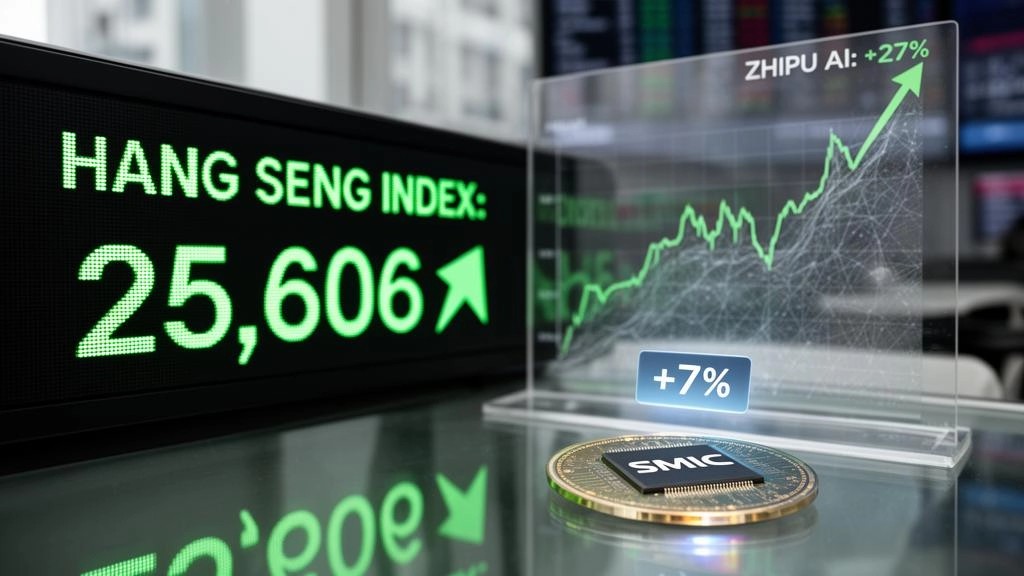
The Hang Seng Index closed 0.6% (or 146 points) higher at 24,751 in Friday's trading (Sept 18). The gains followed a drop in oil prices and US Treasury yields, which helped improve market sentiment, while investors adjusted their positions after the Federal Reserve raised interest rates by 25 basis points to the 3.75%–4.00% range.
The decline in Brent crude prices to below US$104 per barrel for the third consecutive session also boosted market sentiment. Lower energy costs eased concerns regarding inflationary pressure and potential increases in borrowing costs, thereby allowing risk assets to rally.
Positive sentiment also stemmed from Wall Street, which recorded a strong rebound in the previous session. The S&P 500 and Nasdaq indices both rose by more than 1%, providing a lift to Asian stock markets. This movement was driven largely by technology stocks, a sector that subsequently performed well on the Hong Kong exchange.
The technology sector was a key driver for the Hang Seng during Friday's trading. Several stocks posted significant gains: Z.AI Co. rose 5.4%, Lenovo surged 9.5%, MiniMax jumped 18.9%, and SMIC climbed 4.4%. These results indicate that investor interest in technology stocks remains robust, despite the tightening global interest rate environment.
Investors continue to monitor developments regarding the conflict in the Middle East and the possibility of further interest rate hikes by the Fed. Additionally, market attention is shifting toward the planned meeting next week between US President Donald Trump and Chinese President Xi Jinping, which could serve as a crucial catalyst for sentiment regarding economic and trade relations between the two nations.
Newsmaker Analysis: The Hang Seng's rally indicates that risk sentiment is improving as pressure from Fed interest rate hikes subsides. Declining energy prices and Treasury yields have supported equities, while the technology sector received an extra boost from the Nasdaq's rebound. However, the Hang Seng's next move will still depend on developments regarding US monetary policy, geopolitical conditions, and the evolution of US-China relations. (arl)
Source: Newsmaker.id