
Trending
Oil
Source: Newsmaker.id
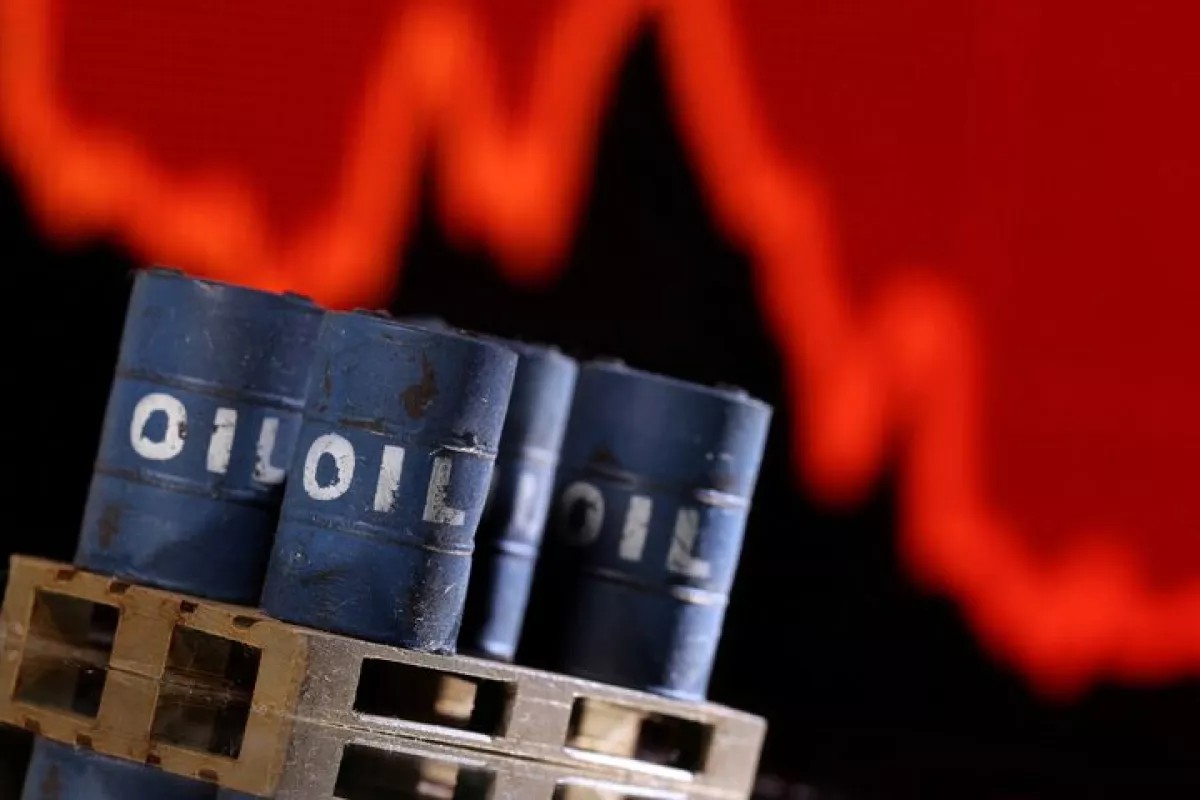
Oil prices weakened again during Friday's trading (Sept. 18), marking a third consecutive session of decline as the market anticipated a supply recovery from the Middle East. Brent crude fell approximately 2.5% to US$102.20 per barrel, while West Texas Intermediate (WTI) dropped 2.3% to US$99.55 per barrel. This downward trend was driven by hopes that the resumption of Saudi oil flows would offset concerns regarding the escalating regional conflict.
Downward pressure on prices emerged as investors focused on Saudi Arabia's efforts to restore the East-West pipeline, which had been damaged in a drone attack last week. Saudi Arabia reportedly aims to bring about half of the pipeline's capacity back online within days—a faster timeline than initial estimates, which had suggested a prolonged recovery process.
In addition to pipeline repairs, Saudi Arabia has offered extra crude oil shipments to Asian buyers via ship-to-ship transfers near the Port of Sohar, Oman. This move provides an export alternative and helps alleviate market fears regarding supply losses caused by energy infrastructure disruptions.
However, geopolitical risks remain a key factor limiting the drop in oil prices. Tensions between Saudi Arabia and the Iran-backed Houthi group have reignited, while the expansion of Houthi influence in western Yemen has heightened concerns over the security of the Bab el-Mandeb Strait—a critical global energy trade route alongside the Strait of Hormuz.
Uncertainty has also risen following reports from Iran that a Togo-flagged oil tanker was attacked while transiting the Strait of Hormuz. Meanwhile, U.S. President Donald Trump stated he is nearing a major decision regarding potential military action against Iran. Diplomatic efforts are ongoing, including involvement from China, which is urging Washington and Tehran to avoid further escalation and to reopen the Hormuz shipping lanes.
Newsmaker Analysis: The current decline in oil prices is driven more by optimism regarding supply recovery than by the subsiding of conflict risks. The market is still awaiting concrete evidence that Saudi oil distribution has returned to normal and that the security of key energy routes can be maintained. As long as the conflict in the Middle East persists—particularly around the Strait of Hormuz and the Bab el-Mandeb—oil prices remain susceptible to rapid volatility. (arl)
Source: Newsmaker.id