
Trending
Oil
Source: Newsmaker.id
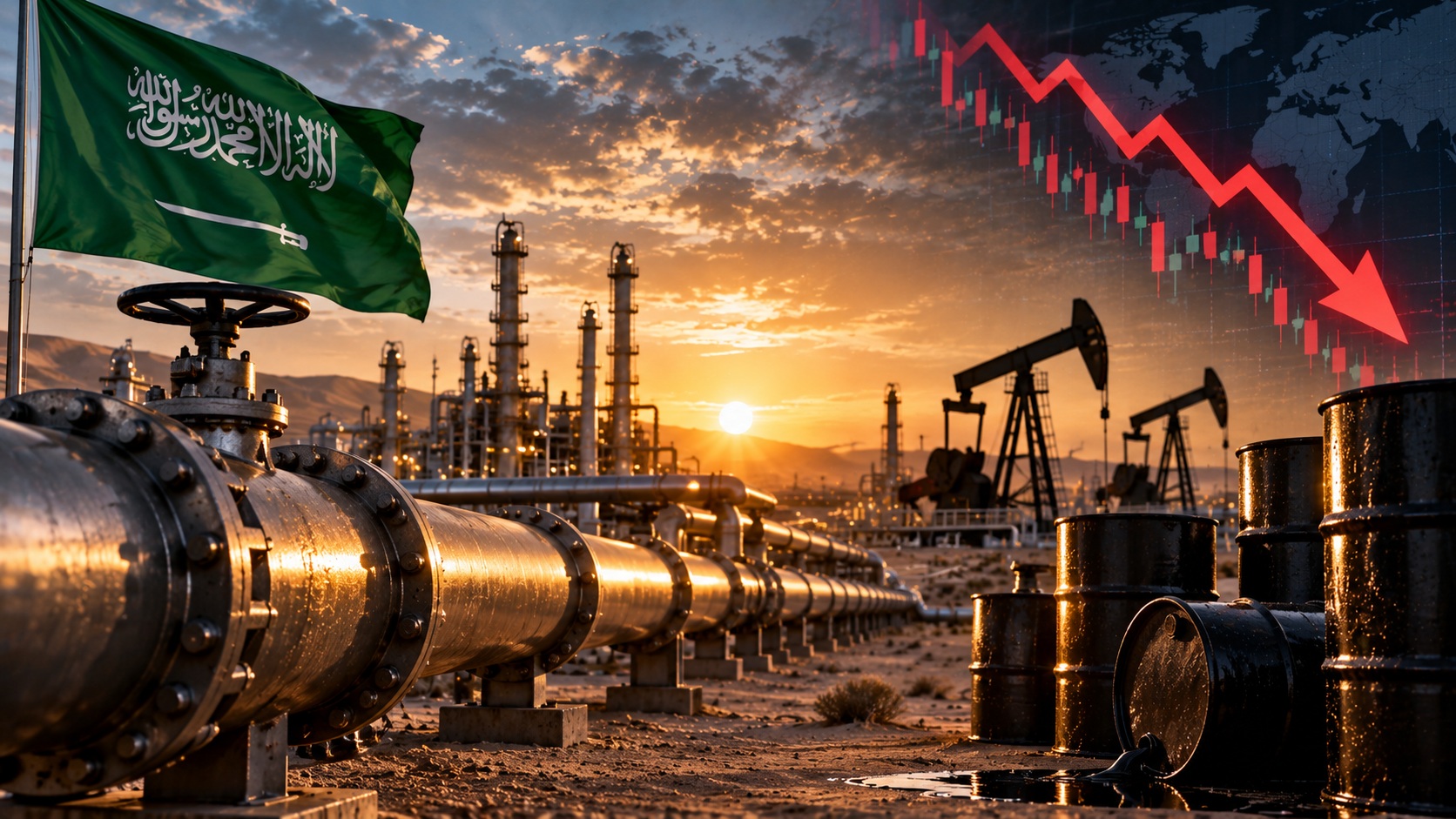
Oil prices continued to fall for a second consecutive day during Thursday's trading (Sept 17) following signs that supply disruptions in the Middle East were easing. The Brent contract for November delivery dropped 0.9% to US$104.89 per barrel, while the WTI contract for October delivery weakened 0.9% to US$101.48 per barrel.
The decline followed Saudi Arabia's efforts to restore approximately half of the East-West pipeline's capacity within a few days. Full operations on the line are expected to resume within six weeks after the pipeline sustained damage from an attack last week.
The East-West pipeline is a vital route, transporting Saudi crude oil to the Red Sea coast without passing through the Strait of Hormuz. The restoration of the facility offers hope for increased oil supplies to the global market, even though the situation in the region remains insecure.
Oil flows through the Strait of Hormuz have also shown signs of improvement. US Energy Secretary Chris Wright noted that approximately 18 million barrels of crude oil and petroleum products successfully traversed the route in a single day earlier in the week, with a seven-day average reaching 11 million barrels per day. However, estimates from Clarksons Research were lower, at around 8 million barrels per day.
Market sentiment was also influenced by plans for US President Donald Trump to meet with Gulf state leaders in New York next week. The meeting, taking place on the sidelines of the UN General Assembly, will address the next steps in the US-Iran conflict. Trump even stated that the war could end "soon" and an agreement could be reached at any time.
Nevertheless, supply risks have not entirely vanished. The US Congress approved a bill granting Trump the authority to impose tariffs on countries purchasing Russian oil products, potentially including China and India. Ukrainian attacks on Russian refineries, along with the potential extension of Moscow's diesel export ban through October, could also tighten supplies again and limit the decline in oil prices.