
Trending
Market Update
Source: Newsmaker.id
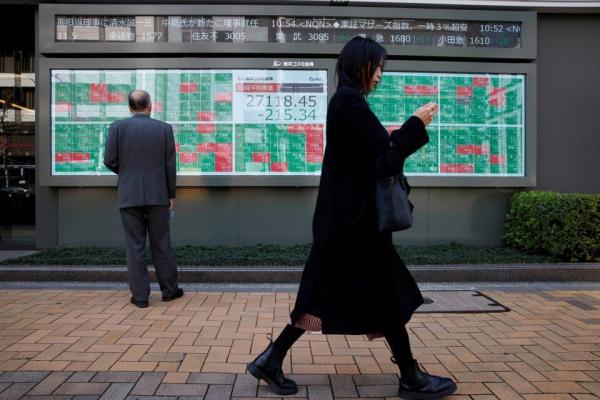
Asian stock markets weakened during Monday’s trading session (November 2, 2026), following a sharp decline on Wall Street late last week. The MSCI Asia Pacific Index fell by approximately 0.5%, while stock markets in Japan, South Korea, and Australia also faced downward pressure from the opening bell. This weakness was driven by growing investor concerns that the valuations of technology stocks have become too high relative to the profits these companies are generating. Having served as the primary market driver for some time, the artificial intelligence (AI) sector is now facing a test regarding the sustainability of its growth.
The pressure stems from a massive sell-off on Wall Street last Friday (October 30), which saw the Nasdaq 100 index plunge 3.5%—its worst daily decline since June. The Philadelphia Semiconductor Index plummeted 7.2%, fueled by Intel’s shares suffering their steepest drop in over four decades. Meanwhile, earnings reports from Alphabet and Amazon have further fueled market unease, as rising investments in AI have yet to yield the expected returns. Investors are beginning to question whether heavy spending on data centers, chips, and technological development will truly generate near-term profits, especially as some core business segments within these tech giants show signs of a slowdown.
In the commodities market, global oil prices weakened amid hopes for an easing of the conflict in the Middle East. Brent crude fell by about 1.6% to US$111.60 per barrel ahead of the U.S. midterm elections on Tuesday (November 3). This decline occurred despite persistent security risks around the Strait of Hormuz, where several vessels have recently come under attack. Conversely, gold rose by approximately 0.7% to US$3,900 per troy ounce, rebounding after having previously fallen to its lowest closing level in over a year. The movements of these two commodities indicate that investors are still adjusting their positions amid shifting geopolitical sentiment and concerns regarding global financial market conditions.
In Asia, investor attention is also focused on the Chinese government’s efforts to maintain stock market stability. China’s central bank, alongside financial and banking authorities, is scheduled to discuss strengthening financing facilities to support share buybacks by corporations and increase investor holdings. This move is expected to help restore market confidence, which remains under pressure. Meanwhile, the digital asset market faces uncertainty following a cyberattack on Binance involving approximately US$6.3 billion. The incident triggered a massive wave of fund withdrawals before transaction activity resumed—adding to the list of risks currently being weighed by global investors.
As November begins, the market is expected to remain volatile, with several key events yet to unfold. The U.S. midterm elections on November 3 could influence geopolitical sentiment and economic policy, while Nvidia’s earnings report at the end of the month will be closely watched to gauge the outlook for the AI industry.