
Trending
hang-seng
Source: Newsmaker.id
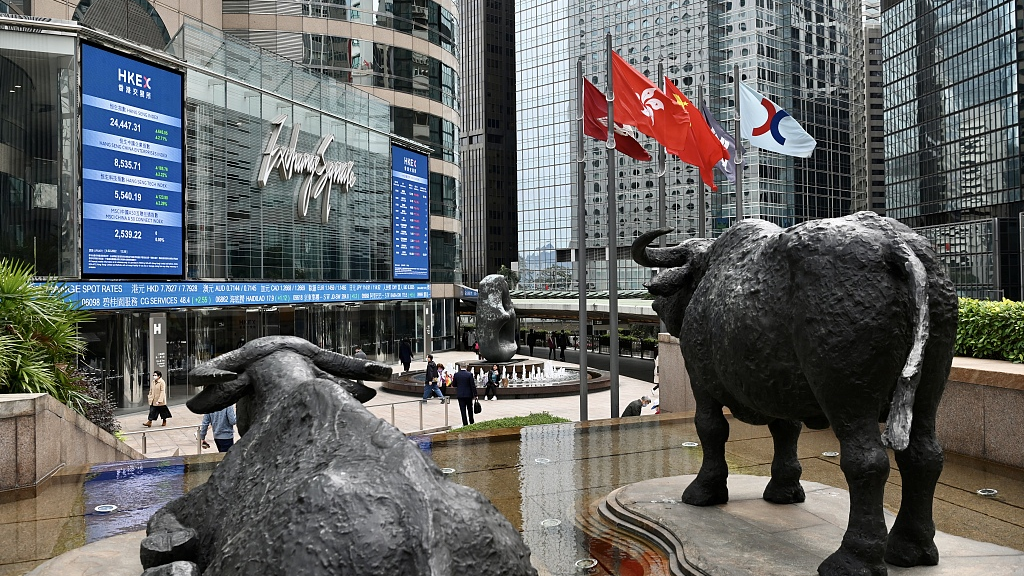
The Hong Kong stock market opened higher on Monday (November 2, 2026), extending gains from the previous week. The Hang Seng Index climbed approximately 87 points, or 0.4%, to reach the 23,381 level, buoyed by strength in several technology stocks. This advance comes as most other Asian markets remain under pressure due to concerns regarding the massive scale of investments in artificial intelligence (AI). Despite the positive movement, the Hong Kong market remains clouded by uncertainty over whether the rally in tech stocks—a key driver of the index—can be sustained.
Chinese technology stocks served as the primary support for the Hang Seng in early trading. Tencent rose 2.4%, Xiaomi gained 2.9%, and Semiconductor Manufacturing climbed 0.9%. Shares of the insurance firm AIA Group also saw a 0.6% increase. However, not all stocks moved higher; Lenovo fell 1.1%, Genscript Biotech dropped 1.6%, and Wuxi Biologics retreated 1.3%. This mixed performance suggests that investors are becoming more selective, particularly amid growing concerns that the valuations of technology companies may have become too high.
Amid the uncertainty surrounding the tech sector, Chinese banking stocks have begun to attract attention following reports of stronger profit growth from several major state-owned banks. These institutions saw their profits increase by between 6.4% and 10.8% in the third quarter of 2026—marking some of the strongest growth seen in recent years. This improvement was supported by lower deposit costs and a stabilization in net interest margins. These results offer a glimmer of hope that conditions within China’s financial sector are beginning to improve, even as the broader landscape continues to face challenges related to credit demand and domestic economic activity. Concerns regarding a potential AI investment bubble remain a risk for the Hong Kong stock market. Investors are beginning to question whether massive spending on technology development will yield the expected returns. This situation could trigger a rotation of funds out of technology stocks—which have seen significant gains—into sectors perceived as more stable, such as banking, insurance, and consumer goods. Such a shift could help bolster the Hang Seng Index, as its performance would no longer rely solely on technology companies. However, should a sell-off in AI-related stocks broaden, downward pressure on overall market sentiment will be difficult to avoid.
Investors are now turning their attention to the preliminary third-quarter economic growth figures for Hong Kong, scheduled for release on Tuesday (November 3, 2026). These data will provide insight into the strength of consumption, trade, and domestic economic activity amidst global uncertainty. Growth that exceeds expectations could boost investor optimism and support a rise in the Hang Seng Index; conversely, disappointing results could limit any gains.