
Trending
audusd
Source: Newsmaker.id
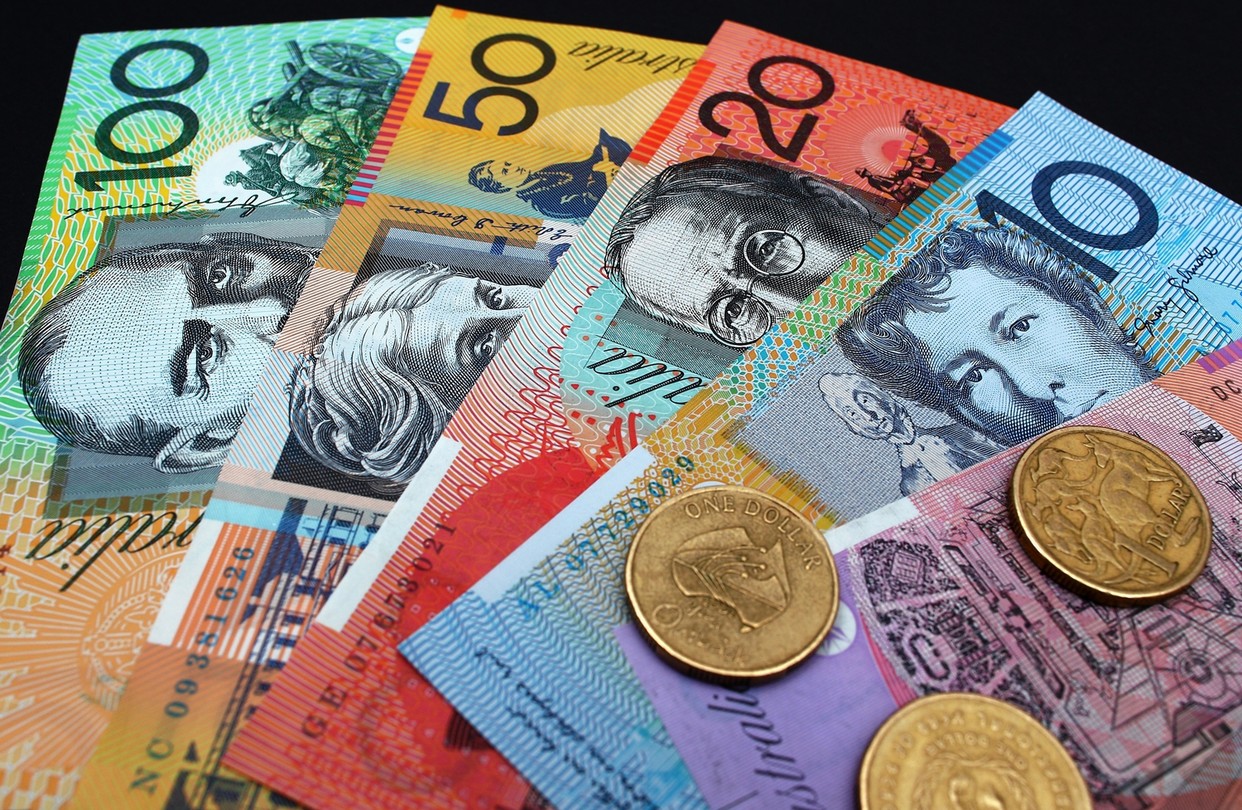
The Australian dollar weakened, falling below the US$0.7000 level during Thursday’s trading (October 15) to reach a two-week low. This decline followed a September employment report showing an increase in the unemployment rate and a drop in the total number of jobs, leading investors to scale back expectations for further interest rate hikes by the Reserve Bank of Australia (RBA).
Australia’s unemployment rate was recorded at 4.7%, higher than the market forecast of 4.6%. Meanwhile, the total number of jobs fell by 39,300—contrary to expectations of a 20,000-job increase. Nevertheless, the number of full-time workers rose by 34,400.
The data points to signs of a softening Australian labor market following the RBA’s decision to raise interest rates by a total of 1 percentage point—to 4.60%—over the course of this year. This policy represents one of the most aggressive monetary tightening measures among developed nations, aimed at curbing inflationary pressures.
Following the release of the report, the probability of an RBA rate hike in November dropped to less than 20%, down from 35%. Meanwhile, the likelihood of a hike in December shrank to 40% from 60%. The market has also begun to shift its outlook for the next rate hike, with May 2027 now showing the highest probability, at approximately 80%.
Looking ahead, a weakening labor market may lead the RBA to adopt a more cautious approach toward interest rate hikes. Diminished expectations for monetary tightening could continue to weigh on the Australian dollar, while the future trajectory of the AUD/USD pair will depend on developments in inflation, labor market conditions, and the RBA’s interest rate policy.