
Trending
audusd
Source: Newsmaker.id
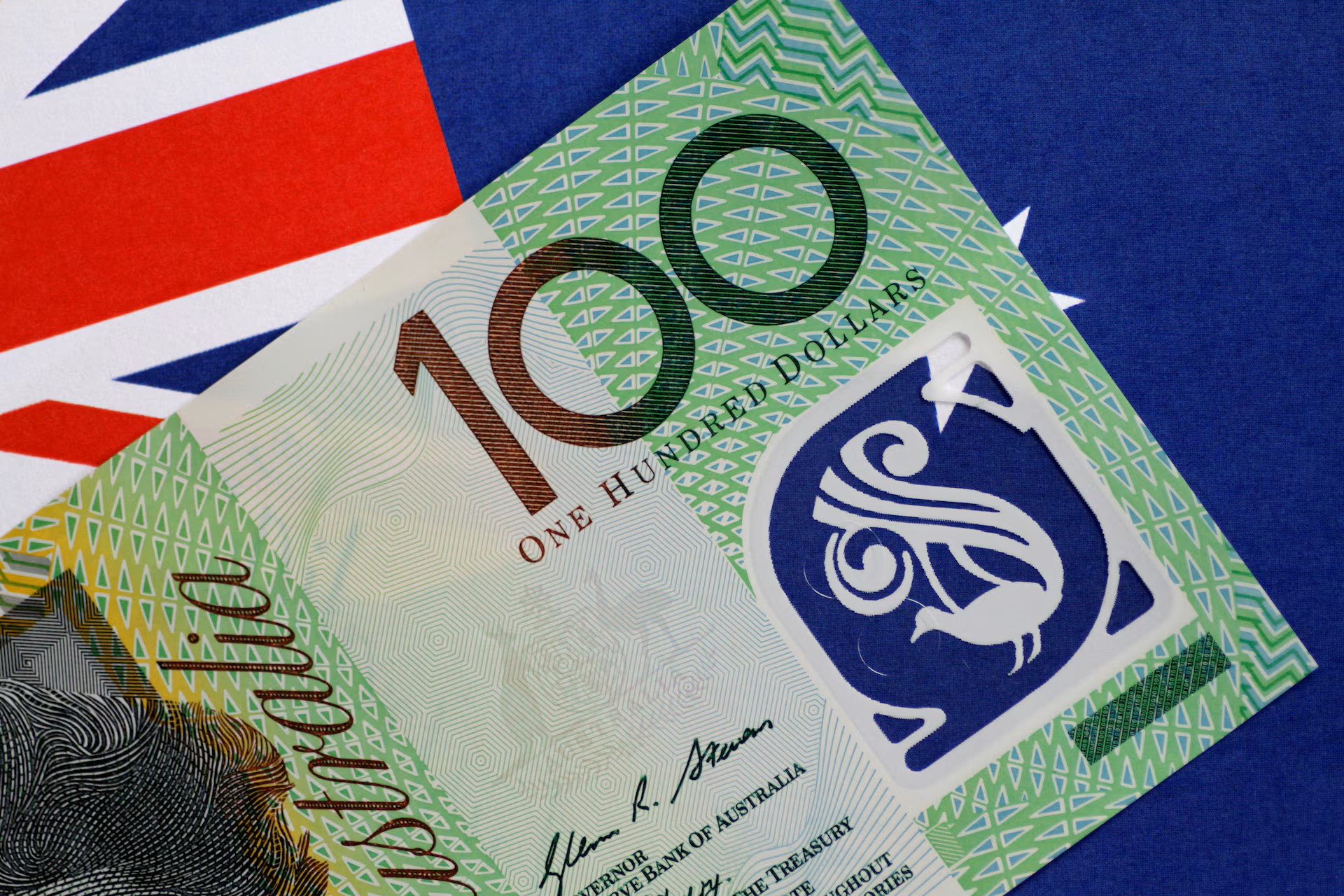
The Australian Dollar (AUD) traded mixed against major currencies on Tuesday (Oct 13), facing pressure against several currencies even though the Reserve Bank of Australia's (RBA) September meeting minutes revealed a relatively hawkish stance. Markets are now shifting their focus to upcoming economic data to see if the RBA retains grounds to maintain a tight monetary policy.
The next key focus is Australia's September labor market data, due for release on Thursday. Markets anticipate the economy added approximately 20,000 jobs—a slowdown from the 39,500 jobs added in August—while the unemployment rate is expected to remain at 4.6%. Should the labor data prove strong, expectations for tighter RBA policy could rise, potentially bolstering the AUD.
Against the US Dollar, however, the AUD strengthened by about 0.27% to 0.6976. This gain was driven largely by a weakening US Dollar and a decline in Treasury yields. The US Dollar Index (DXY) fell roughly 0.3% to the 102.27 level, creating room for commodity-linked currencies like the AUD to move higher.
Meanwhile, global market attention is currently fixed on the US Consumer Price Index (CPI) data due Wednesday. This inflation data could influence expectations regarding the Federal Reserve's next moves and indirectly determine the US Dollar's trajectory. A higher-than-expected CPI could push yields and the Dollar back up, whereas lower inflation might pressure the Dollar and pave the way for AUD appreciation.
The AUD currently sits between two major catalysts: RBA policy and the direction of the US Dollar. US CPI data will serve as a short-term trigger, while Australian labor data represents the next test for the AUD's fundamentals. If US inflation cools and the Australian labor market remains robust, the AUD could see further support.
Source: Newsmaker.id