
Trending
Gold
Source: Newsmaker.id
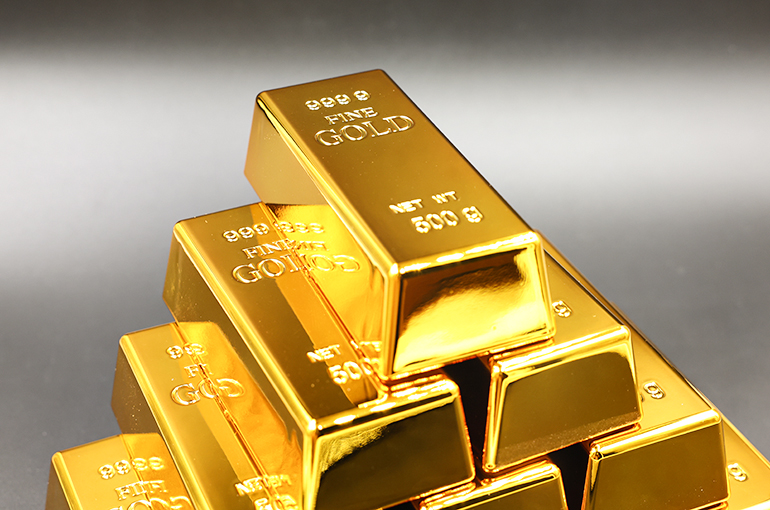
Global gold prices came under renewed pressure on Friday (October 23, 2026), falling to their lowest level in three months and heading for their steepest weekly decline in more than four months. The selloff was driven by surging oil prices, which intensified inflation concerns and reinforced expectations that the Federal Reserve could keep interest rates elevated for longer. Spot gold slipped 0.6% to $3,998.35 per troy ounce after touching $3,975.23, its lowest level since mid-July. For the week, bullion lost approximately 4% of its value, reflecting increasingly strong selling pressure across the precious metals market.
Rising crude oil prices emerged as a major factor weighing on gold. Brent crude climbed to its highest level in more than five months following attacks by Yemen's Houthi group on several facilities in Saudi Arabia, raising concerns over potential disruptions to global energy supplies. Higher energy costs could intensify inflationary pressures and limit central banks' ability to ease monetary policy. This environment poses a challenge for gold, as elevated interest rates tend to increase the appeal of yield-bearing assets such as US Treasury bonds over non-yielding bullion.
Gold faced additional pressure from a selloff in technology and artificial intelligence-related stocks on Wall Street. Weakness in equity markets triggered liquidity needs and margin calls for some investors, encouraging the liquidation of precious metal holdings to meet funding obligations. As a result, gold struggled to benefit from its traditional safe-haven status despite heightened global uncertainty. Market analysts suggested that the combination of inflation concerns, elevated bond yields, and investor liquidations continued to limit bullion's recovery potential in the near term.
Meanwhile, investors are turning their attention to the Federal Reserve's monetary policy meeting scheduled for October 27–28. According to CME's FedWatch Tool, as cited in the Reuters report, markets assigned approximately a 92% probability that the Fed would leave interest rates unchanged at its October meeting, while the probability of a rate hike in December stood at around 83%. These expectations strengthened after recent US consumer and producer inflation data showed stronger-than-anticipated price pressures. Investors are also awaiting the release of the Personal Consumption Expenditures (PCE) price index on October 29, the Federal Reserve's preferred inflation gauge, which could provide further insight into the future direction of monetary policy.
Overall, gold's decline below the psychological $4,000 threshold highlights mounting bearish pressure ahead of several major economic events next week. As long as oil prices remain elevated and expectations of restrictive monetary policy persist, bullion's recovery potential could remain limited. However, signs of easing inflation or a more accommodative tone from the Federal Reserve could provide renewed support for the precious metal. Consequently, the upcoming interest rate decision and PCE inflation report are expected to play a crucial role in determining whether gold can stage a rebound or extend its recent losses.(mrv)
Source : Newsmaker.id