
Trending
Oil
Source: Newsmaker.id
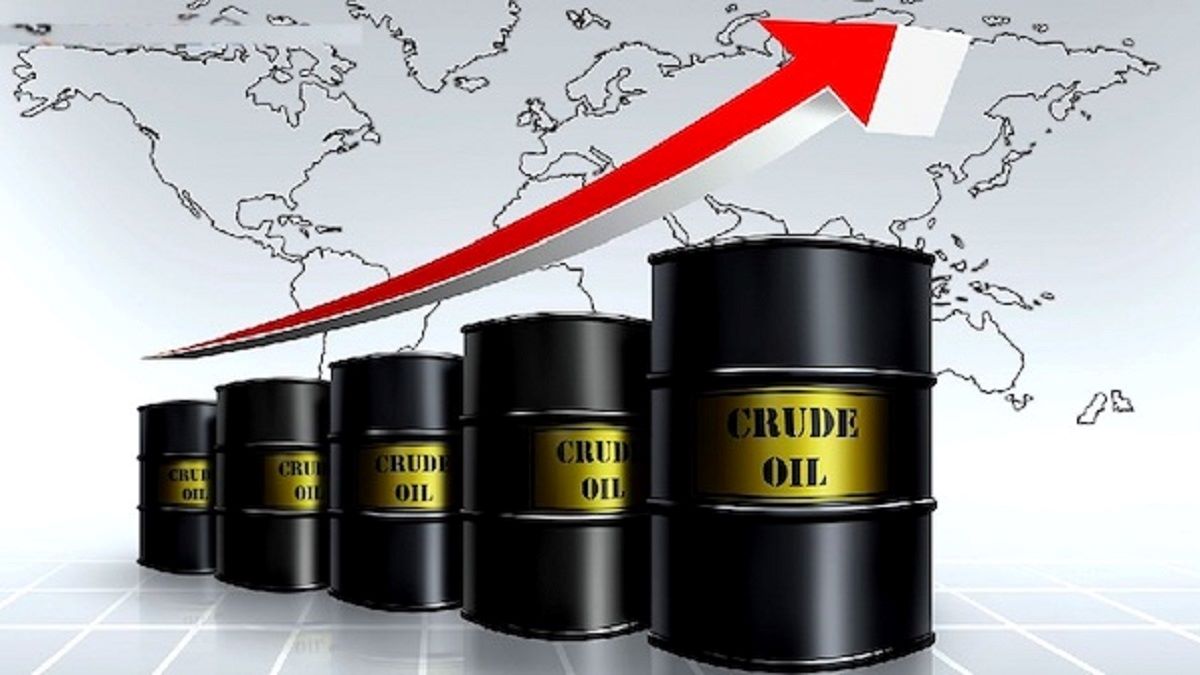
Global oil prices surged again during trading on Friday (October 23, 2026), as escalating tensions in the Middle East fueled concerns over potential disruptions to global energy supplies.
Brent crude rose 1.2% to US$114.57 per barrel as of 18:38 WIB (Western Indonesian Time), having earlier touched US$115 per barrel—its highest level since May 4. Meanwhile, West Texas Intermediate (WTI) climbed 1.5% to US$100.95 per barrel. These gains put Brent on track for its third consecutive weekly increase, up approximately 4.2%, while WTI remains on course for a weekly decline of 0.5%. The price rally was primarily driven by growing fears of an escalating conflict between Saudi Arabia and the Houthi group in Yemen, which could potentially disrupt oil distribution from a key global energy-producing region.
Tensions intensified following reports that Saudi Aramco ordered the evacuation of its headquarters in Dhahran, near Bahrain, on Thursday, amid a deteriorating regional security situation. The conflict between the Iranian-backed Houthi group and the Saudi-led coalition has returned to the spotlight as fighting spread toward the Bab el-Mandeb Strait—a vital shipping lane connecting the Red Sea to international trade routes. UBS analyst Giovanni Staunovo noted that the market remains concerned about a potential expansion of the conflict, which, in a worst-case scenario, could trigger more significant disruptions to oil supplies. Instability in shipping and rising tanker transport costs have further tightened energy market conditions, providing additional upward pressure on crude oil prices.
Market participants are now closely monitoring the extent to which the Middle East conflict might impact oil production and shipping activities, particularly along strategic energy trade routes. Newsmaker Conclusion
The rise in Brent crude to US$115 per barrel indicates that geopolitical risks remain the primary driver behind the strengthening of global oil prices. The conflict between Saudi Arabia and the Houthi group has heightened concerns regarding the security of energy trade routes, particularly in the Red Sea region.
From a fundamental perspective, high shipping costs and the threat of supply disruptions are likely to keep oil prices elevated in the short term. However, any further increases will depend on the actual extent of disruptions to oil distribution.
Market impact: Persistently rising oil prices could exacerbate global inflationary pressures and reinforce expectations for a high-interest-rate policy from the Federal Reserve. Such conditions may bolster the US dollar, while posing a challenge for gold due to the potential for rising bond yields.
For Indonesia, the surge in global oil prices carries the risk of increasing energy import costs, while also placing additional pressure on the rupiah and domestic production costs.
Source: Newsmaker.id