
Trending
Global & Economy
Source: Newsmaker.id
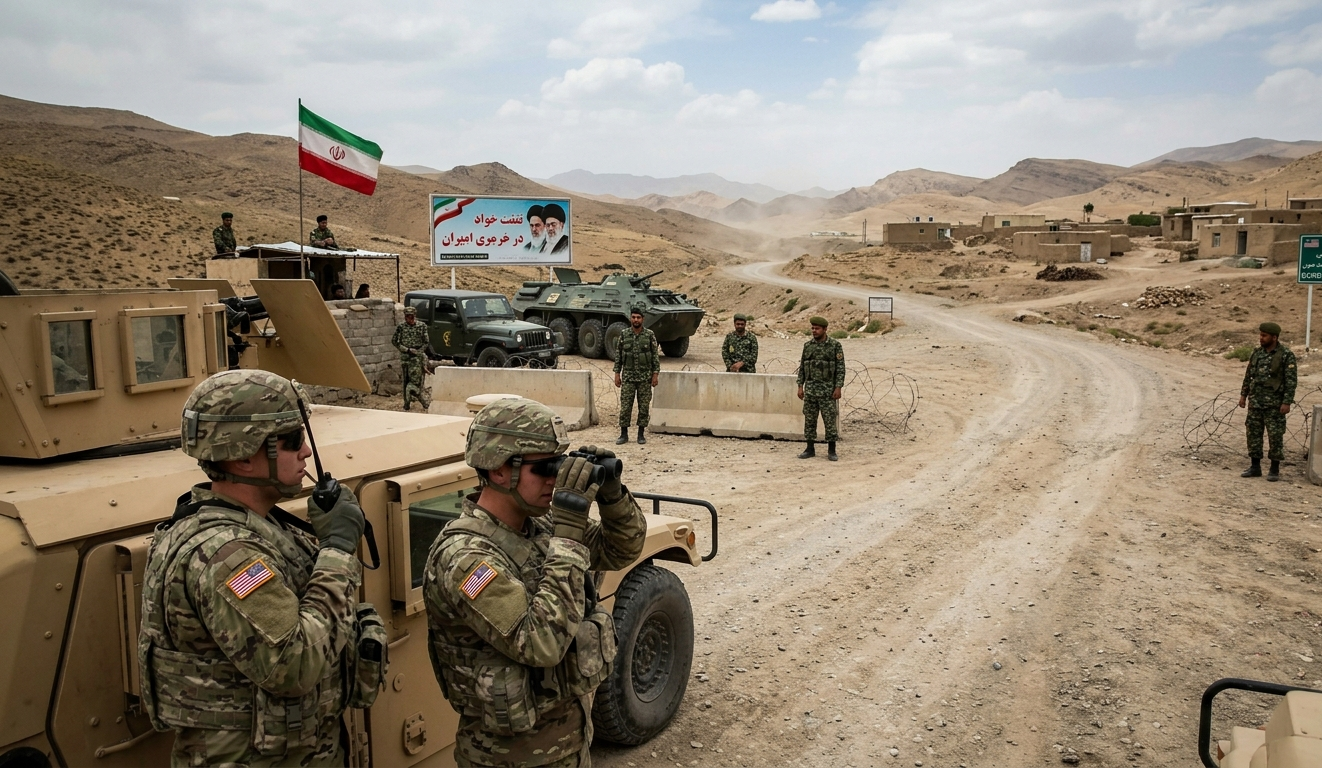
Iran has once again offered to reopen the Strait of Hormuz to the United States within seven days. Iranian Foreign Minister Abbas Araqchi stated that the proposal remains on the table, having been introduced in mid-September. According to Tehran, a clear path exists for the reopening of the strait, provided that Washington is willing to meet the conditions set forth by Iran.
Iran’s proposal includes several key demands, such as the lifting of the U.S. blockade on Iranian ports and the removal of sanctions on Iranian oil exports—measures intended to address the ongoing regional conflict. Iran asserts that if Washington fulfills these requirements, the Strait of Hormuz could be reopened in approximately six days, with further discussions to follow the next day.
However, the negotiation process faces significant hurdles. Iran reports that talks have stalled because Washington has yet to respond to all the conditions presented. A primary point of contention involves U.S. demands regarding Iran’s nuclear program, whereas Tehran prefers that initial discussions focus exclusively on the reopening and security of the Strait of Hormuz.
For its part, the United States has requested that Iran significantly reduce its uranium enrichment capacity. U.S. Vice President-elect JD Vance previously indicated that such steps are necessary to satisfy Washington’s requirements and bring an end to the conflict that has persisted for months.
The Strait of Hormuz is of critical strategic importance to the global energy market; prior to the conflict, it served as a conduit for approximately one-fifth of the world’s oil and LNG trade. Consequently, any developments regarding the reopening of this waterway could have an immediate impact on oil prices, shipping costs, and global energy supply sentiment.
Newsmaker Analysis: Iran’s offer could serve as a catalyst to lower oil prices, should it lead to a formal agreement and the reopening of the Strait of Hormuz. Nevertheless, as long as the demands of Iran and the U.S. remain diametrically opposed, the risk of supply disruptions will stay high. The market is likely to continue attaching a risk premium to oil until there is certainty that negotiations will lead to a concrete agreement and that the safety of shipping in the Strait of Hormuz is fully restored. (asd)
Source: Newsmaker.id