
Trending
Fiscal & Monetary
Source: Newsmaker.id
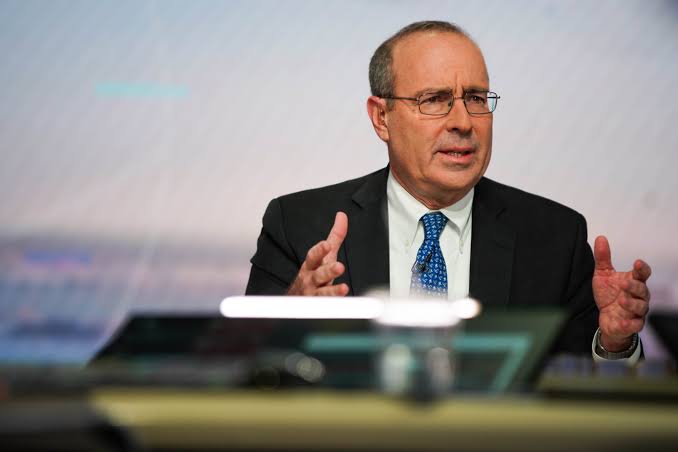
Thomas Barkin, President of the Federal Reserve Bank of Richmond, stated that the Federal Reserve’s current policy direction is quite clear; however, the primary challenge lies in determining the pace at which interest rate adjustments should be implemented. According to Barkin, a gradual approach to interest rate policy is the most appropriate choice under current conditions.
Barkin highlighted that cost pressures are becoming increasingly widespread across the business sector. After years of dealing with high inflation, companies now find it easier to justify price increases as a means of passing rising costs on to consumers. This situation indicates that inflationary pressures have not yet fully subsided.
On the demand side, Barkin noted that consumer spending remains quite resilient, even though incomes have stayed relatively flat. Businesses also report that demand remains solid, with weakness primarily observed in the non-profit and housing sectors.
Investments in artificial intelligence (AI) are also a point of concern, as a surge in AI-related spending is placing strain on supply chains. According to Barkin, this could create demand-pull inflationary pressure—a type of inflation that can be addressed through monetary policy.
Newsmaker Analysis: Barkin’s remarks suggest that the Fed has not ruled out further tightening, though it appears inclined toward a gradual approach. Widespread cost pressures, persistent consumer strength, and demand-driving AI investments are key factors that will need to be considered in determining the future trajectory of interest rate policy. (arl)
Source: Newsmaker.id