
Trending
Global & Economy
Source: Newsmaker.id
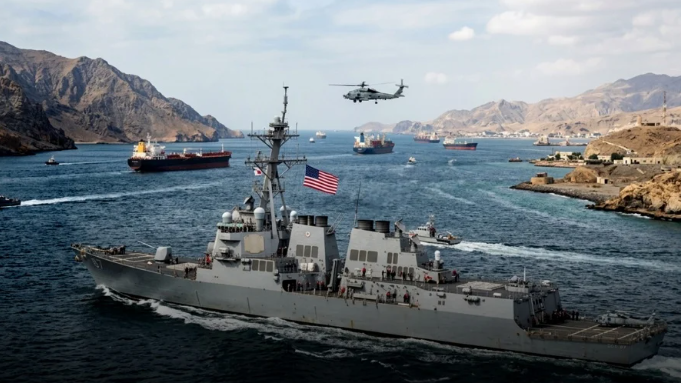
Commodity ship traffic through the Strait of Hormuz remained below average over the weekend, according to preliminary ship tracking data released Monday (September 14). Ship transits dropped to single-digit levels per day, well below the 10-day average of 14 vessels.
Over the weekend, only four vessels exited the Gulf through the Strait of Hormuz. These included one Handysize unloaded, one Handy carrying LPG, one Supramax carrying fertilizer, and one Suezmax carrying crude oil or condensate.
Meanwhile, 10 vessels entered the Gulf, including mini-bulkers carrying minor commodities, Handymaxes carrying wheat, Panamaxes carrying metals, and Supramaxes carrying dry bulk cargo. This figure does not include vessels that may have switched off their AIS transponders to avoid detection.
Tensions in the shipping lanes escalated after a ship was reportedly hit by an unidentified projectile while transiting the Strait of Hormuz on Sunday morning. United Kingdom Maritime Trade Operations stated that the status of the crew, the extent of the damage, and the environmental impact of the incident remain unknown.
Supply risks also increased after Saudi Arabia's East-West oil pipeline was temporarily shut down due to a drone attack from Iraq. This pipeline serves as a crucial route for Saudi Arabia to ease the congestion of oil exports from the Strait of Hormuz, particularly since the Iran war began on February 28.
Before the Iran war, the Strait of Hormuz typically saw around 125 large commercial vessels pass through daily, including tankers, gas carriers, bulk carriers, and container ships. This waterway carries around 20% of the world's daily supply of crude oil and liquefied natural gas, making traffic disruptions in the area a major concern for global energy markets.
Elsewhere, the Bab el-Mandeb Strait remained relatively stable. Twenty-four commodity vessels passed through on Saturday and 27 on Sunday, close to the 10-day average of around 27 vessels. However, risks remain as the area is also a key chokepoint for Middle East energy shipping routes.
Newsmaker Analysis: Low shipping traffic in the Strait of Hormuz suggests that oil supply risks have not fully abated, although some shipping flows are still operating. If disruptions in Hormuz continue and the Saudi alternative pipeline is again affected, oil prices could potentially maintain a geopolitical risk premium. This could keep Brent and WTI sensitive to news of new attacks, while also heightening concerns about global energy inflation. (asd)