
Trending
Fiscal & Monetary
Source: Newsmaker.id
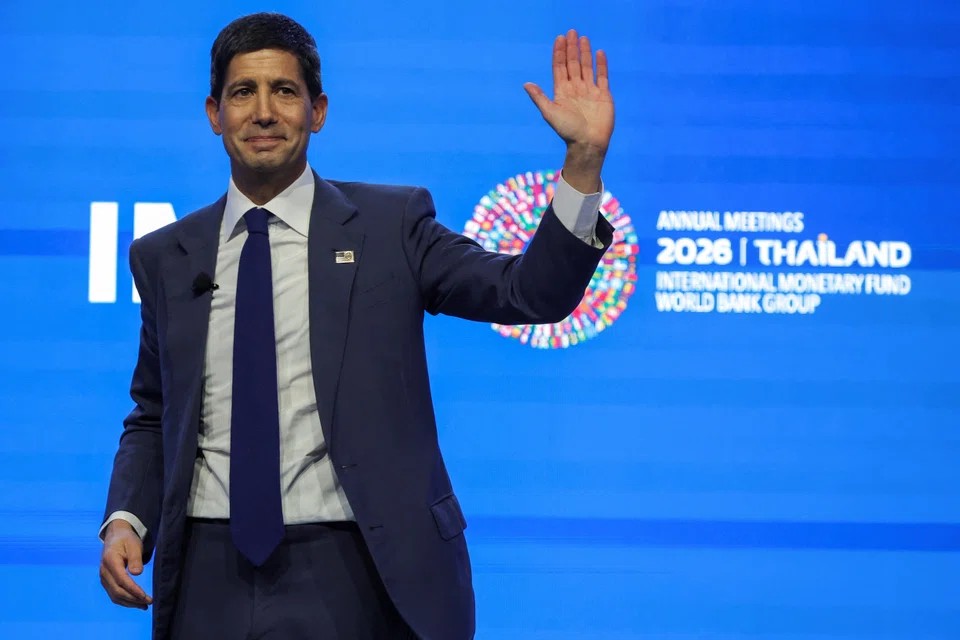
Federal Reserve Governor Kevin Warsh expressed an optimistic outlook regarding the strength of the US economy and the resilience of the global economy, even amid energy-related pressures and a monetary policy stance that remains tight to curb inflation. Speaking at the annual meetings of the IMF and the World Bank in Bangkok on Friday (October 16), Warsh noted that the US economy is receiving a boost from a surge in investment—led by artificial intelligence (AI)—which is beginning to spread to other sectors. However, this increased demand is also exerting upward pressure on inflation.
Warsh identified rising prices as a challenge currently faced by central banks worldwide. He observed that many nations have simultaneously tightened their monetary policies to maintain price stability. Regarding the US, Warsh emphasized that the Federal Reserve has demonstrated its commitment to price stability through an interest rate hike in September, which brought an end to a period of accommodative monetary policy.
Nevertheless, Warsh once again declined to provide any indication regarding the future direction of interest rates. He stressed that he does not wish to preempt decisions made at individual meetings and would not disclose potential actions for the remainder of the year. This stance contrasts with that of several other Fed officials, who in recent weeks have suggested the possibility of further rate hikes—though they have also indicated a desire to review more data to confirm the trajectory of inflation.
These statements from officials have influenced market expectations. Investors now largely anticipate that the Fed will hold interest rates steady at its October meeting, with any potential hike not being considered until December. This expectation persists even as recent inflation data point to price pressures that are higher than anticipated and remain above the Fed’s 2% target.
On another note, Warsh offered a positive perspective on the medium-term impact of AI. He anticipates that the development of AI could ultimately boost productivity and generate greater wealth, though he cautioned that the transition process would be “very bumpy.” In the short term, the impact on employment remains uncertain, as the current surge in investment tends to drive demand before affecting the production side of the economy.
Newsmaker Analysis: Warsh’s remarks signal that the Federal Reserve still views the U.S. economy as robust enough to withstand a tight monetary policy, though he offered no new clues regarding the next interest rate hike. His data-dependent stance suggests that the market considers a rate increase more likely in December than in October. Meanwhile, optimism surrounding AI is acting as a tailwind for economic growth, even as the short-term spike in investment and demand carries the potential to sustain inflationary pressures.
Source: Newsmaker.id