
Trending
Global & Economy
Source: Newsmaker.id
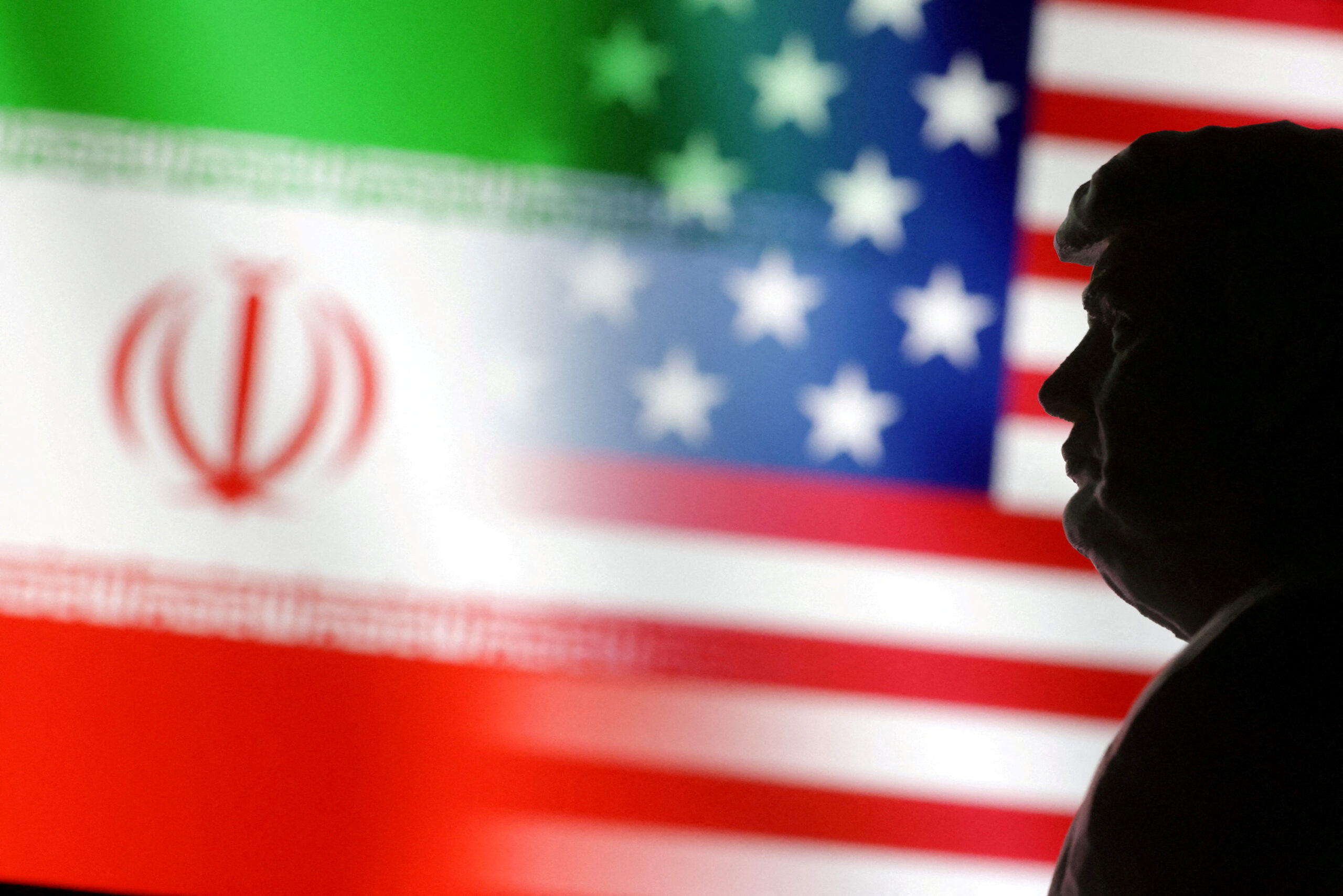
U.S. President Donald Trump received a briefing from the Commander of U.S. Central Command (CENTCOM), Admiral Brad Cooper, regarding potential military actions against Iran. The White House meeting took place as Washington simultaneously weighs options for new strikes and efforts to revive negotiations with Tehran.
Cooper was joined by U.S. Secretary of Defense Pete Hegseth and the Chairman of the Joint Chiefs of Staff, General Dan Caine. The meeting drew attention, as it is rare for Cooper to provide direct briefings to Trump at the White House. However, the meeting does not necessarily indicate that Trump has decided to launch a major new military operation against Iran.
The discussions follow earlier remarks by Trump, in which he suggested the U.S. could launch an operation similar to the one carried out last spring if Iran fails to reach an agreement. Washington has also reportedly asked Arab nations in the Gulf region to prepare for the possibility of a brief but intense military operation following the U.S. midterm elections.
At the same time, diplomatic channels remain open. Vice President JD Vance has reportedly been in communication with senior Iranian officials in an attempt to restart negotiations. Consequently, the Trump administration is currently pursuing a dual-track approach: preparing military options while simultaneously creating space for a resolution through dialogue.
The meeting occurred one day after Vance held talks with military leaders at the White House. This series of consultations underscores that the situation with Iran is a serious focus of U.S. national security discussions, even though no final decision has been made regarding the next steps.
For the markets, these developments are significant; an escalation in the U.S.-Iran conflict could heighten risks to energy supplies and trade routes in the Middle East. Conversely, successful diplomacy could ease geopolitical risk premiums and reduce pressure on oil markets.
Newsmaker Analysis: The market is currently facing two concurrent possibilities—diplomacy that could de-escalate tensions, or a military escalation that could increase risks to energy supplies. As long as Washington has yet to determine its final course of action and communication with Tehran remains ongoing, the prices of oil and safe-haven assets are likely to stay sensitive to any new developments.
Source: Newsmaker.id