Ceasefire Rally Fades, Asian Stocks Retreat as Oil Rebounds
The global stock rally, previously fueled by optimism over a US-Iran ceasefire, began to lose steam after Tehran said several clauses of the agreement had been violated. The renewed uncertainty weakened market sentiment, while oil prices rebounded.
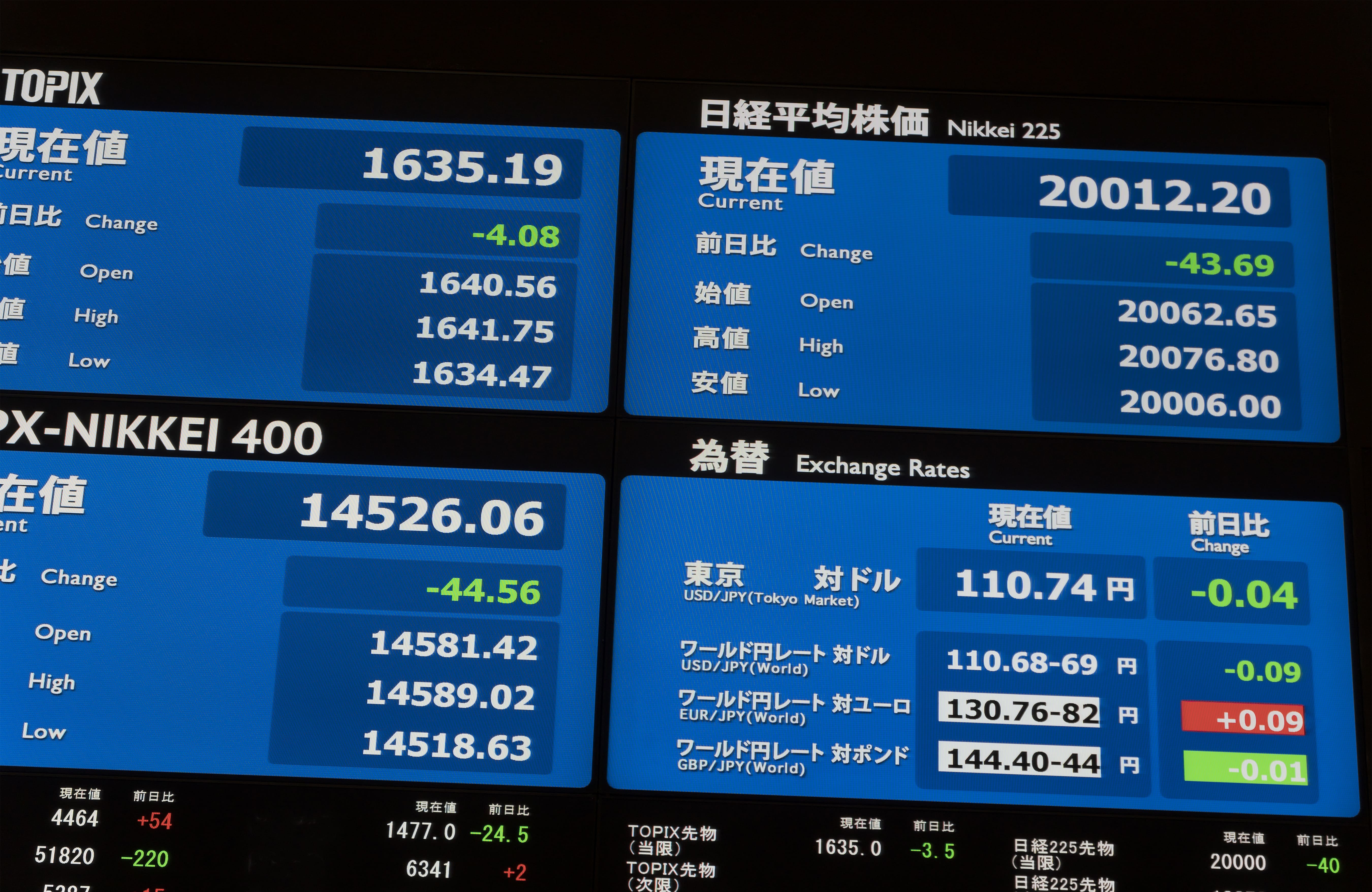
The MSCI Asia Pacific stock index fell 0.4% after Iranian Parliament Speaker Mohammad-Bagher Ghalibaf stated that three clauses of the ceasefire proposal had been violated. The day before, stocks had surged broadly—with Asian indices posting their biggest gains in a year—on hopes the ceasefire would re-establish oil flows and support growth prospects.
Sentiment was also under pressure from Brent, which rose 2.5% to US$97.12/barrel, rebounding from its deepest fall in more than six years. The rapid reversal of movements across assets suggests market confidence remains fragile, amid reports of sporadic conflict, including Israeli attacks in Lebanon, which are feared to disrupt the ceasefire in the nearly six-week-old war and disrupt energy markets by effectively closing the Strait of Hormuz.
Market focus remains on the Strait of Hormuz, which is reportedly still largely blocked. Ship tracking data shows only three vessels were observed exiting on Wednesday, far below the normal rate of around 135 per day, while more than 800 cargo ships are reportedly stuck in the Gulf. Investors believe the market's next direction will depend heavily on adherence to the ceasefire and progress in negotiations, as the risk of escalation remains high despite the apparent easing of tensions.
5 Key Points:
- The global stock rally weakened after Iran said three clauses of the ceasefire had been violated.
- The MSCI Asia Pacific Index fell 0.4%, reversing some of the previous session's strong gains.
- Brent rose 2.5% to US$97.12/barrel, dampening market sentiment after a relief rally across assets.
- Uncertainty increased as sporadic conflicts, including developments in Lebanon, weighed on market confidence.
- The market awaits confirmation of the opening of the Strait of Hormuz; Only 3 ships were observed leaving the port, compared to the normal 135 per day, with over 800 ships stuck. (asd)
Source: Newsmaker.id