Asia Down for 3 Days, Oil Rises
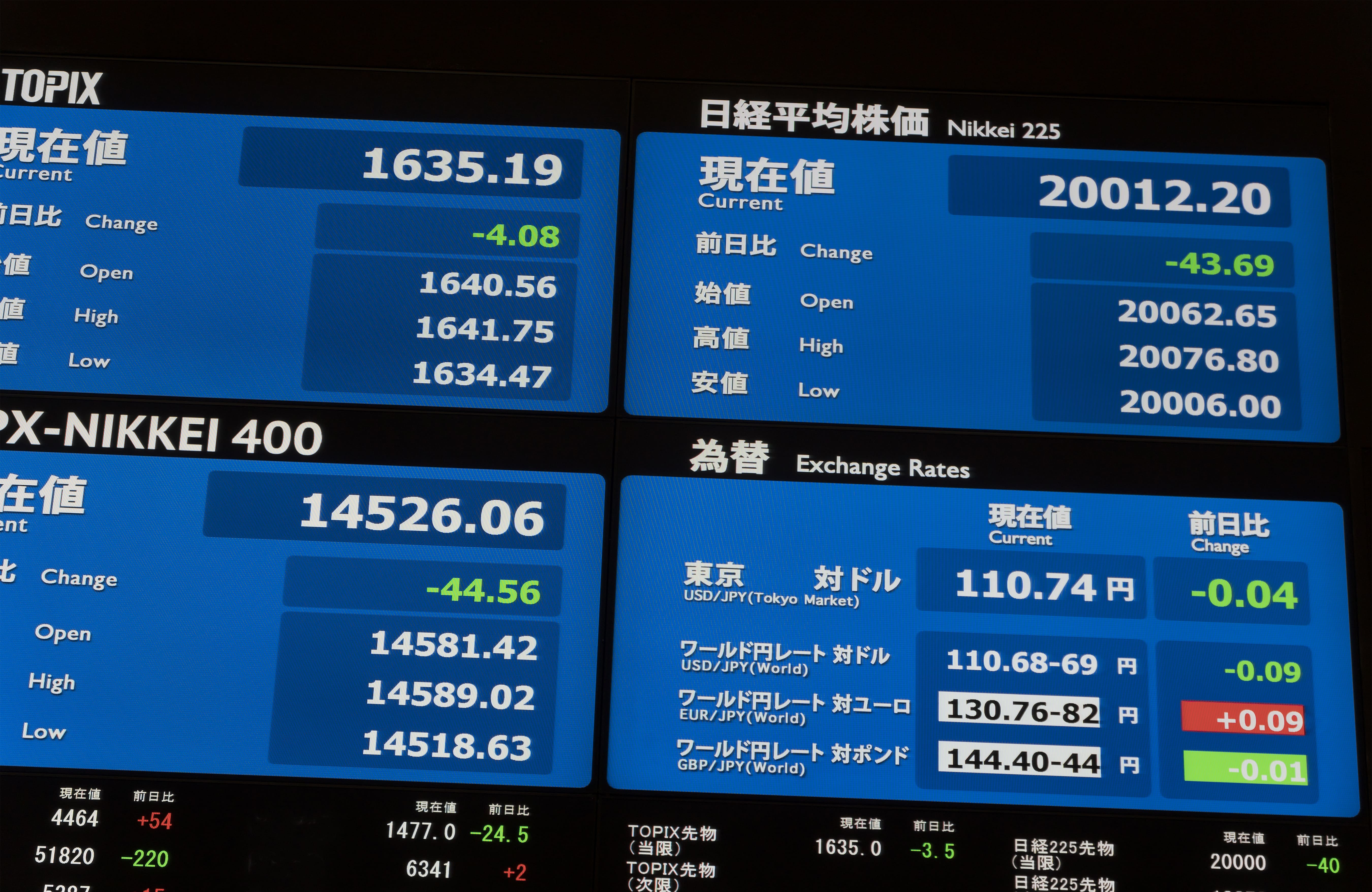
Asian markets continued their decline for a third day, while oil prices edged higher as the war in Iran was seen as potentially triggering a global inflation shock. Consequently, traders began to reduce bets that the Federal Reserve would aggressively cut interest rates this year.
The MSCI Asia Pacific Index fell around 1.6%, with opening losses in Japan, South Korea, and Australia. Pressure to ease some of the losses stemmed from the recovery in the US session, following President Donald Trump's statement that the US would help secure shipping lanes in the Strait of Hormuz. However, the US benchmark index still ended down around 1%.
In commodities, WTI rose by around 1.2% on Wednesday, helped by hopes that crude oil would still flow through Hormuz. Trump stated that the US would escort and insure tankers and other merchant vessels passing through the world's most important energy chokepoint to prevent a supply crisis.
Gold rose around 0.5% to near $5,110, rebounding after a sharp plunge in the New York session. Meanwhile, the 10-year Treasury yield rose to around 4.06% and the dollar strengthened for a second straight day—a combination that confirms the market is moving quickly from one headline to the next.
The US-Israel vs. Iran conflict is said to be increasingly roiling the Middle East. Israel launched a new wave of attacks on Tehran, while Iran fired missiles at Qatar, Bahrain, and Oman. Qatar and Iraq reported production outages at several major energy facilities—heightening market concerns about energy supplies and logistics channels.
The Asian spotlight was on South Korea: the Kospi index plunged around 4.5%, extending the previous day's massive crash, while gaining slightly after briefly falling to its weakest level since 2009. In Europe, natural gas surged to a three-year high, fueling concerns that LNG competition could also push up prices in Asia.
Markets are becoming increasingly sensitive as rising fuel costs—particularly diesel for transportation, electricity, and heating—can push up transportation costs and prolong inflationary pressures. Therefore, futures traders have begun to trim expectations for a Fed rate cut, with interest rate spreads indicating a delay if oil prices rise sharply and sustainably.
Several analysts believe that if the conflict that keeps oil prices at $90–$100 for an extended period, it will pose a significant economic drag. However, if the supply disruption is not prolonged, this conflict is not considered to have necessarily ended the stock bull market cycle, although the risk of a correction remains open due to the high escalation. (Asd)
Source: Newsmaker.id