Hong Kong Markets Wary of Geopolitical Risks and China Data
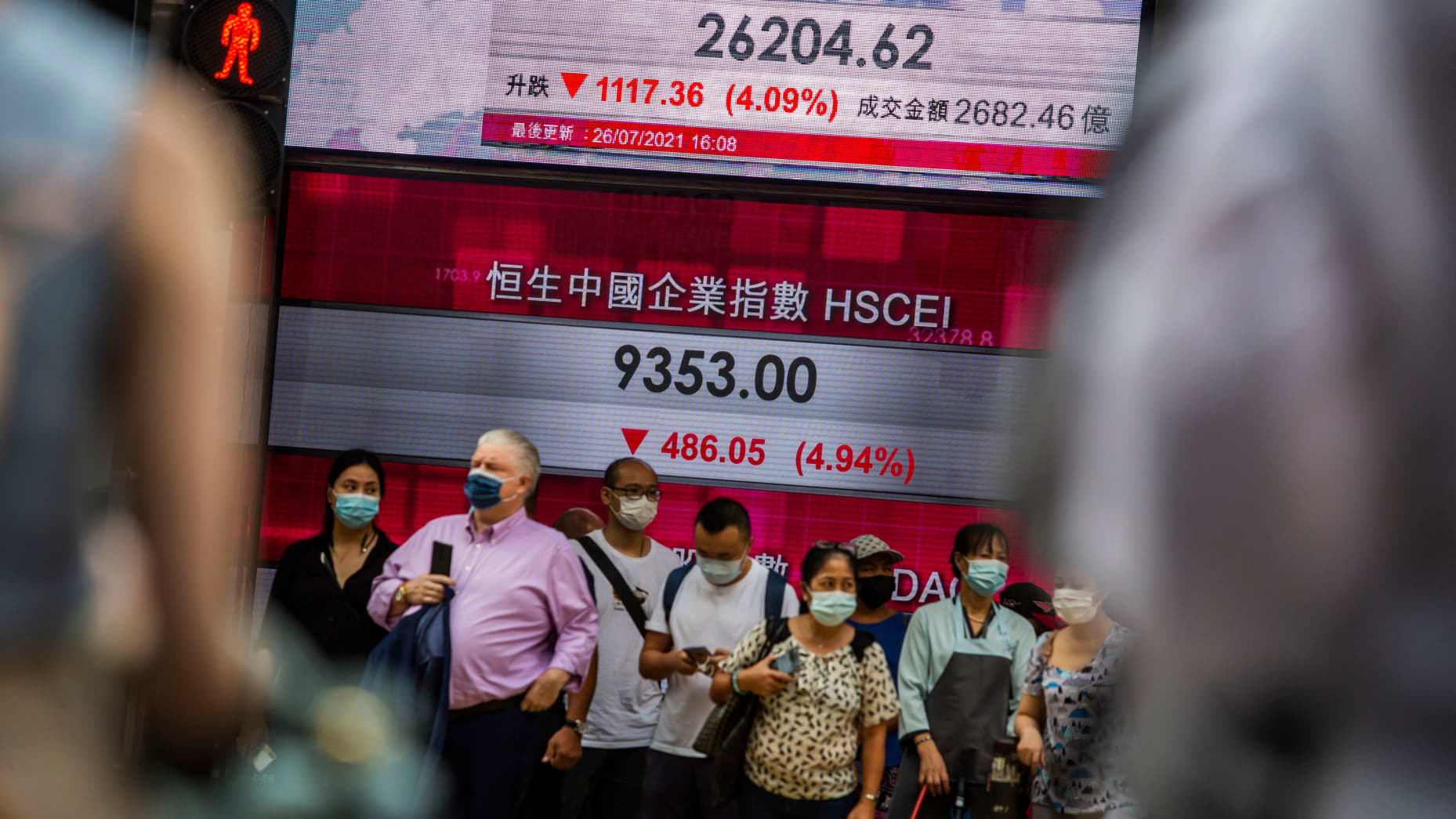
The Hang Seng Index weakened by around 0.6% to 25,749 on Thursday, reversing losses after rallying in the previous session. This movement occurred as Asian markets tended to be cautious amid rising global uncertainty.
Sentiment was weighed down by the fragile situation in the Middle East, which triggered volatility in oil prices. This situation raised concerns that inflationary pressures could persist for a longer period, increasing risks to the economic growth outlook and the performance of risk assets, including equities.
The market is also closely monitoring developments in the Strait of Hormuz, after Iran reportedly took steps to restrict shipping and impose tariffs on this global oil route. Disruptions in this route are seen as potentially putting pressure on energy supply stability and increasing risk premiums in financial markets.
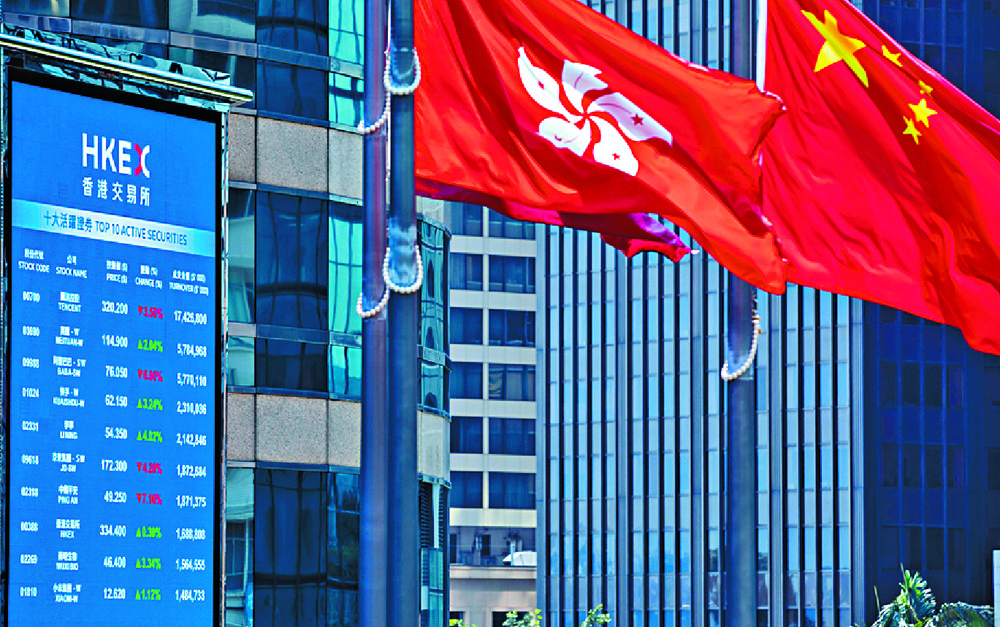
On the agenda, market participants await the release of China's CPI and PPI for March on Friday. Inflation is expected to slow to 1.2% from 1.3%, while PPI is projected to recover to 0.4% after a 0.9% contraction. This data is considered important for Hong Kong stocks as it reflects demand and pricing power in mainland China, which could impact the earnings outlook for China-linked issuers. Several stocks led the early declines, including Sinotruk (-3.6%), Green Tea (-2.8%), Xiaomi (-2.6%), and Kuaishou Technology (-2.9%).
5 key points:
- The Hang Seng fell about 0.6% to 25,749, reversing the previous session's rally.
- Asian markets tended to be defensive amid uncertainty and tensions in the Middle East.
- Oil volatility raised concerns about persistent inflation, which weighed on equity sentiment.
- Additional risks stem from developments in the Strait of Hormuz, which could potentially disrupt global oil supply lines.
- The next focus is the release of China's March CPI and PPI data, which will impact the outlook for China-linked issuers in Hong Kong. (asd)
Source: Newsmaker.id