Fragile Peace, Markets Unsettled
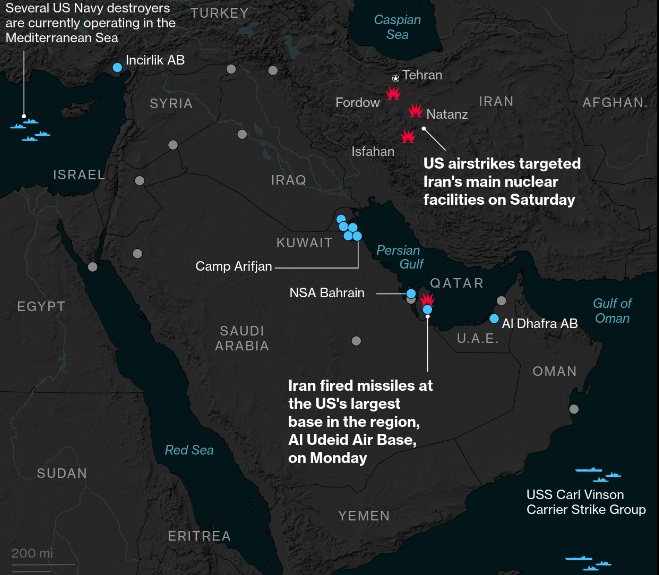
Although the United States and Iran agreed to a two-week ceasefire announced on April 8, 2026, global markets still view the situation as far from completely secure. The primary reason is that conflicts in the region have not yet fully ceased, particularly as attacks in Lebanon are ongoing, creating a new source of concern for investors. This situation has kept gold prices high, as market participants seek a safe haven amidst geopolitical uncertainty.
On the ground, Lebanon remains a major flashpoint. Reuters reported that Israel launched a major wave of attacks on Lebanon on April 8, just hours after the ceasefire was announced, resulting in over 250 casualties. At the same time, Iran believes these conditions make permanent peace talks impossible, while the US government has emphasized that its ceasefire agreement with Iran does not officially cover Lebanon. This means that there are differing interpretations of the agreement's implementation, making the market increasingly cautious.
In addition to the ground conflict, market attention is also focused on the Strait of Hormuz, a vital waterway that handles approximately 20% of global oil and LNG flows. Despite signs that shipping can resume, major shipping companies are still awaiting clarity, as Iran continues to issue stern warnings against ships crossing without coordination. This means the risk of disruption to global energy supplies has not completely disappeared. As long as this route remains unresolved, energy markets will remain sensitive, contributing to gold's appeal as a safe haven asset.
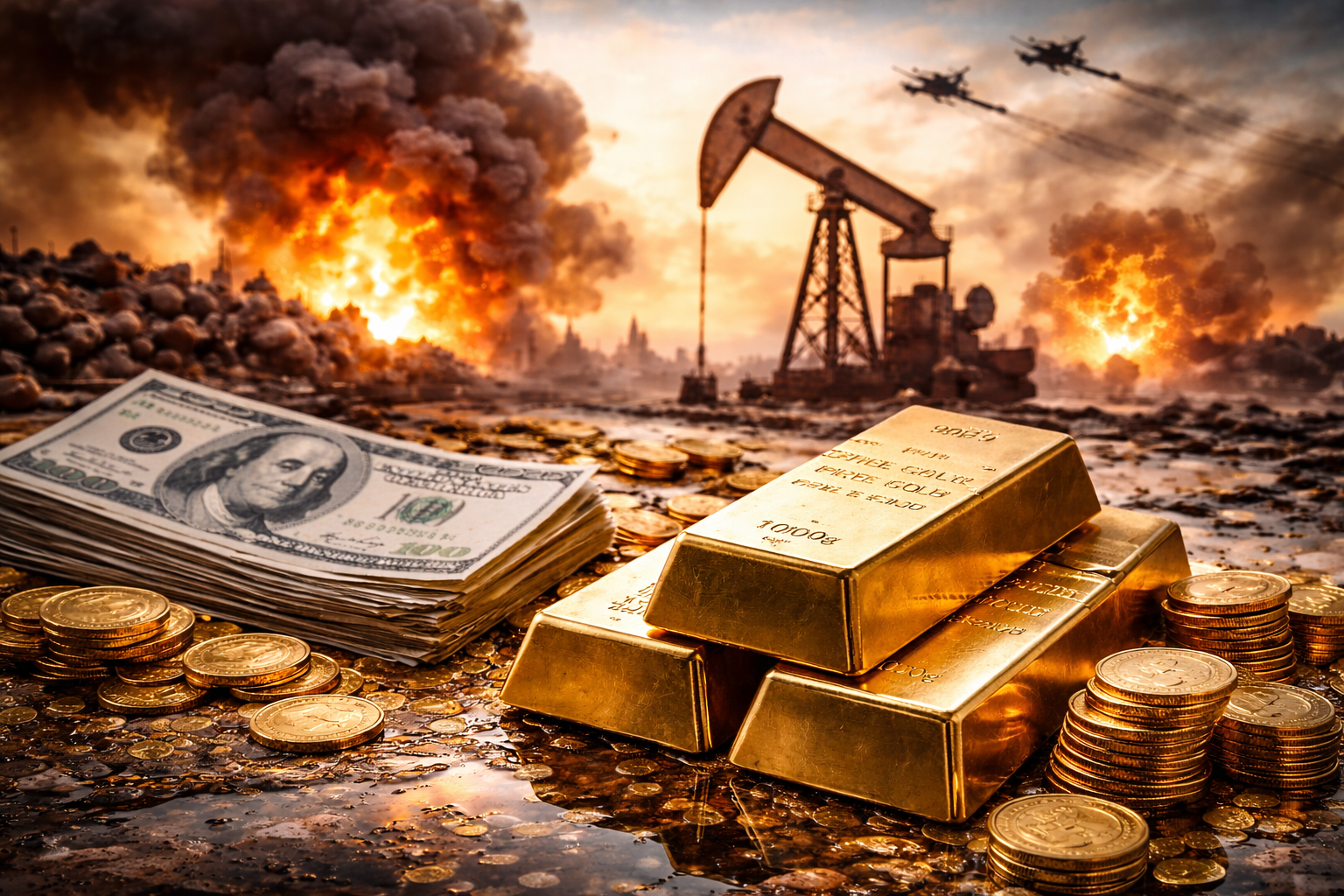
Amidst this situation, gold tends to hold steady, supported by a combination of geopolitical tensions, a weakening dollar, and investor caution. However, gold's rise is not entirely without obstacles. When global stocks strengthen on hopes for diplomacy, some investors may shift funds to riskier assets. On the other hand, the surge in energy prices due to the conflict also increases the risk of inflation, potentially making central banks more cautious in lowering interest rates. This factor could restrain gold's price movement, as it does not provide an interest yield. This is why gold's current price movements tend to be stable and high, rather than surging wildly.
Currently, the market is weighing two main possibilities: first, diplomacy actually resumes and tensions ease; second, the ceasefire fails due to clashes in Lebanon or renewed disturbances in Hormuz. Until there is clarity, investors are likely to maintain defensive positions. In other words, gold still has strong reasons to remain at high levels, oil remains prone to volatility, and the dollar will move according to changes in global risk sentiment and the direction of interest rate policy.
Predictions and market impact: If the ceasefire remains fragile and attacks in Lebanon continue, gold prices are likely to remain strong or even strengthen again due to persistent safe-haven demand. Oil prices have the potential to remain volatile and are likely to receive upward support, especially if traffic in the Strait of Hormuz is disrupted again or the market perceives increased supply risks. Meanwhile, the US dollar could move in a mixed manner: in a panic, it could be sought again as a safe-haven asset, but if market focus shifts to weakening yields and hopes for diplomacy, the dollar could weaken, providing additional room for gold. So, as long as the conflict remains unresolved, the general trend is for gold to remain strong, oil to be volatile with an upward bias, and the dollar to fluctuate depending on risk-on or risk-off sentiment. This is an analytical reading based on recent developments, not a definitive market outcome.
5 key points:
- The US-Iran ceasefire does exist, but its implementation remains fragile.
- Lebanon is still plagued by attacks, so the region is not yet fully stable.
- The Strait of Hormuz has not fully returned to normal, so global energy risks remain high.
- Gold remains supported by its status as a safe haven asset amid uncertainty.
- Oil and the dollar remain highly sensitive to new news from the Middle East. (asd)
Source: Newsmaker.id