RBA Holds Rates at 4.35%; Markets Eye Next Signals
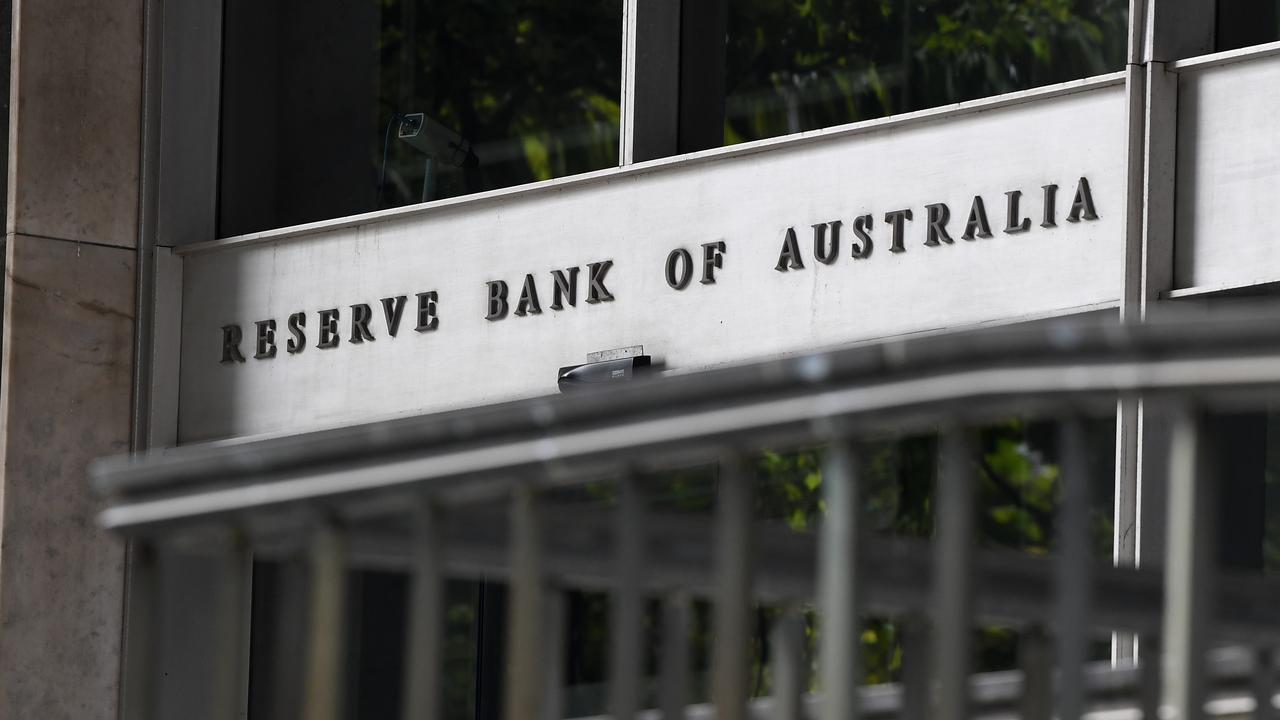
The Reserve Bank of Australia (RBA) maintained its cash rate target at 4.35% during its August policy meeting, in line with market expectations. This decision extends the policy pause following a series of three consecutive rate hikes totaling 75 basis points earlier in the year. Prior to the August decision, the RBA had also held rates at 4.35% during its June meeting.
The decision to hold rates comes as inflationary pressures in Australia show signs of easing, although inflation remains above the RBA’s 2%–3% target range. Lower-than-expected core inflation has reduced the urgency for the central bank to raise rates again in the near term, while a cooling labor market and housing sector provide further grounds for the RBA to wait and observe the impact of previous tightening measures.
With the decision to hold rates widely anticipated, investor attention has shifted to the latest economic projections and the press conference by RBA Governor Michele Bullock. Markets will be looking for clues as to whether the central bank is keeping the option of a rate hike open should inflation re-accelerate, or if it is beginning to view the 4.35% level as the peak of the current tightening cycle. Prior to the meeting, a majority of economists in a Reuters poll predicted that rates would remain at this level through the end of the year.
With inflation softening but still above target, the RBA faces an increasingly complex balancing act between controlling prices and avoiding excessive strain on economic growth. Consequently, today's decision is unlikely to be the primary driver of market movements. Instead, the tone of Bullock's statement regarding inflation and potential future rate changes will be the more decisive factor for the Australian dollar's direction.
Market Impact:
For the AUD, the decision to hold rates at 4.35% is essentially neutral, as it was already priced in by the market. The main focus now is whether the RBA sounds hawkish or dovish.
If Bullock emphasizes that a rate hike remains possible should inflation rise again, Australian yields could rise, potentially strengthening the AUD. Conversely, if the RBA places greater emphasis on weakening inflation, economic conditions, and the labor market—while downplaying the threat of further interest rate hikes—the AUD could come under pressure.
Source: Newsmaker.id