Warsh Appoints Two Senior Economists as Fed Advisors
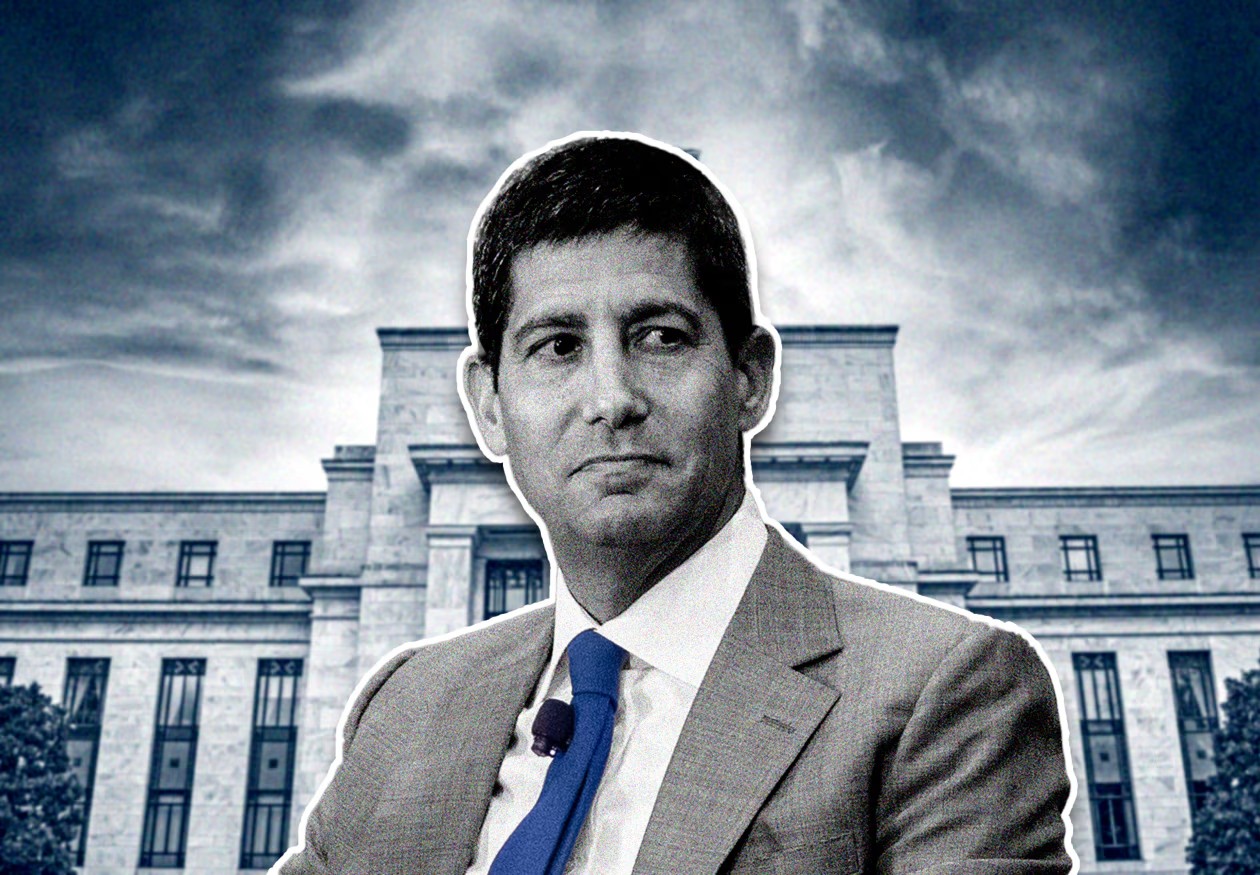
Federal Reserve Chairman Kevin Warsh has appointed two senior economists at the US central bank as his new advisors. This move is part of Warsh's effort to strengthen the Fed's internal team amid a shift in the central bank's monetary policy communication and evaluation direction.
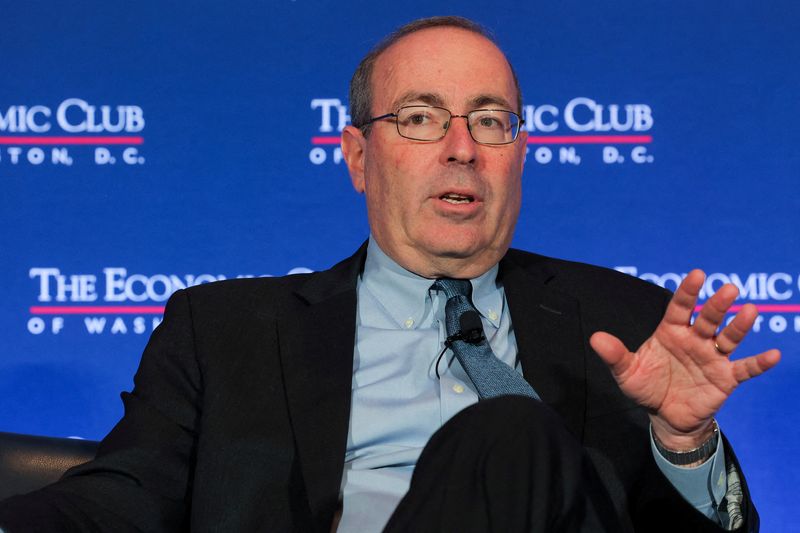
The two appointed economists are Daniel Covitz and Eric Engstrom. Covitz is a deputy director in the Fed's Division of Research and Statistics, while Engstrom serves as an associate director in the Division of Monetary Affairs. Both are experienced economists with long experience working in the central bank.
Covitz's research at the Fed includes asset bubbles and short-term credit market stability. Engstrom's work focuses on financial market analysis, monetary policy, the relationship between stock and bond movements, and the dynamics of corporate earnings and entrepreneurship.
These appointments come as Warsh begins to establish a new working structure at the Fed. This month, he announced five task forces aimed at proposing changes to the way the central bank operates. The task forces will address communication, the balance sheet, the Fed's use of and reliance on existing data sources, productivity and employment, and the central bank's inflation framework.
Warsh said the groups will include outside experts and be supported by Fed staff. This move indicates that the Fed's new leadership wants to review several key aspects of policy decision-making, especially as inflation remains high and markets continue to weigh the chances of interest rate hikes.
In addition to Covitz and Engstrom, Warsh has also appointed conservative policy analysts Paul Winfree and Daniel Heil as interim advisors. The presence of these new advisors signals that Warsh is forming a broader policy circle, with a combination of internal Fed experience and external perspectives.
For the market, these appointments are important because they could influence the direction of the Fed's communication and policy strategy going forward. If Warsh pushes for a more data-driven and cautious approach to inflation, expectations of high interest rates could persist for longer. This could potentially support the US dollar but put pressure on non-yielding assets like gold. (gn)
Source: Newsmaker.id