Iran Attacks Ship, Testing Hormuz Agreement
Tensions in the Strait of Hormuz have escalated again after Iran's Islamic Revolutionary Guard Corps (IRGC) reportedly attacked a Singapore-flagged cargo ship on Thursday. This incident poses a major test for the agreement signed last week between the United States and Iran to end the conflict and reopen the vital shipping lane.
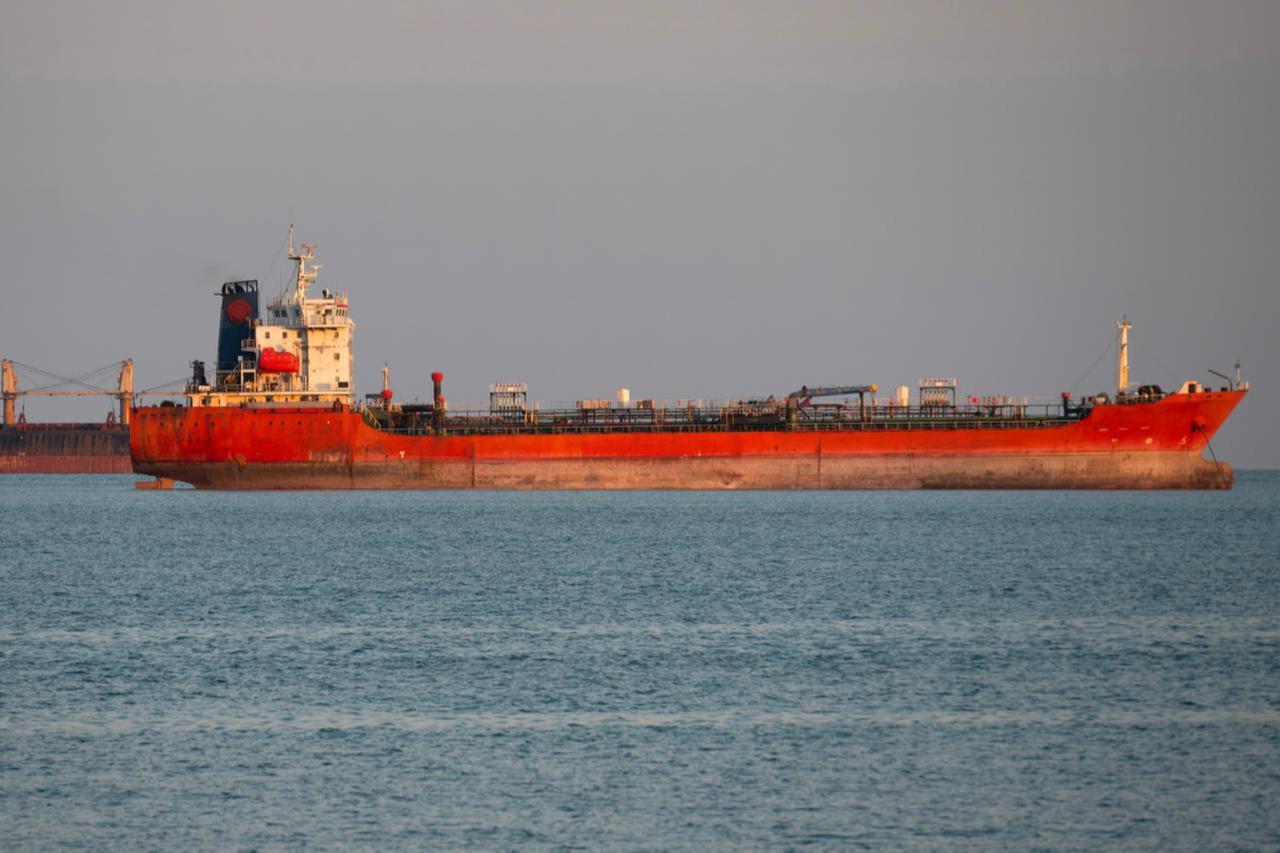
According to two senior United States officials, the attack was carried out on the cargo ship Ever Lovely, which was passing near Oman. A single-track drone reportedly maneuvered to the western side of the ship before striking the vessel. The attack damaged the ship's bridge, but caused no casualties or environmental impact.
This incident occurred just hours after Iran's paramilitary navy warned ships against using shipping routes not approved by Tehran. Iran had previously asserted that safe navigation in the Strait of Hormuz would only be guaranteed if ships followed the routes determined by Iranian authorities.
The attack also prompted the International Maritime Organization (IMO) to temporarily suspend operations to evacuate ships still stuck in the Persian Gulf. IMO Secretary-General Arsenio Dominguez said the temporary suspension was intended to reassure that safety guarantees remained in place for ships on the evacuation list and other vessels in the area.
The previous 60-day agreement between the United States and Iran required Iran to work to ensure the safety of commercial traffic in the Strait of Hormuz. In return, the United States lifted a blockade on Iranian ports and eased restrictions on Iranian oil sales. Washington reportedly even allowed Tehran to sell its oil in US dollars for the first time in decades.
However, this latest attack raises significant questions about the future of the agreement. The White House has not immediately commented on the impact of the attack on the US-Iran agreement. Meanwhile, the Iranian authority established to regulate traffic in the Strait of Hormuz stated that ships passing outside the designated route would not receive safety guarantees or insurance coverage.
Before the attack, shipping traffic through the Strait of Hormuz had actually begun to recover. Ship tracking data showed around 70 to 80 ships successfully passing through the passage on Wednesday, the highest level since the war began. Kpler even recorded 70 ships crossing, more than double the previous day, indicating a return of confidence among shipping companies.
However, the IRGC's warning and the attack on the Ever Lovely further dented market confidence. The ship had previously been carrying cargo from Umm Qasr, Iraq, and was bound for Singapore. Ship tracking data indicates the Ever Lovely had been stuck in the Gulf for more than 100 days before finally attempting to exit via an IMO-coordinated route along the coast of Oman.
At the same time, the IRGC also reported that several tankers using the southern route had been ordered to turn back. Maritime intelligence firm Windward reported that at least five ships had made a U-turn. This situation indicates that although the Hormuz Strait is beginning to reopen, operational and security risks remain very high.
For the global energy market, this incident signals that the geopolitical risk premium has not completely disappeared from oil prices. If shipping traffic is again disrupted, oil supplies from the Persian Gulf could be hampered, pushing oil prices up again. Conversely, if the US-Iran agreement remains in place and shipping routes are secure again, pressure on oil prices could ease.
With these developments, the Strait of Hormuz has once again become a major focus for global markets. The waterway is not only crucial for oil trade but also symbolizes the fragile geopolitical stability of the Middle East. The attack on the Singapore-flagged ship demonstrates that diplomatic agreements still need to be tested in the field, especially as Iran and other countries have not yet fully agreed on who should regulate safe passage in the region.
Source: Newsmaker.id