Fed's Williams: Energy Rise Drives Inflation, Impact Seen as Short-Term
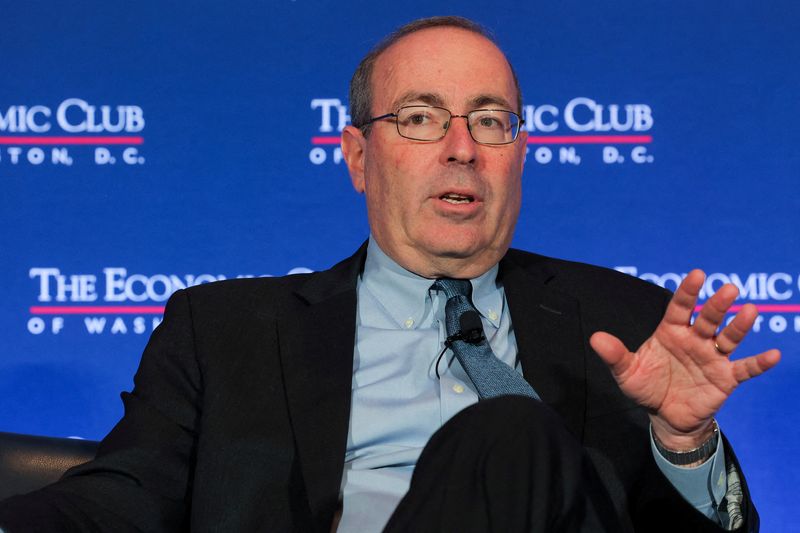
Federal Reserve Bank of New York President John Williams emphasized on Thursday (May 28) that the direction of monetary policy will be determined by data, the outlook, and risks. He assessed that the US economy remains solid and the labor market remains fundamentally healthy, although the war in the Middle East has begun to pressure consumer spending through rising energy costs.
Williams said that some of the increase in US productivity had already occurred before the surge in interest in AI, and that the "dynamism" of the US economy was a key driver of productivity. However, he also emphasized that AI has the potential to have a lasting impact on productivity going forward, a factor that could influence economic capacity and the path of inflation in the medium term.
Regarding inflation, Williams noted that the war in the Middle East is driving inflation, but the energy surge is expected to be short-lived, and the resulting inflationary pressures are likely to peak in the next few months. He added that the impact of tariffs is also expected to peak in a few months, with inflation hovering around 4% and core inflation around 3% in the near term.
Williams emphasized the importance of keeping inflation expectations anchored. He sees short-term inflation expectations as still high, but long-term expectations remain stable. However, he cautioned that supply chain disruptions are a concern and have already occurred as a result of the war.
Regarding interest rate policy, Williams stated that persistently high inflation would require higher interest rates, but he emphasized that current conditions do not yet point to that scenario. For the market, the key message is that the Fed is keeping its options open—but will move based on evidence from inflation data, energy, tariffs, and the impact of the war on consumption and supply chains. (Arl)
Source: Newsmaker.id