Not Peace: Here’s Why the U.S. Suddenly Paused Its Attacks on Iran
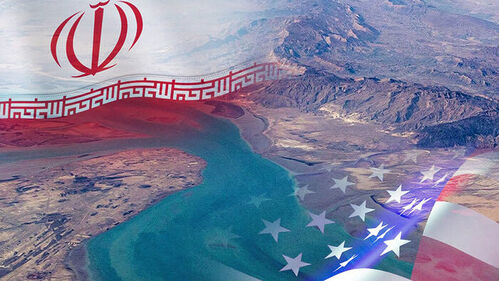
The sudden pause in U.S. attacks on Iran does not necessarily signal that the conflict is over. Instead, the move appears to be a tactical pause, allowing Washington to reassess its military strategy, manage its resources, and create room for diplomatic efforts.
One possible reason behind the pause is that the effectiveness of the military campaign may have started to decline. After nearly two weeks of attacks, the number of high-value targets may have become more limited, while additional strikes could have delivered diminishing military benefits and increased the risk of retaliation.
The United States may also be considering the condition of its defense capabilities. Washington needs to preserve enough interceptor missiles and air-defense systems to protect U.S. military bases, warships, Israel, and regional allies from potential Iranian missile and drone attacks. This means the U.S. must balance its offensive operations with the need to maintain adequate defensive capacity.
At the same time, the pause gives diplomacy a chance to move forward. Oman has played a key role as a mediator, while both sides have reportedly shown signs of restraint. Iran has indicated that it could hold back further retaliation as long as the United States also refrains from launching new attacks.
Economic considerations may also have influenced Washington’s decision. A prolonged escalation near the Strait of Hormuz could disrupt global energy supplies and send oil prices sharply higher. Rising energy costs would increase inflationary pressure, hurt consumers, and complicate the Federal Reserve’s monetary policy outlook.
The market reacted quickly to the pause. Oil prices fell as investors reduced the geopolitical risk premium built into crude prices. The prospect of safer shipping routes through the Strait of Hormuz eased concerns over a major supply disruption.
Gold, however, moved in the opposite direction. Lower oil prices helped reduce inflation fears, weakening expectations that the Federal Reserve would need to maintain an aggressively hawkish policy. This pressured U.S. Treasury yields and the dollar, making gold more attractive to investors.
In addition, geopolitical risks have not completely disappeared. The absence of a formal peace agreement means investors are still seeking protection in safe-haven assets. The combination of a weaker dollar, easing interest-rate pressure, and lingering geopolitical uncertainty provided strong support for gold prices.
Overall, the pause should be viewed as a tactical break rather than a permanent ceasefire. The United States appears to be reassessing the effectiveness of its campaign, preserving military resources, and allowing diplomatic negotiations to develop. However, the possibility of renewed attacks remains open if negotiations fail or Iran resumes its retaliation.
As long as there is no formal agreement over the Strait of Hormuz and a lasting end to hostilities, oil prices will remain vulnerable to a sharp rebound, while gold could continue to attract safe-haven demand.
Source : Newsmaker.id