Warsh Pushes ‘Regime Change’ at the Fed, but the Market Impact May Be Gradual
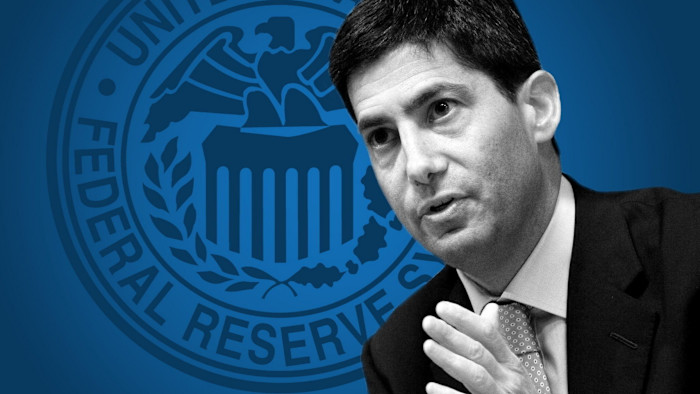
Kevin Warsh is set to take the helm at the Federal Reserve with an ambitious reform agenda, but analysts argue the “regime change” he has signaled is unlikely to show up overnight. Reuters reported Warsh is expected to revisit multiple pillars of the Fed’s framework, including how inflation is assessed, how policy is communicated, and how the balance sheet—now around $6.7 trillion—is managed.
One of the earliest visible shifts could come through communications. Warsh has been critical of heavy reliance on forward guidance and what he views as excessive transparency, raising the possibility of a different cadence or tone in press conferences and messaging. But Reuters noted any changes would be delicate, given the Fed’s communication toolkit is central to global market stability.
Policy constraints may matter more in the near term. Reuters highlighted that US labor conditions remain relatively firm while inflation stays above the 2% target, limiting room for rapid easing. Warsh’s first policy meeting in June could therefore be shaped less by structural overhauls and more by how the FOMC calibrates language around the risk of holding rates higher for longer—or even keeping the door open to further tightening if price pressures broaden.
Warsh has also argued rates could eventually fall even in a tighter-looking macro backdrop, for example if productivity gains linked to AI help cool inflation or if balance-sheet policy is adjusted in a way that changes the overall stance of financial conditions. Still, Reuters’ framing suggests turning that into a durable “new regime” would require research work, internal process changes, and coalition-building inside the FOMC—steps that typically take time.
For markets, the immediate focus is execution rather than labels. Investors will watch for signs of an internal policy review, any changes to forecasting tools such as the Summary of Economic Projections (dot plot), and early moves on balance-sheet normalization. Beyond that, the rates path is still likely to be driven primarily by inflation, labor data, and financial stability—especially in a period when energy and geopolitics can quickly reshape the inflation narrative.
Source : Newsmaker.id