Trump Threatens to Destroy Iran's Energy Assets if Hormuz Not Opened
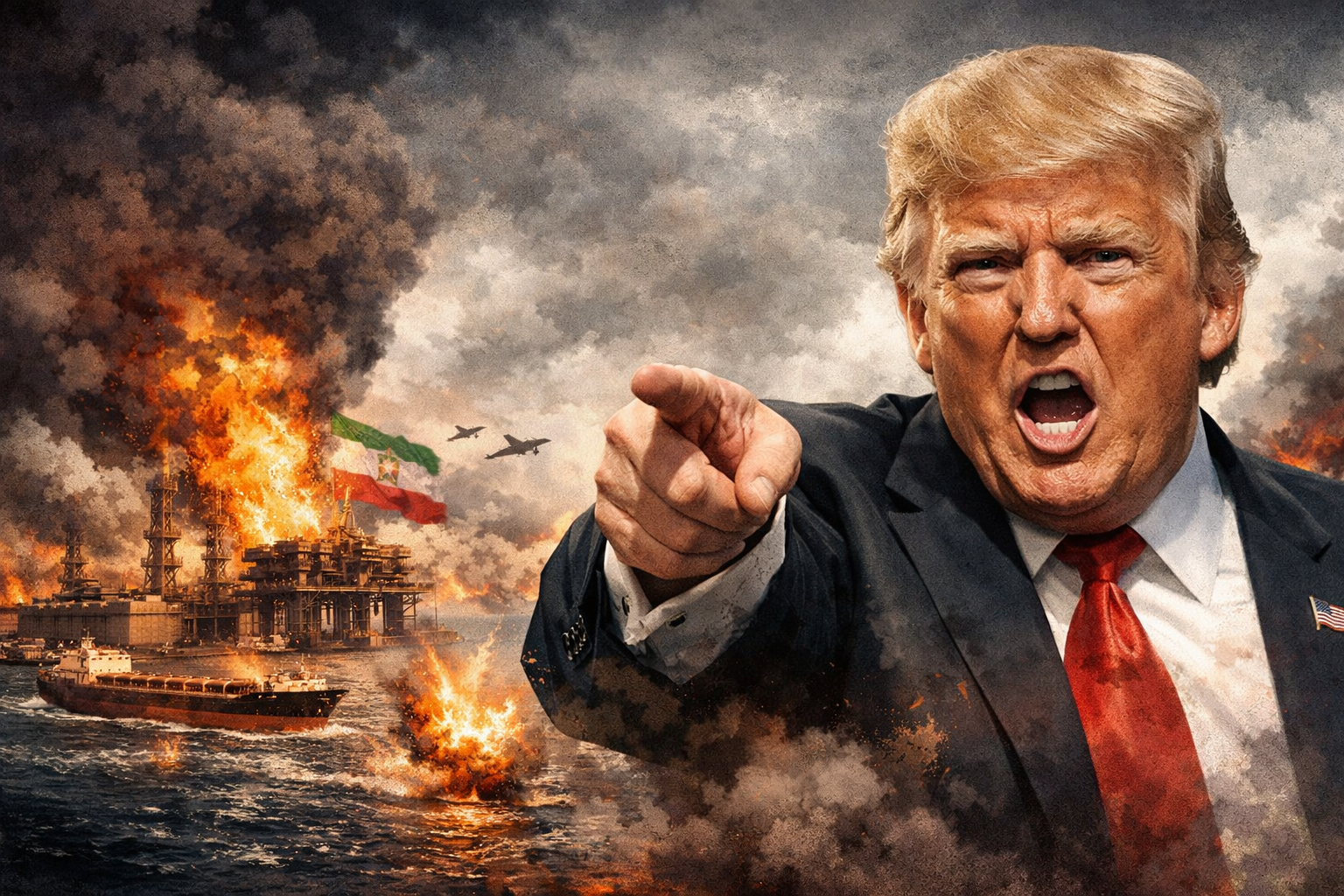
US President Donald Trump again threatened to destroy Iran's energy assets if the Strait of Hormuz is not opened immediately, raising concerns about an escalation in the war, which is now entering its second month. In a social media post on Monday, Trump said the US is "in serious discussions" to end military operations, but warned that if there is no deal and Hormuz remains closed, the US will "blow up and destroy" power plants, oil wells, Kharg Island, and even discussed the option of a desalination plant.
The statement came as Israel and Iran traded missile attacks and the conflict escalated in the Gulf region. The closure of Hormuz continues to be a flashpoint, hindering supplies of energy, fertilizers, and other essential commodities, fueling global cost pressures. On Monday, Brent crude oil surged about 2.5% to around US$115 per barrel, on track for its highest monthly increase.
Military signals are also strengthening. The US military said about 3,500 sailors and marines have arrived in the Middle East aboard amphibious assault ships, while the Tripoli amphibious readiness group has also brought in fighter jets. On the operational front, Israel reported an airstrike against Iran a day after the previous strike triggered a power outage in Tehran and surrounding areas. Iran claimed retaliation against Israel, which reported an attack on the Bazan refinery in Haifa but not on any production facilities. The United Arab Emirates issued a warning overnight, while Saudi Arabia and Kuwait reported interceptions of drones and missiles.
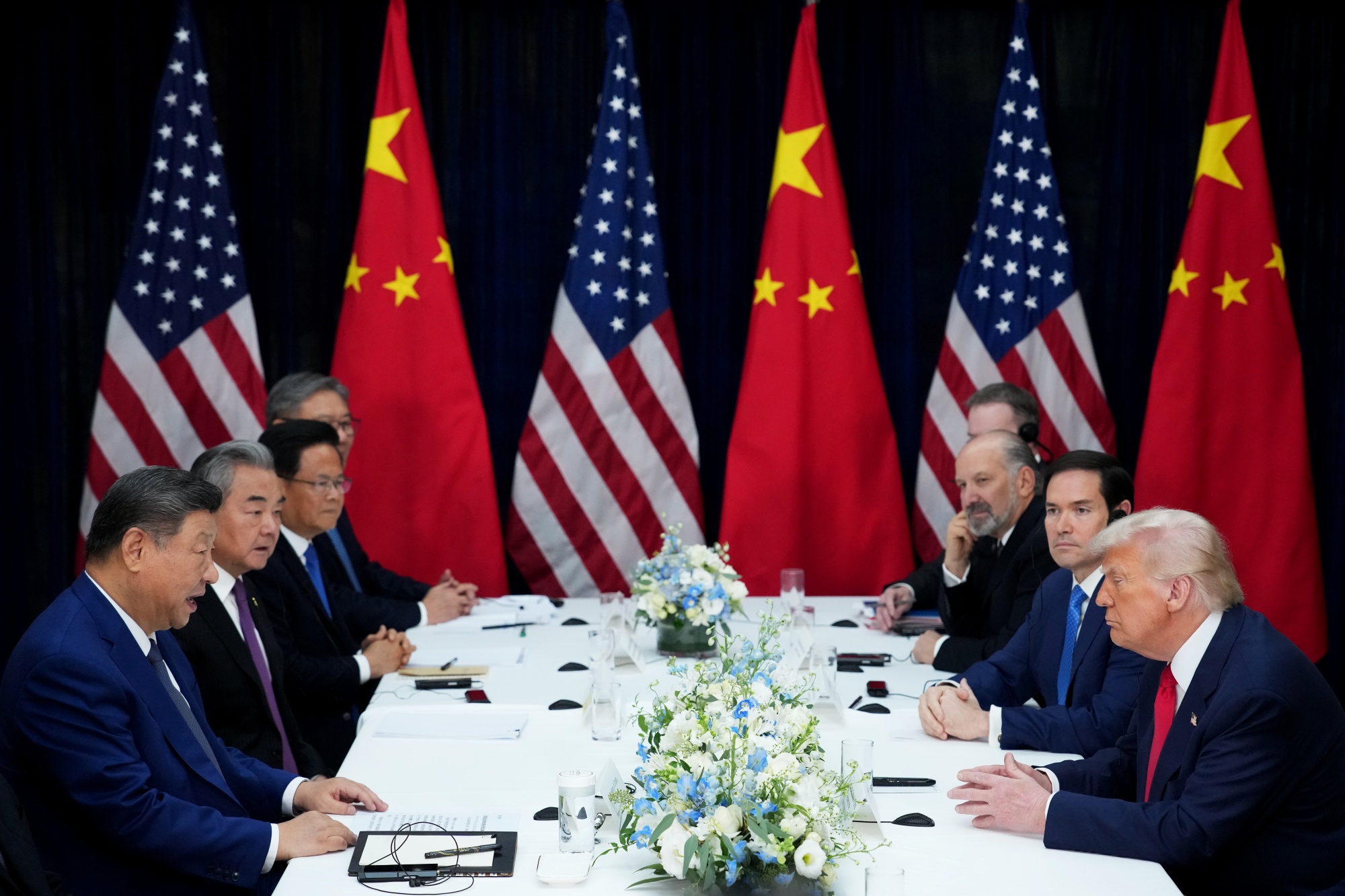
On the diplomatic front, Trump told reporters that a deal was possible “soon” and claimed Iran had “given” most of the 15 US demands, without elaborating. Iran denied the 15-point proposal, calling the 15-point proposal “excessive and illogical,” and put forward a five-point plan that, among other things, demanded compensation for the war and an end to the war on all fronts, including Israeli operations against Hezbollah in Lebanon. The Tehran-backed Houthi group in Yemen also reportedly entered the conflict over the weekend, launching missiles and drones at Israel, adding to the fighting. The death toll is said to have surpassed 4,750, with about three-quarters of them in Iran.
The global economic impact began to be evident with stocks weakening in Asia and emerging markets on Monday, as concerns about a prolonged military campaign could lead to slower growth and faster inflation. The rise in oil prices since the start of the year is said to be approaching 90%, reinforcing the energy inflation narrative. Iran's attacks on aluminum plants in the Middle East over the weekend also added risk to industrial metals markets, raising concerns about price spikes for commodities used in sectors ranging from manufacturing to renewable energy.
Amid the escalation, Pakistan expressed its readiness to facilitate US-Iran peace talks in the coming days after hosting a meeting of the foreign ministers of Saudi Arabia, Turkey, and Egypt. However, uncertainty remains high as Trump's rhetoric fluctuates between claims of a nearing agreement and threats of more aggressive operations, including talk of "capturing Iran's oil" by seizing Kharg Island—which also houses an Iranian naval base.
Causes: Tensions are rising as the Strait of Hormuz remains blocked, cross-border attacks continue, and Washington links the opening of Hormuz to a direct threat to Iran's energy infrastructure, including Kharg Island.
Impact: Energy risk premiums remain high, Brent strengthens, and market volatility increases. Energy inflation risks are strengthening alongside pressure on risk assets, while the potential for the conflict to spread to shipping lanes and industrial commodities adds uncertainty to the global growth outlook. (alg)
Source: Newsmaker.id