Oil and European Gas Surge as Iran Lists Gulf Energy Targets
Oil and European natural gas prices jumped after Iran outlined energy assets across the Gulf that it could target in retaliation for U.S. and Israeli strikes on Iran’s upstream industry, raising the risk of a fresh wave of supply disruption.
Brent climbed as much as 6.3% to a high near $109.95 a barrel on Wednesday, while Europe’s gas benchmark surged as much as 9.3%, according to ICE Futures Europe data. The moves signaled traders are increasingly pricing in not only near-term logistics risks, but also the possibility that restoring production and flows could take longer even after the conflict ends.
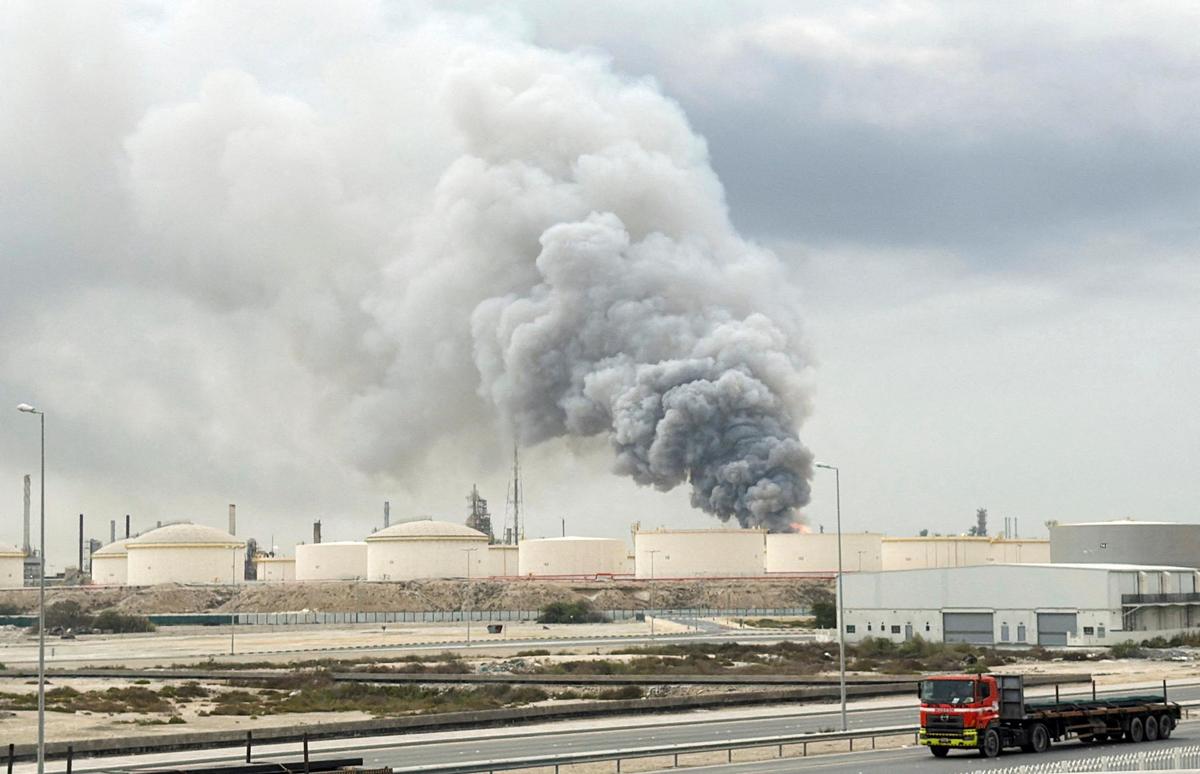
The war has already thrown Middle East energy markets into chaos—choking off shipping through the Strait of Hormuz and forcing cuts in oil and gas production. Until now, however, Iran’s upstream energy system had largely avoided direct hits, limiting fears of escalation that could cause deeper and more lasting supply losses. That changed after Iran’s giant South Pars gas field and related assets were struck, prompting Tehran to warn of imminent retaliation against regional refining, petrochemical, and gas infrastructure.
“The possibility of damage to output has now increased,” said Tom Marzec-Manser, director for Europe gas and LNG at Wood Mackenzie, adding that even if Hormuz reopens, “it could take considerably longer for flows to normalize.”
Since the war began at the end of February, Iran has launched attacks across the region. The fallout has already included reduced oil production in Saudi Arabia, the UAE, Kuwait, and Iraq, while Qatar halted LNG output at the world’s largest plant. South Pars is critical for Iran’s domestic gas supply and exports to neighboring markets such as Iraq and Turkey, and associated oil and petrochemical sites at Asaluyeh were also hit.
Iran’s Islamic Revolutionary Guard Corps said energy sites in Saudi Arabia, the UAE, and Qatar “have become direct and legitimate targets” following the South Pars attack, according to the semi-official Tasnim news agency. The listed sites included Qatar’s Ras Laffan refinery and Mesaieed petrochemical complex, Saudi Arabia’s Samref refinery and Jubail petrochemical complex, and the UAE’s Al Hosn gas asset.
Following the list, Saudi Aramco was reported to be evacuating the Samref and Jubail facilities as a precaution, while other named sites were also said to be taking protective measures. Al Hosn is the former name of the venture operating the UAE’s Shah field, where ADNOC had already halted operations after a drone strike sparked a fire earlier in the week.
“This brings attention back to the physical supply reality of the war — curtailments in energy tighten every day,” said Florence Schmit, an energy strategist at Rabobank.
South Pars is Iran’s largest gas field and reached a record 730 million cubic meters per day of production in 2025, according to Iran’s oil ministry news service Shana—roughly half of Europe’s average daily gas consumption last year. Turkey sources more than 10% of its gas from Iran and could be forced to seek more spot LNG to replace lost volumes, intensifying global competition for cargoes. Iraq also reported its flows from Iran had halted, according to local media.
Insingt Newsmaker: the market is shifting from “war risk premium” to “physical damage premium.” With Iran widening its list of potential targets and producers already cutting output, oil and gas prices are likely to remain elevated and highly volatile until shipping and infrastructure risks materially ease.
Source : Newsmaker.id