Fed Holds Rates Steady, Still Signals One Cut in 2026
Federal Reserve officials left interest rates unchanged and continued to project one rate cut in 2026, while acknowledging that uncertainty has increased due to the war in the Middle East. In their post-meeting statement on Wednesday, policymakers said the economic implications of developments in the region remain unclear and emphasized they are attentive to risks on both sides of their dual mandate.
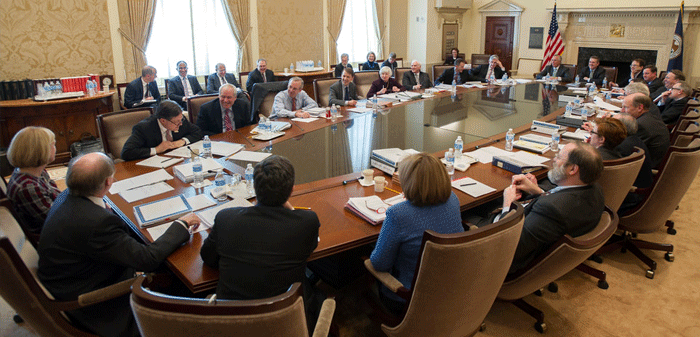
The Federal Open Market Committee (FOMC) voted 11–1 to hold the benchmark federal funds rate in a 3.5% to 3.75% range. Governor Stephen Miran dissented, calling for a quarter-point reduction. This was the second consecutive meeting in which officials kept rates unchanged, even as the macro backdrop has shifted meaningfully since the last gathering.
In January, policymakers had signaled growing confidence that the unemployment rate was stabilizing, and several officials later argued rates might need to stay higher for longer to nudge inflation lower. Since then, a weak February jobs report renewed doubts about labor-market steadiness, while U.S.-Israeli strikes against Iran beginning Feb. 28 pushed global oil prices sharply higher—raising inflation risks and potentially undermining growth and employment.
Reflecting the changing environment, the Fed removed language from its January statement that described the labor market as showing signs of stabilization. Instead, officials said the unemployment rate has been “little changed in recent months,” a shift that underscores a more cautious assessment of labor-market conditions.
Fed Chair Jerome Powell is scheduled to hold a press conference at 2:30 p.m. in Washington, with markets looking for guidance on how the central bank is balancing energy-driven inflation risks against signs of cooling in parts of the economy. Investors have pulled back rate-cut expectations amid the war, though federal funds futures still imply one reduction by year-end. President Donald Trump on Monday called for an immediate rate cut.
In updated rate projections, officials continued to pencil in one quarter-point cut in 2026 and one in 2027, with no policymakers indicating a preference to raise rates this year. They also slightly upgraded their 2026 growth outlook to 2.4% from 2.3% previously, while keeping the unemployment forecast unchanged at 4.4% by end-2026. At the same time, officials lifted their 2026 inflation forecast to 2.7% from 2.4%, and also saw the core measure—excluding food and energy—rising to 2.7%.
Central bankers typically avoid hiking rates in response to energy price spikes because the inflation impulse is often temporary. But that approach depends on longer-term inflation expectations remaining anchored near the Fed’s 2% goal. After years of elevated inflation, some officials have voiced concern expectations could drift higher, even as most survey and market-based measures remain relatively contained.
Powell is also likely to face questions about new developments tied to the Department of Justice’s investigation into the Fed’s building renovation project and what that could mean for leadership transition dynamics. Powell’s term as chair expires in May and Trump has nominated former Fed governor Kevin Warsh to replace him. A key Republican senator, who views the DOJ probe as politically motivated, has vowed to block Warsh’s confirmation while the investigation continues.
Last week, U.S. District Chief Judge James Boasberg threw out DOJ subpoenas targeting Powell and the Fed, citing a lack of evidence, though U.S. Attorney Jeanine Pirro has pledged to appeal—leaving Warsh’s nomination in limbo.
Source : Newsmaker.id