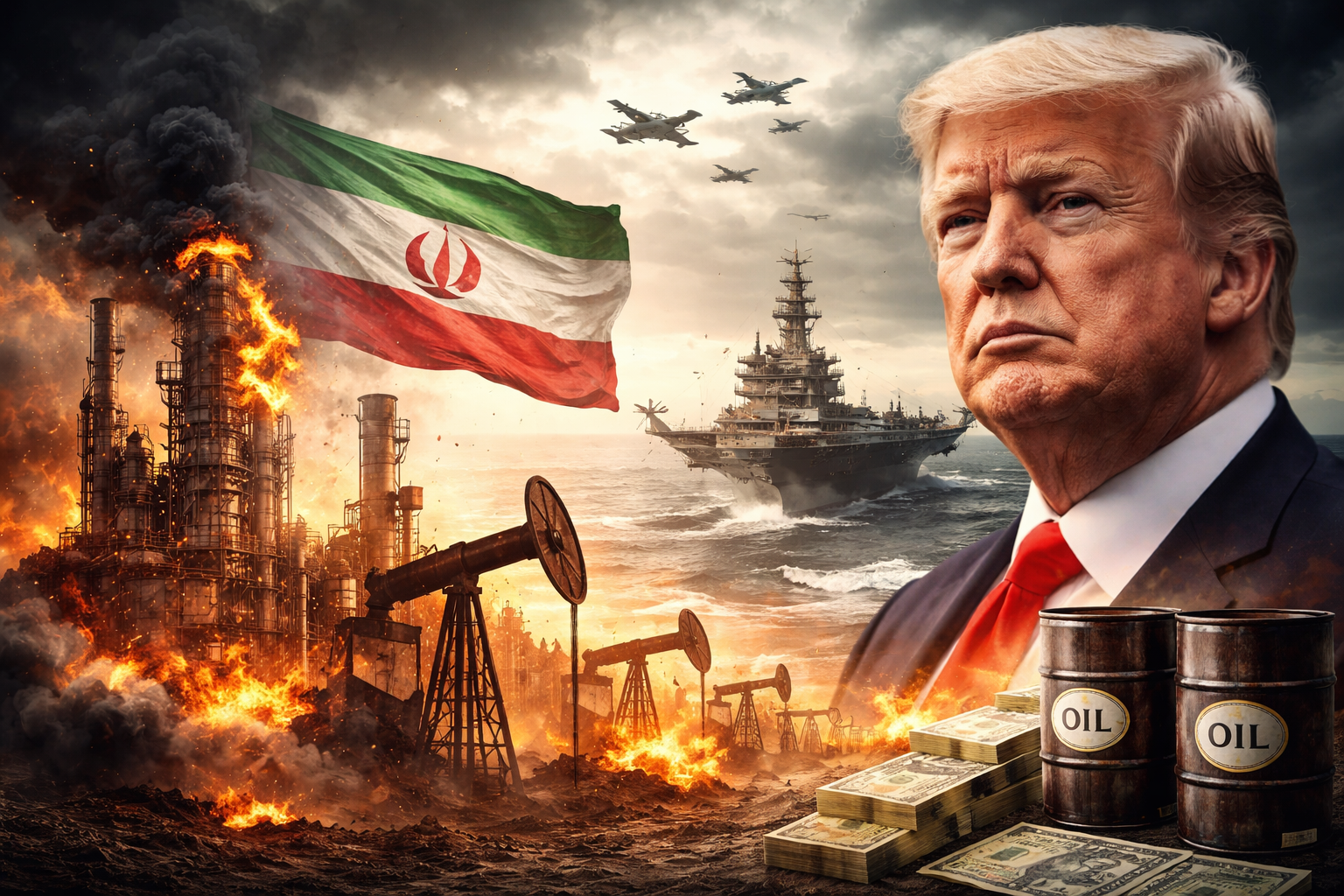
US-Iran Talks Stall, Risking Escalation and Rising Energy Costs
High-level talks between the US and Iran in Islamabad ended without an agreement after a marathon 21-hour discussion. US Vice President J.D. Vance said the main sticking point was Iran's refusal to make Washington's demanded commitments regarding its nuclear program, while Iran considered US demands unreliable.
The impasse highlights a widening gap: the US wants firm nuclear restrictions and maritime security guarantees, while Iran demands more "transactional" terms such as asset releases and broader political conditions. With equally demanding demands, negotiations are likely to become a test of bargaining power, not a forum for quick compromise.
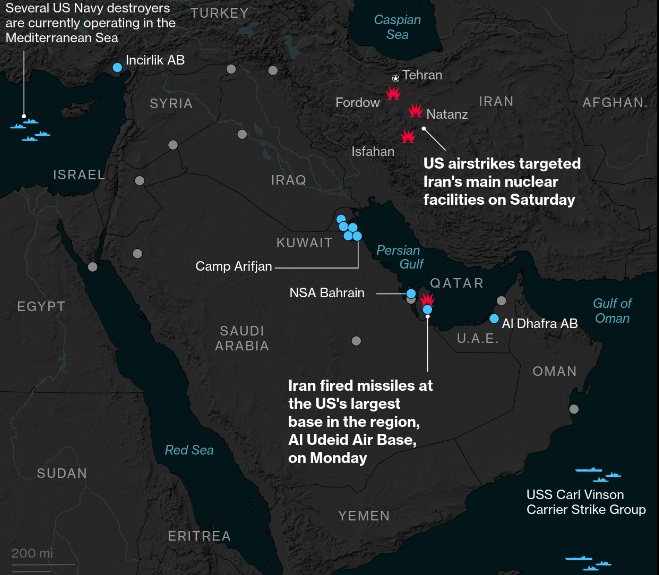
Washington's subsequent moves further exacerbated the situation. The US military announced it would begin a blockade of shipping traffic in and out of Iranian ports starting Monday, but would not block shipping through the Strait of Hormuz if the destination was not an Iranian port.
For markets, the blockade has two messages: it narrows Iran's economic space and signals that the US is willing to increase pressure without completely shutting down global shipping lanes. However, the "limited" design still leaves the risk of miscalculation on the ground, as Iran may perceive blockade enforcement as an escalation, while shipping operators tend to be conservative when regulations change rapidly.
The industry's response demonstrates an immediate confidence effect: some tankers reportedly avoided or changed routes before the blockade was implemented. This means that even before a physical disruption occurs, uncertainty alone can reduce shipping flows and increase insurance and logistics costs.
At the same time, economic pressure is also spreading through tariffs. Trump has asserted that the US is prepared to impose significant tariffs on countries suspected of supplying weapons to Iran, while China denies the accusations. The combination of tariffs and the blockade creates two risk channels: geopolitical in the Middle East and trade friction that could increase global volatility.
Looking ahead, oil could potentially maintain a risk premium as the market views the energy corridor around Hormuz as more vulnerable, especially if tanker flows remain restricted or blockade enforcement triggers an incident. Gold tends to be supported when uncertainty increases and investors seek a hedge. The US dollar could strengthen if safe-haven flows dominate, but could be restrained if the market focuses more on the risks of a global slowdown stemming from soaring energy costs and tariff friction. Therefore, its future direction will depend heavily on compliance with the blockade, Iran's reaction, and signs of reopening diplomatic channels. (asd)
Source: Newsmaker.id