Trump's Hormuz Blockade Pressures Asia, Energy Inflation Risks Rise Again
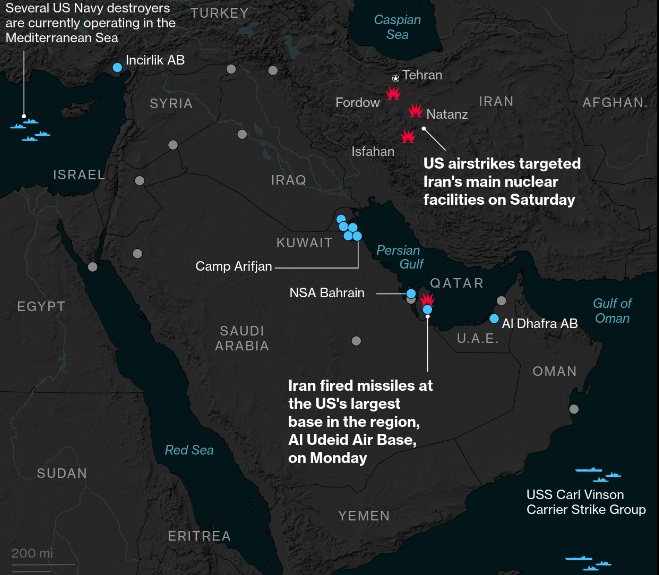
US President Donald Trump's move to block the Strait of Hormuz risks deepening economic pressures on Asian countries heavily dependent on energy imports, including Washington's regional allies and China. Markets believe this policy has revived scenarios of higher energy prices, higher inflation, and slower growth.
Bloomberg Economics assesses that the latest developments are shifting market focus to downside risks to the global economy. The impact was immediately visible in energy markets: Brent crude surged 8.6% on Monday (April 13) to above US$103 per barrel, while European natural gas contracts surged nearly 18% in early trading.
The US Central Command stated that the blockade would go into effect Monday at 10:00 a.m. New York time and would only apply to ships entering or leaving Iranian ports. The announcement came hours after the US and Iran failed to reach an agreement in direct talks in Pakistan, increasing uncertainty over the diplomatic path.
For Asia, the greatest pressure comes from the dependence on supplies passing through Hormuz. Countries such as Japan and South Korea are said to use more than 80% of the energy that normally passes through the strait. Governments in the region are now scrambling to find alternative oil and gas supplies, reduce energy consumption, and prepare measures to mitigate the impact on households and businesses.
The blockade also has the potential to target Iranian-linked vessels as well as vessels from other countries, including China, which have previously continued to transit the waterway. With Trump's planned visit to China in mid-May, Beijing could consider pressuring Washington to lift the blockade. Bloomberg Economics believes one pressure option would be to leverage China's dominance in critical mineral supply chains if necessary.
Going forward, the market will monitor the effectiveness and scope of the blockade's enforcement, Iran's response, and how quickly Asian countries find alternative sources of supply. The direction of oil prices will be a key transmission channel to inflation and interest rate expectations, which ultimately determine risk sentiment in Asian stocks and currencies.
5 Key Points:
- Trump's blockade of Hormuz increases economic risks for Asia, which relies on energy imports.
- Brent surges 8.6% to above US$103; European gas prices briefly rose nearly 18%.
- CENTCOM: Blockade begins Monday at 10:00 a.m. New York time, restricting shipping entry and exit from Iranian ports.
- Japan and South Korea use more than 80% of the energy that normally transits Hormuz; governments are seeking alternative supplies.
- China has the potential to pressure the US ahead of Trump's mid-May visit, including over the issue of critical minerals. (asd)
Source: Newsmaker.id