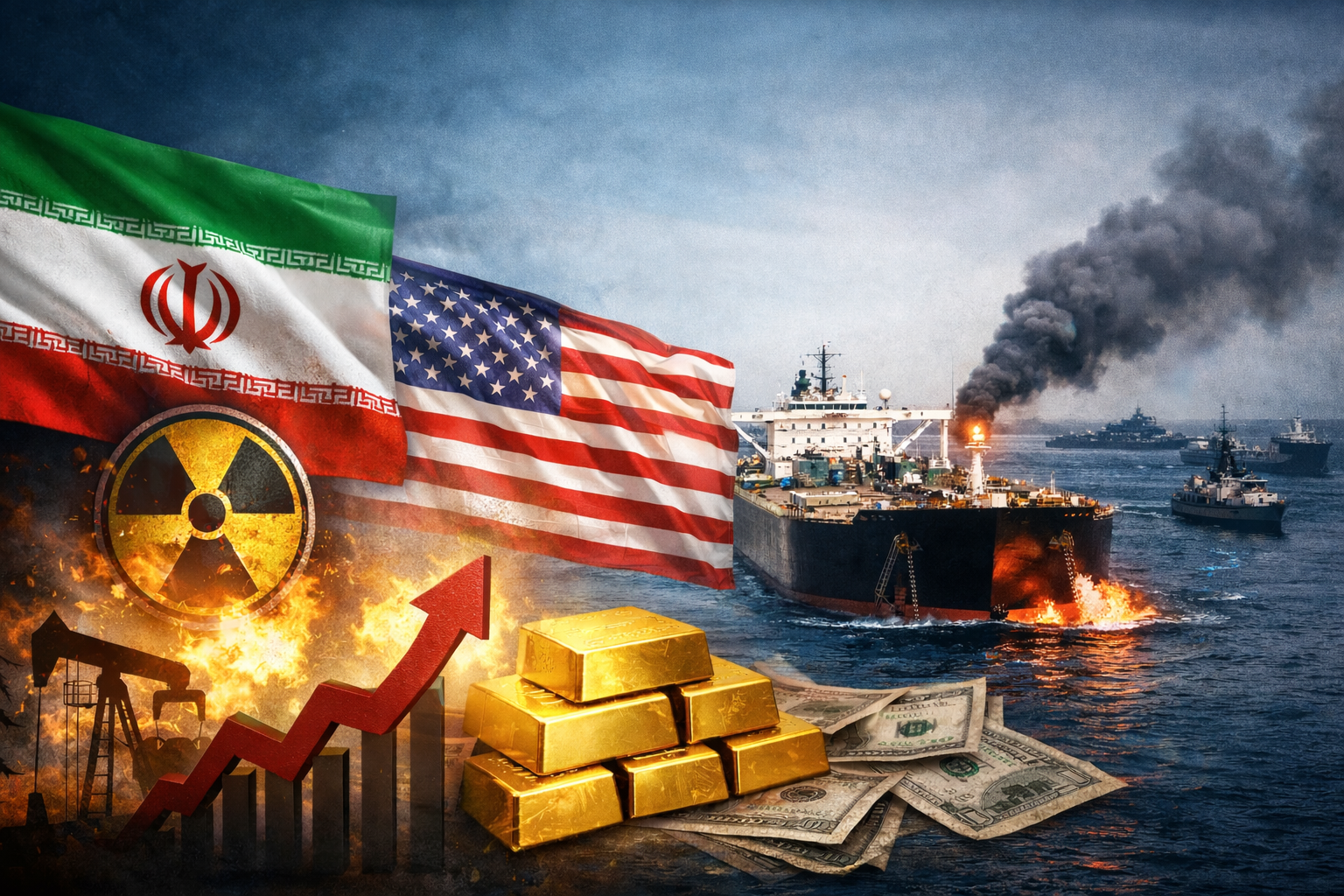
US-Iran Talks Stall, Hormuz Risks Rise Again
High-level direct talks between the United States and Iran held in Islamabad, Pakistan, ended without an agreement on Sunday, April 12, 2026, after approximately 21 hours of deliberations. The US delegation was led by Vice President J.D. Vance, while Pakistan acted as host and mediator amid a fragile regional ceasefire.
The talks came as both sides sought to contain escalation following the conflict in recent weeks, with market attention focused on energy security. The Islamabad meeting was chosen to facilitate direct communication channels, but the outcome was still limited to a "pause" without any breakthroughs.
The main issue discussed was Iran's nuclear program, including US demands that it halt steps deemed to pave the way for nuclear weapons and accept stricter oversight. Vance stated that the deadlock arose because Iran was unwilling to make the commitments the US demanded, while the Iranians considered Washington's position too maximalist and not trust-building.
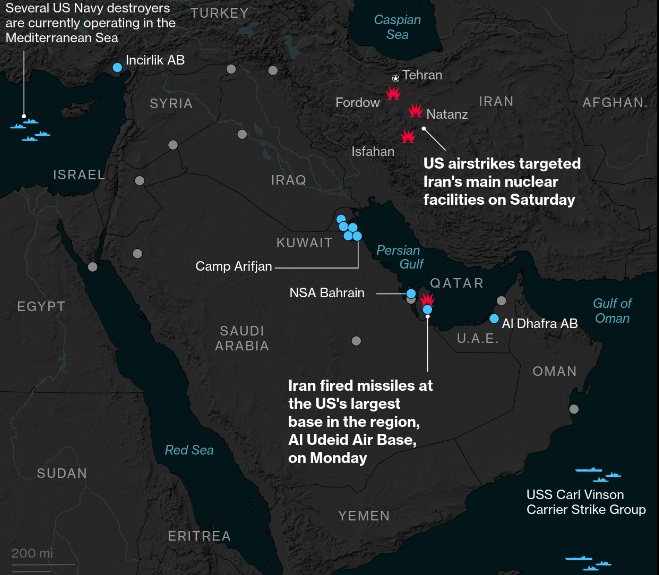
Another major topic was the Strait of Hormuz and the smooth flow of shipping, which is seen as crucial to the stability of global energy supplies. Iran reportedly made demands such as the release of frozen assets and compensation for the attack, while the US pushed for the reopening of shipping lanes and nuclear restrictions as preconditions.
After the negotiations failed, Washington responded with tightened maritime measures against Iran, including a planned blockade of Iranian ports announced to take effect on Monday. This increases the risk of escalation, although some international parties are pushing for an extension of the ceasefire and a resumption of dialogue.
Going forward, the impact on the market is likely to be through the geopolitical "risk premium" channel. The risk of shipping disruptions around Hormuz typically supports oil prices as the market perceives supply as more vulnerable, while gold has the potential to gain support as a hedge against heightened uncertainty. The US dollar can move in two directions: strengthening if demand for safe assets dominates, or weakening if the market focuses on the economic costs of the conflict and policy volatility. Therefore, market participants will be monitoring further signals regarding the extension of the ceasefire, US maritime policy, and the direction of the nuclear negotiations. (asd)
Source: Newsmaker.id