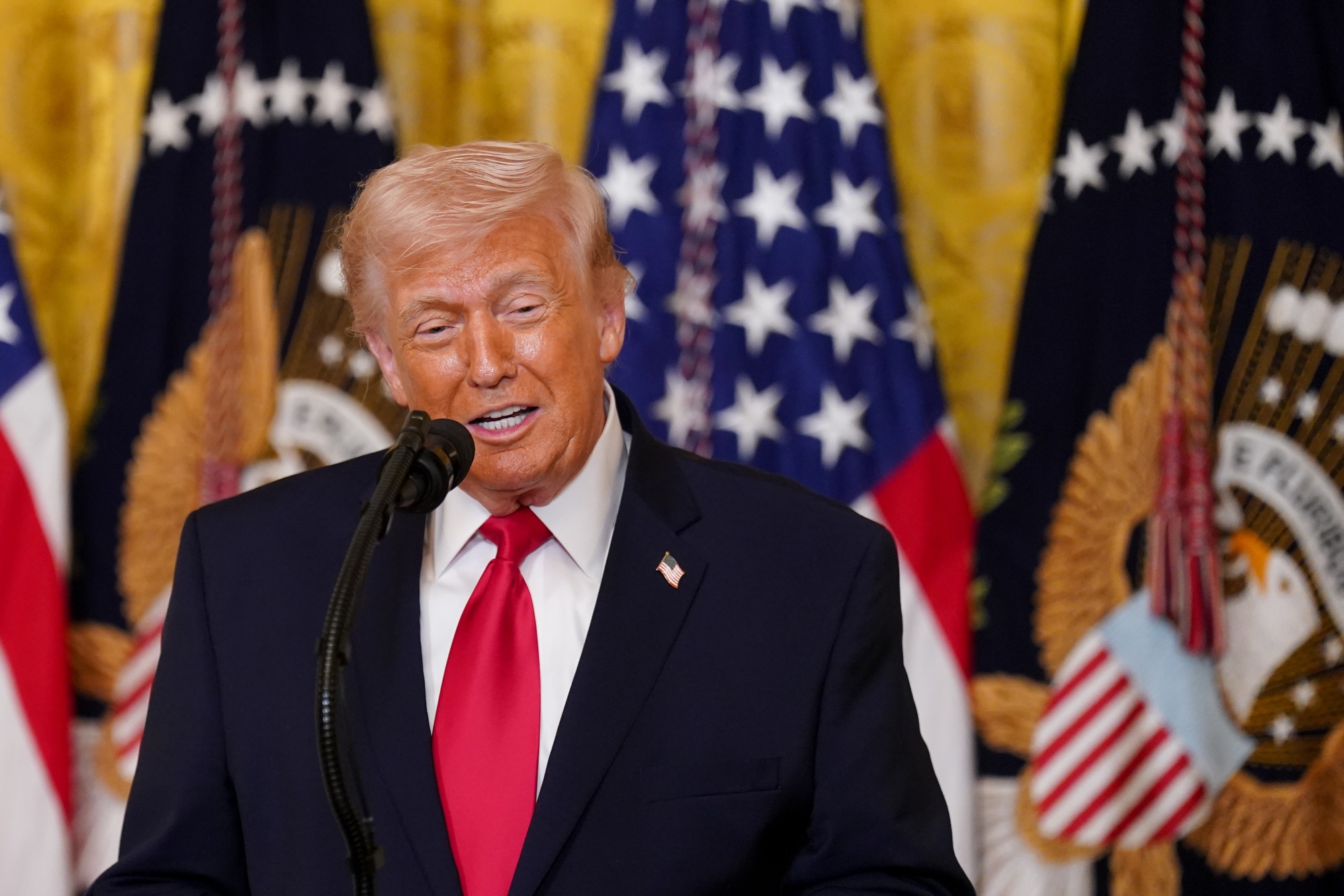
Trump Urges Other Countries to Intervene to Secure Hormuz
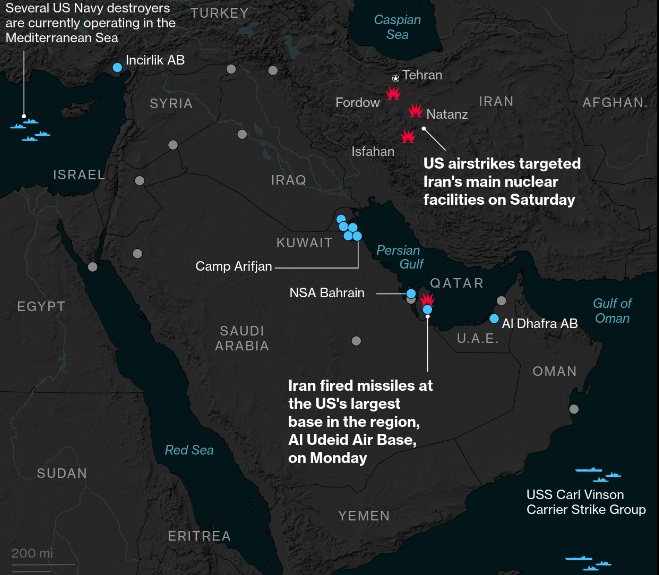
US President Donald Trump said he is “demanding” that other countries contribute to efforts to secure the Strait of Hormuz, amid the closure of the waterway, which he says remains effective for oil tankers. Trump made the remarks to reporters on Sunday aboard Air Force One, without naming any countries.
Trump believes that countries dependent on energy from the region should share responsibility. He said the Strait of Hormuz is a vital energy supply route for many countries, so they “should come and help” maintain the security of the corridor.
He also highlighted China’s role as a major reliance on oil passing through Hormuz. Trump questioned why the US should defend the passage, considering it “more for China and many other countries,” and said Beijing should guarantee the corridor.
Trump said the US is in discussions with “about seven” countries to help ships pass safely, but he did not specify who was involved in the discussions. He mentioned that several countries have assets such as minesweepers or other types of vessels that they believe could help secure sea lanes.
Trump wants this same cooperation to begin "immediately," although he acknowledged that implementation will take time. In this context, reopening the trade route through Hormuz has become a crucial target for the White House, especially after oil prices broke above $100 per barrel.
In a separate interview with the Financial Times on the same day, Trump stated that he could postpone a planned summit with Chinese President Xi Jinping if Beijing did not assist in efforts to reopen the route. He also warned that NATO could face a "very bad" future if member countries did not step in to help in Hormuz.
Looking ahead, the dynamics of Hormuz have the potential to remain volatile. If a prolonged closure or escalation prolongs the disruption to energy flows, the risk of rising oil prices is likely to persist, which could increase hedging demand for gold and support the dollar through risk-off channels and inflation expectations. Conversely, if international coordination accelerates normalization of shipping and eases geopolitical risk premiums, pressure on oil could ease, gold risks losing some of its safe-haven support, while the dollar could weaken as the need for safe-haven assets subsides. (asd)
Source: Newsmaker.id