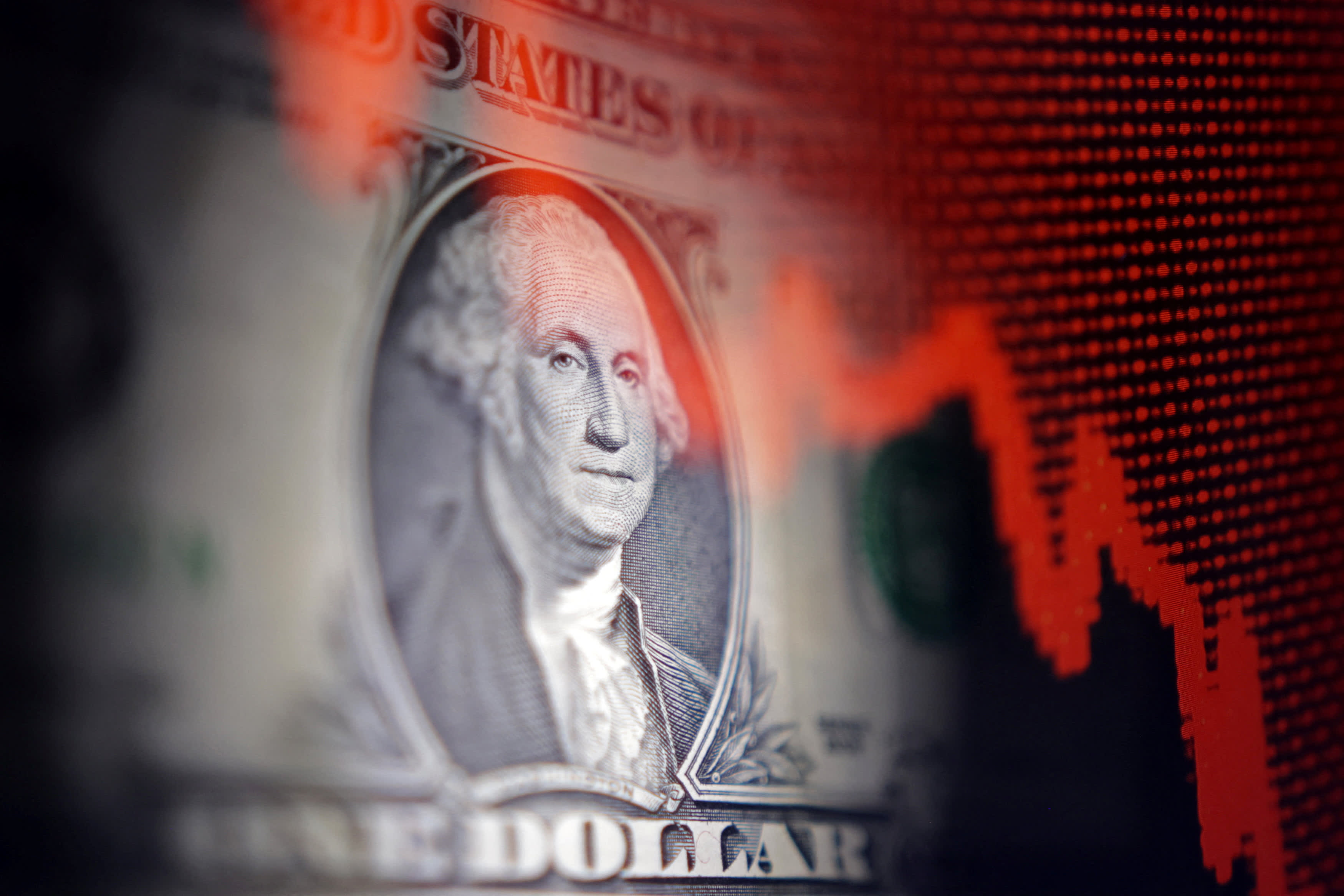
DXY Holds Above 100!
The US Dollar Index (DXY) remained above the 100.00 level in Asian trading on Monday, March 16, weakening to around 100.20 after hitting a nearly 10-month high of 100.54 in the previous session. This decline occurred as demand for safe-haven positions eased.
The dollar weakened following reports that US Energy Secretary Chris Wright expected the US-Israel conflict with Iran to end in the "next few weeks," a scenario the market interpreted as potentially reducing the risk of disruptions to energy flows and easing pressure on prices. As risk aversion eased, the US dollar lost momentum, though it remained higher on the session.
Oil price action remained a competing driver. WTI fell after opening with a gap higher, trading near $96.30 per barrel at the time of writing. However, crude oil risks remain two-way amid reports that US forces targeted an Iranian military site on Kharg Island over the weekend, a key hub that handles nearly 90% of Iran's oil exports. President Donald Trump said oil infrastructure was not hit, while Iran warned it could retaliate against US-linked oil facilities in the region.
Geopolitical focus has also shifted to the Strait of Hormuz. Trump has called on allies including the UK, France, China, and Japan to help secure the waterway, with reports suggesting a potential White House announcement in the coming days. Separately, European Union foreign ministers met in Brussels to discuss a possible naval response following what officials described as the effective closure of the Strait, although immediate deployment is considered unlikely.
Markets now turn to the US Federal Reserve's policy decision due on Wednesday. While no change in the policy rate is expected, traders will likely weigh the latest guidance for the remainder of the year against the inflationary implications of high energy prices. Key variables to monitor include the continued rise in crude oil prices, the latest developments in the Strait of Hormuz, and the Fed's emphasis on the risks of energy-driven inflation relative to the broader disinflationary trend.
Source: Newsmaker.id