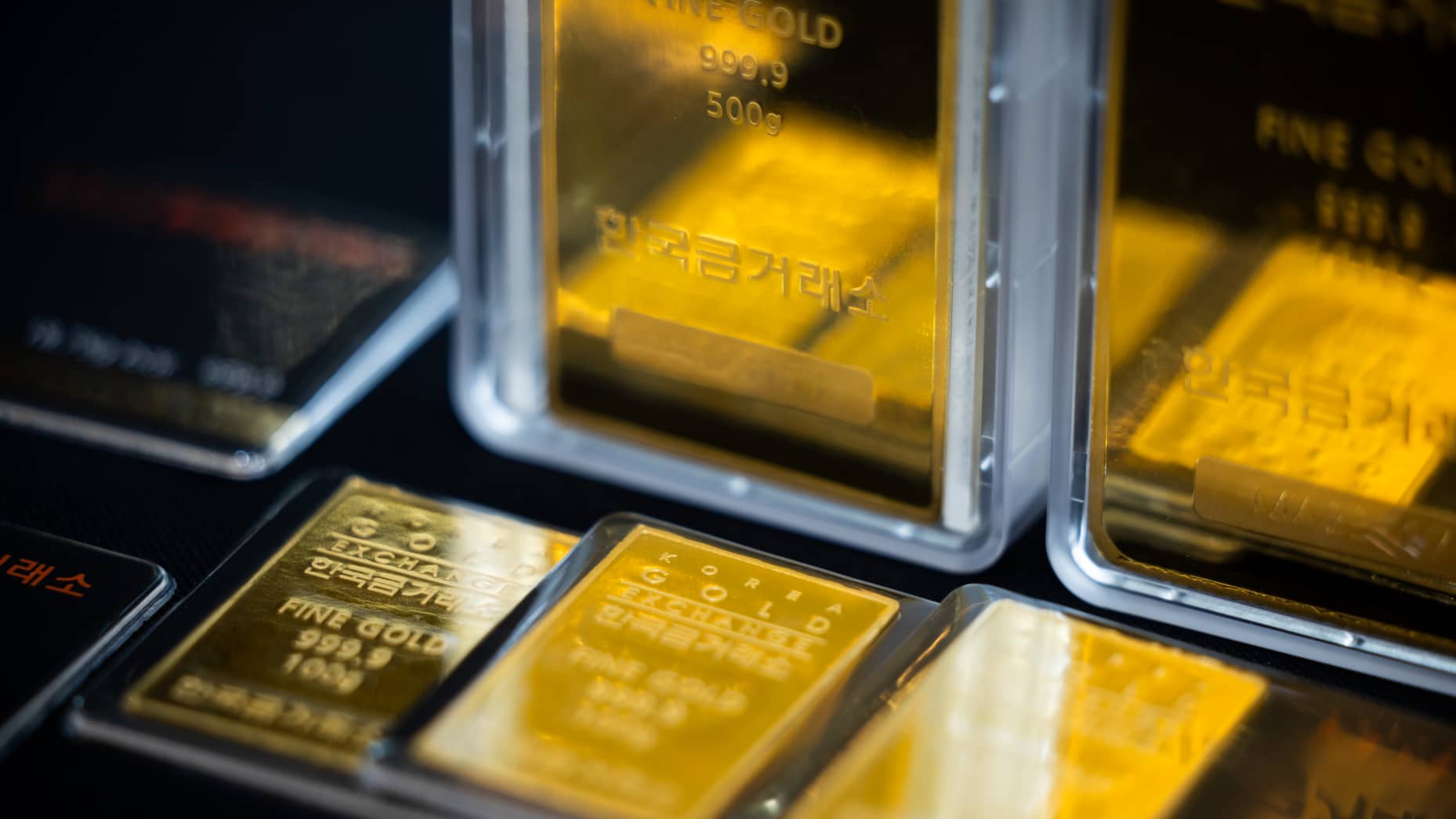
Gold Falls Below US$5,000: Here's the Explanation!
Gold prices fell below the psychological level of US$5,000 per ounce in early Asian trading, as the conflict in the Middle East, now in its third week, continues to drive global oil prices. Pressure on the precious metal emerged after attacks on critical energy infrastructure over the weekend sparked renewed concerns about global inflation.
Spot gold briefly weakened by around 1% to trade around US$4,986.34 per ounce in Singapore. This decline extended gold's weakening trend, having recorded a second consecutive weekly decline. At the same time, oil prices surged sharply after the United States' attack on Iran's main oil export hub was retaliated by Tehran's attacks on energy facilities in several Arab countries.
Rising energy prices have caused the market to reduce expectations for interest rate cuts by the Federal Reserve and other major central banks. This has negatively impacted gold, as higher interest rates tend to pressure non-yielding assets like precious metals. Market participants now see little chance of a rate cut at this week's Fed meeting.
On the other hand, the latest US economic data shows that consumer spending only increased slightly in January, while consumer sentiment fell to a three-month low. This indicates that economic pressures were already being felt even before the conflict escalated further. The market is also beginning to be wary of the risk of slowing growth amid persistently high inflation due to rising energy prices.
Although gold is under pressure in the short term due to rising yields and diminishing hopes for interest rate cuts, the medium-term outlook for the precious metal is not entirely bleak. If a prolonged conflict triggers stagflation, a combination of slowing growth and high inflation, gold still has the potential to regain traction as a hedge. This means that the current pressure could simply be a correction phase before the market returns to seeking refuge in safe-haven assets. (asd)
Source: Newsmaker.id