US-Iran Dialogue Begins, Hormuz Determines Next Steps!
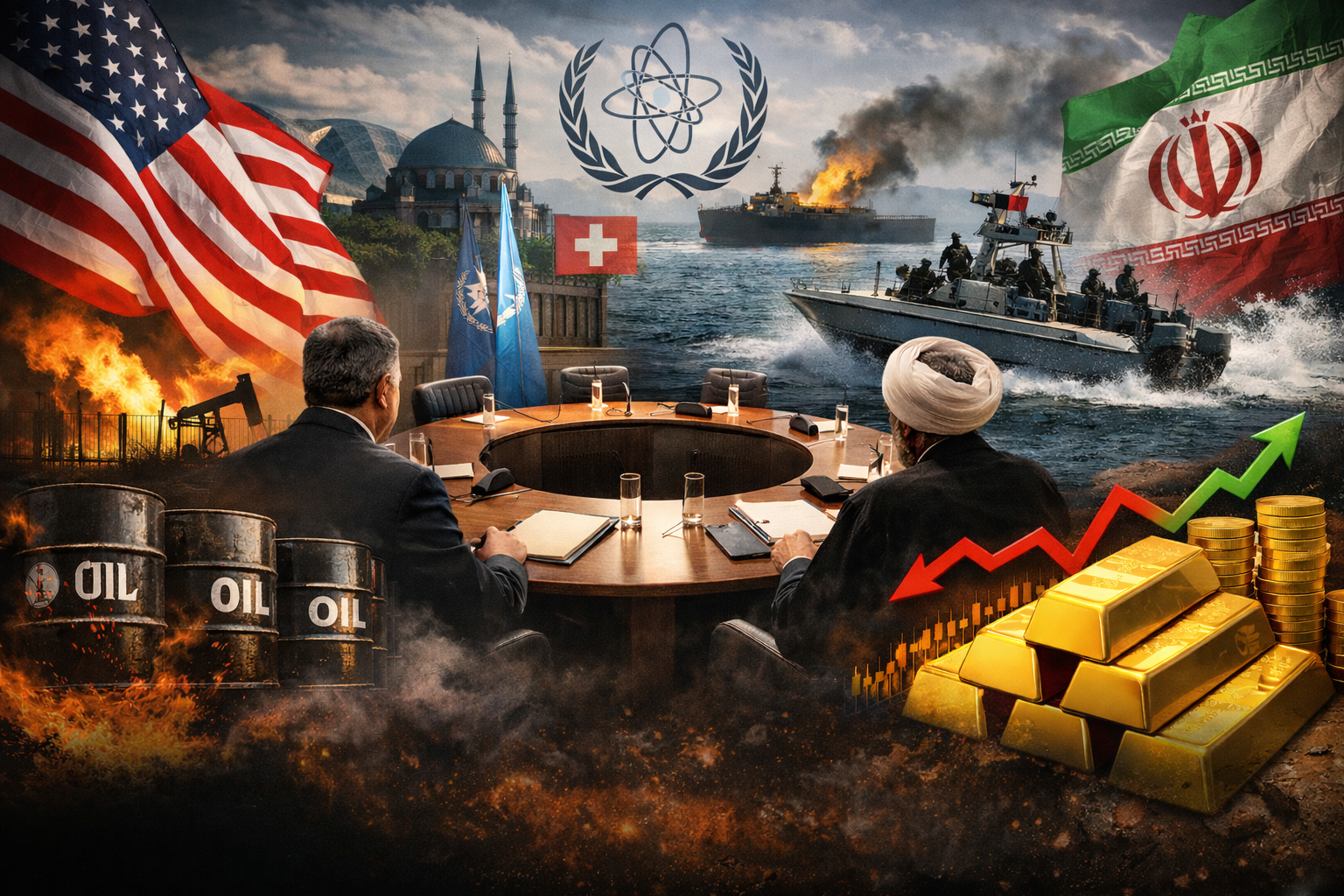
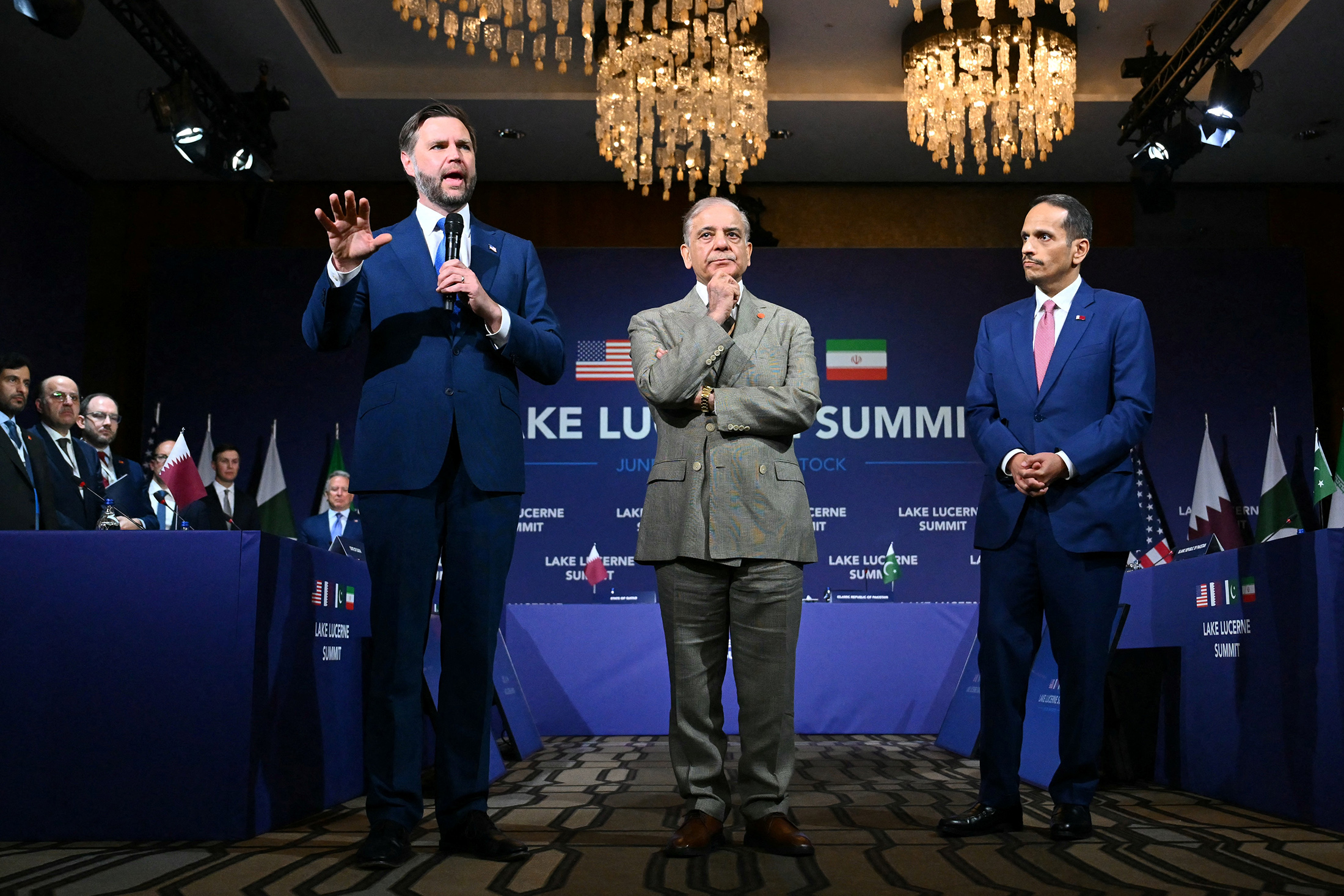
The United States and Iran began talks in Switzerland to seek a permanent peace agreement, including a resolution to Tehran's nuclear program and the full reopening of the Strait of Hormuz. The high-level meeting in Bürgenstock included representatives from the US, Iran, Qatar, and Pakistan, with US Vice President J.D. Vance and Iranian Foreign Minister Abbas Araghchi among the key participants.
The talks began under sensitive circumstances after US President Donald Trump renewed threats to attack Iran if Hezbollah continued its attacks on Israel. Iranian media initially reported that Tehran had halted talks due to the threats, but sources familiar with the negotiations said discussions continued into early Monday. Vance said the meeting marked the beginning of technical negotiations that would not immediately resolve all differences.
Key issues in the talks included mechanisms to ensure the Strait of Hormuz remains open, how to enforce the Israel-Hezbollah ceasefire in southern Lebanon, and discussions on US sanctions and frozen Iranian assets abroad. Under a memorandum signed last week, the US and Iran have 60 days to negotiate, with the possibility of an extension if needed.
The Strait of Hormuz remains a crucial chokepoint for energy markets. Iran had previously declared the waterway would be closed again, but millions of barrels of oil continued to flow through the weekend. Ship traffic data showed several supertankers loaded with Iraqi and Kuwaiti oil still managed to exit the Gulf of Oman, while US Central Command reported increased commercial vessel activity on Saturday, with more than 17 million barrels of oil passing through the strait.
For the market, the impact will depend largely on the progress of US-Iranian negotiations and the condition of the Strait of Hormuz. If talks improve, Hormuz remains open, and the Lebanon conflict subsides, oil prices could potentially fall back to the $75–$78 per barrel area as the supply risk premium diminishes. Gold could also hold back or weaken to the $4,100–$4,130 per ounce area as safe-haven demand declines, while the US dollar could remain supported if the market refocuses on the Fed's hawkish stance. Conversely, if negotiations fail, Iran tightens the Hormuz barrier, or the Israel-Hezbollah conflict escalates, oil could rise again to the $82–$85 per barrel area as the risk of supply disruptions is re-priced by the market. Gold could strengthen to the $4,200–$4,250 per ounce area as a hedge, although gains would remain capped by a strong dollar and expectations of high interest rates. For the dollar, an escalation scenario typically supports the greenback as a safe haven, especially against the yen and riskier currencies, while a peace scenario could trigger profit-taking if the geopolitical risk premium falls.
Lebanon is another key variable in this peace process. Iran views an end to the conflict in Lebanon as integral to a broader agreement, while Israel has asserted that it will not withdraw troops until it feels the Hezbollah threat has subsided. This situation makes the success of US-Iran negotiations dependent not only on Washington and Tehran, but also on the dynamics between Israel and Hezbollah, and the support of regional mediators.
The key developments are: US-Iran negotiations have begun in Switzerland, Trump's threats have made the diplomatic process more fragile, Hormuz remains key to stable energy supplies, the Israel-Hezbollah conflict could determine the deal's sustainability, and the oil market remains sensitive to any signs of disruption. The focus will now be on the outcome of the technical talks, compliance with the Lebanon ceasefire, shipping flows in Hormuz, and whether the US and Iran are capable of transforming the interim agreement into a permanent one. (asd)*
Source: Newsmaker.id