Hang Seng Falls, Tech Stocks Under Pressure
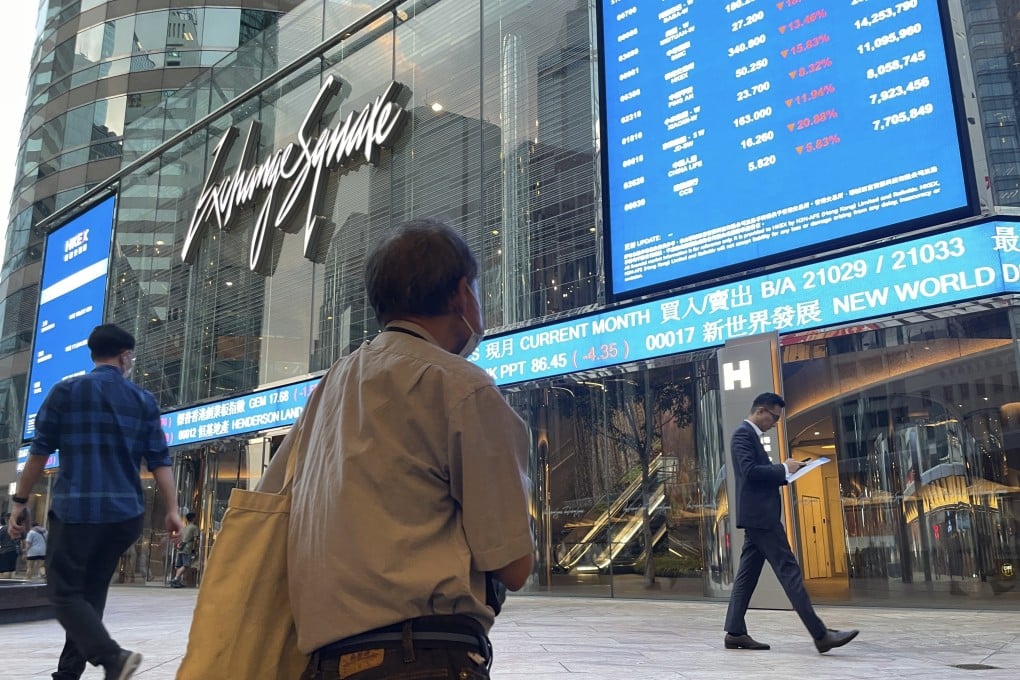
The Hang Seng Index fell sharply on Monday (June 22), extending its decline to four consecutive sessions. The index fell 460 points, or 1.9%, to 23,468, hitting its lowest level since June 2025.
The main pressure came from worsening global risk sentiment after Middle East tensions escalated. US President Donald Trump threatened new attacks on Iran, raising market doubts about the continuation of peace negotiations between Washington and Tehran.
Concerns also grew over potential disruptions to shipping through the Strait of Hormuz. This route is crucial for global energy supplies, so any risk of closure or disruption could immediately push oil prices higher.
Rising oil prices heightened inflation concerns and pressured global stock markets. For the Hong Kong stock exchange, this pressure was even greater as investors were also monitoring the prospect of higher US interest rates for a longer period after the Federal Reserve signaled a hawkish stance.
Technology and growth stocks are among the sectors most sensitive to high interest rate expectations. When yields remain high, growth stock valuations tend to be under pressure because future cash flows are discounted at higher interest rates.
The Hang Seng's decline was broad-based, led by the financial, manufacturing, and consumer sectors. Several large stocks also suffered, including Tencent (down 1.4%), Xiaomi (down 3.5%), Meituan (down 2.0%), Lenovo (down 0.8%), and AIA (down 1.4%).
The five key factors behind this movement were the Hang Seng falling to a one-year low, US-Iran tensions stifling risk appetite, Hormuz risks pushing oil prices higher, the Fed's hawkish stance weighing on technology stocks, and broad-based weakness in large-cap stocks. The focus will now be on developments in US-Iran negotiations, the direction of oil prices, the Fed's signals, and investor response to Chinese technology stocks. (asd)
Source: Newsmaker.id