
Trending
Nikkei
Source: Newsmaker.id
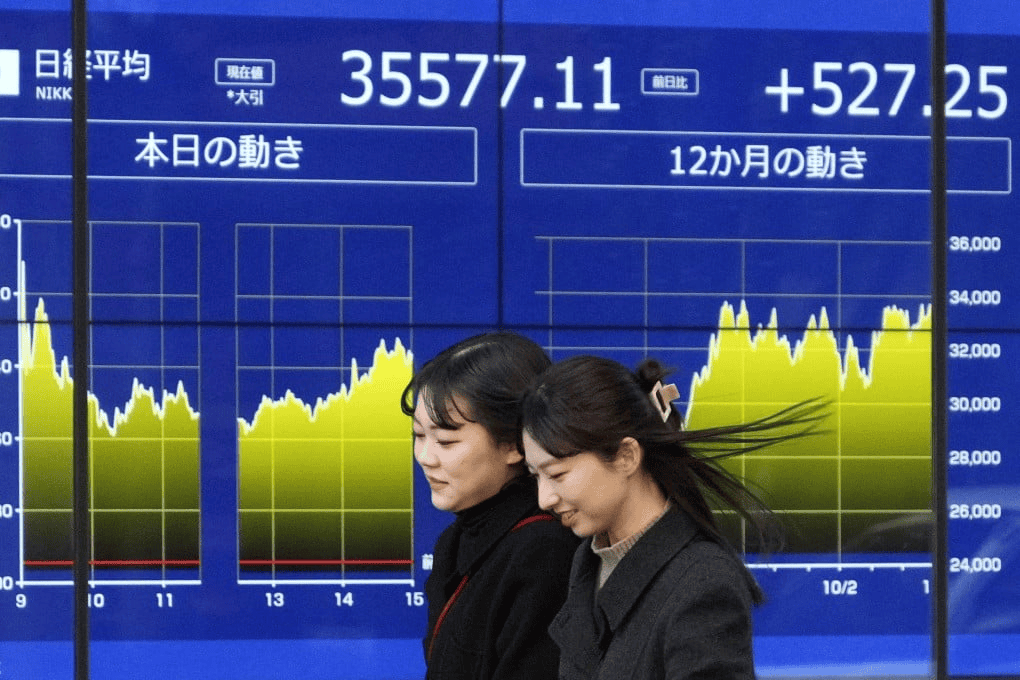
Japan’s Nikkei 225 index weakened again in trading on Thursday (October 22, 2026), falling 0.4% to around 64,350 points, following a period of gains fueled by optimism surrounding the technology and artificial intelligence (AI) sectors. This decline comes as the momentum behind the tech-stock rally wanes, compounded by a drop in U.S. stock futures following mixed financial results from several major Wall Street firms. Investors are beginning to question whether massive investments in AI technology development will yield revenue and profits commensurate with the high costs incurred by these companies.
Selling pressure hit Japanese tech stocks particularly hard: Tokyo Electron slumped 3.7%, Fujikura fell 2.8%, and Ibiden weakened by 2.6%. Meanwhile, Kioxia Holdings saw a correction of 0.9%, and SoftBank Group shed 0.7%. These declines reflect growing investor caution regarding the outlook for the semiconductor and technology industries following the recent rally. While demand for AI infrastructure remains a source of market optimism, concerns over stock valuations and the ability of companies to generate profit are beginning to dampen investor appetite.
Separately, a rise in global oil prices—triggered by a deadly attack on energy facilities in Saudi Arabia—has further weighed on sentiment in the Japanese market. Geopolitical tensions in the Middle East have reignited concerns regarding potential disruptions to energy supplies and the risk of global inflation. Japan is particularly vulnerable to rising oil prices due to its heavy reliance on energy imports from the Middle East. Should oil prices continue to climb, Japanese companies could face higher production and operational costs, which would squeeze their profit margins. Investors are now closely monitoring developments in the Middle East conflict, oil price movements, and the financial reports of global technology companies to determine the future direction of the Nikkei.